


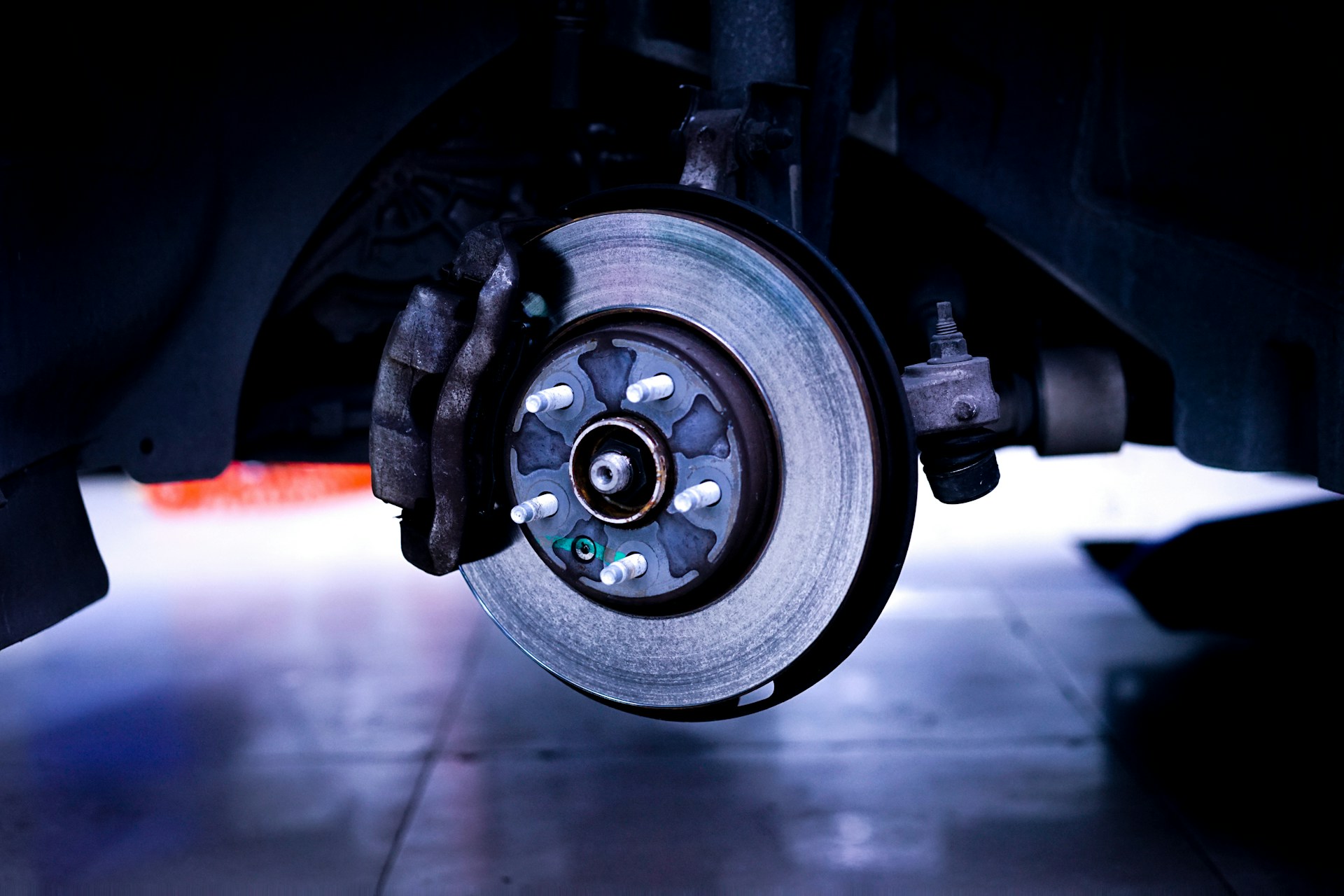
Winter weather in Long Island reshapes the way we drive. Roads get slick, traffic slows down, and every stop feels more important than it does in warmer seasons. While it’s easy to focus on tires or heaters, our brake pads do a lot of the heavy lifting during winter months.
We get asked often about what to expect from Toyota brake pads in Long Island during this part of the year. The answer depends on several things, like how often you’re stopping, how much road salt is getting kicked up under your car, and whether your brake pads were already getting low before the temperatures dropped.
If your daily routine includes neighborhood stop signs, traffic lights on Montauk Highway, or uphill spots heading into town, your brakes are working harder than you think. Knowing what to look for, and how local weather plays into brake performance, can help you avoid surprises mid-season.
Signs Your Toyota Brake Pads Might Be Wearing Out
Brake pads don’t usually fail all at once. More often, they show little signs that something’s off. The sooner we notice them, the easier it is to avoid bigger problems.
Here are a few things we encourage drivers to pay attention to:
- A sharp squeak when you press the pedal, this could mean the built-in wear indicators are doing their job
- A grinding sound, especially at low speeds, that might point to worn-out pads cutting into the rotors
- A soft or spongy brake pedal, you’re pressing down, but the car’s not slowing the way it should
- Longer stopping distances, or needing more time and space to come to a full stop
Colder temperatures can make these signs more obvious. Frozen moisture around brake components and slower response times from worn parts combine to reduce control. That is why winter has a way of bringing small issues to the surface. If any of these signs show up more than once, it is a good idea not to wait.
How Local Weather Impacts Brake Pads in Winter
Long Island winters are unpredictable. One day it’s cold and dry, the next it’s snowing or raining. That changing weather isn’t easy on brake components. Over time, exposure to road salt, moisture, and rising and falling temperatures starts to wear things down.
- Salt can sneak into tight spaces around your brake pads and calipers, causing things to stick or corrode
- Moisture builds up overnight and freezes, especially if the car sits outside
- Repeated freeze-thaw cycles lead to surface rust on brake parts, especially the rotors
Colder air also changes the way friction works. Less friction means less stopping power, which puts stress on worn brake pads. When pads are already thin, they don’t respond as quickly, especially on icy streets. That split-second delay makes a big difference when roads are slick or when you need to stop short during winter traffic.
How Long Island Roads Affect Brake Wear
Even when the skies are clear, winter in West Islip has its own effects on your brakes. The kind of driving we do around Suffolk County plays just as big a part as the weather itself.
- Stop-and-go traffic in town causes short bursts of braking, which adds up over the course of a week
- Hilly roads in places like Islip Terrace or along quiet back roads mean you’re braking more on downhill stretches
- Sand, gravel, and leftover salt on the roadway grind directly against the pads and rotors
In winter, road crews spread materials to give tires extra grip. While helpful, some of that grit gets pulled into the wheel area where it can wear brake surfaces faster than usual. So even if you’re not driving far, the road conditions in winter still take their toll just from buildup and frequent stops.
What to Expect From Winter Brake Maintenance
Brake maintenance doesn’t always mean you’re replacing parts. In winter, it’s more about keeping an eye on the early signs and staying ahead of damage. A good inspection will look at the entire system, not just the pads.
Here’s what that usually includes:
- Measuring brake pad thickness and checking for uneven wear
- Inspecting rotors for scoring or rust buildup
- Looking at brake lines for signs of wear, leaks, or cracks
- Confirming that the calipers move freely and aren’t sticking
When pads wear unevenly, one side of the car can stop faster than the other, especially when it’s wet out. Letting those issues go too long can lead to harsher stops or noticeable pulling when you brake. Keeping up with this kind of check in winter gives you a chance to catch problems while they’re still minor and before a worn pad starts affecting the entire braking system.
Reliable Brake Services for West Islip Drivers
Brake safety isn’t something to let slide in any season, but winter calls for a little more attention. Every stop matters when roads are wet, snowy, or packed with holiday traffic. Each time you press the pedal, healthy brake pads give you better grip, more control, and peace of mind.
At Atlantic Toyota’s certified service center, factory-trained technicians use genuine Toyota brake pads designed to fit your specific model and perform reliably throughout the season. Taking advantage of rotating service specials makes it easy to have your brakes inspected or replaced without hassle, and service appointments can be set up quickly online.
Toyota brake pads in Long Island go through a lot once January arrives. A few simple checks and timely service can keep things smooth, even when the weather isn’t. Staying safe on the road starts with knowing what feels right, and being ready to act when something doesn’t.
As winter approaches in West Islip, the cold, road salt, and frequent stops can wear down your brakes faster than you expect. Staying ahead of maintenance is important for your safety and comfort, and at Atlantic Toyota, we’re here to help you keep your vehicle in top shape. To see how we handle maintenance for things like Toyota brake pads in Long Island, contact our team and schedule your service today.
Connect with us

Recent Blog Entries
- Why Toyota Fuel System Service in Long Island Gets More Important in Spring
- What Toyota Wiper Blades in Long Island Do for Rainy Spring Days
- Spring Ready Toyota Air Filter Replacement in Long Island Explained
- Choosing Toyota Floor Mats in Long Island for Wet and Muddy Seasons
- Why Toyota Oil Filters in Long Island Matter for Early Spring Engines