


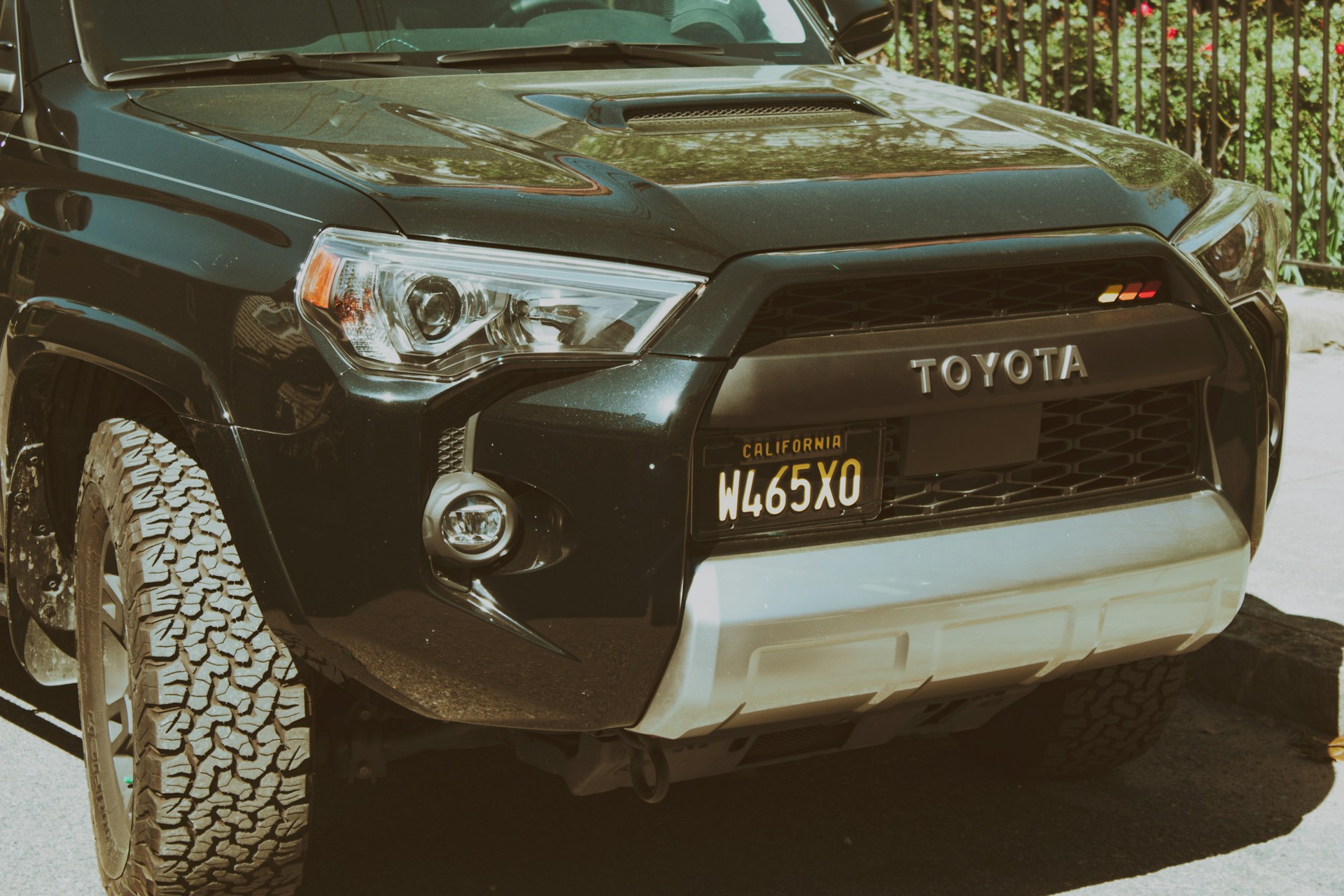
Winter doesn’t wait for anyone, and it can be tough on vehicles, especially here in West Islip, where icy mornings, salty roads, and short trips are part of daily life from December into March. Cold temperatures take a toll on parts like hoses and belts, even in newer Toyotas. These parts may not seem like a big deal until one of them fails at the worst time, like right before work or during a weekend trip.
When we look under the hood during January service checks, we often find wear that drivers weren’t aware of. Freezing temps can speed up that wear quickly. Toyota belts and hoses in Long Island face lots of pressure each winter, thanks to the mix of road conditions and rough weather. Knowing what to watch for and when to act can save you from being stuck out in the cold.
How Winter Impacts Belts and Hoses
Cold air affects rubber more than many people realize. Even though these parts are made to handle heat and motion, winter adds stress in ways that are easy to overlook.
- When the temperature drops, rubber gets stiff and tight. Over time, that makes it easier for cracks to form. Once a belt or hose is dry and brittle, it may snap or leak without much warning.
- Rubber belts don’t grip as well in the cold. If the belt slips around the pulleys, it might make noise or lead to engine parts not working like they should.
- Heating your car up on a cold morning creates fast, sharp changes in temperature inside the engine. Going from frozen to hot and back again puts strain on belts and hoses, wearing them down faster than in warmer months.
Once damage sets in, it usually spreads. A small crack in a hose today might be a full coolant leak during next week’s snowstorm.
Warning Signs of Wear During Cold Months
Some early warning signs of belt or hose trouble are easy to miss, especially if you’re in a rush or your car still runs without much noise. But catching those early can make a big difference before deeper cold sets in.
- If you turn the key and hear chirping or squealing, that could mean a loose or slick belt
- Popping the hood and spotting cracks, shiny spots, or bulging areas in the belts or hoses is reason to get them checked
- An engine that runs unusually hot during a short drive or shows a temperature warning light could be a sign of poor coolant flow
- Any sweet or chemical-type smell while the car is running might point to leaking coolant or a belt that’s starting to overheat and break down
We always recommend paying attention to any new sounds or smells. Even something small now can grow into a full breakdown if it’s not handled early, especially once temps drop into the teens or lower.
Why Long Island Conditions Make it Worse
Living and driving on Long Island in winter isn’t the same as seasonal driving in other places. Between coast winds, road treatments, and packed traffic patterns, conditions here work against aging vehicle parts a little more aggressively.
- Snowplows and salt trucks leave behind a gritty mess. That salt and sand mix gets kicked up from other cars and sticks to components under your hood. When it sits, it can speed up rust and dry out rubber parts faster than usual.
- Traffic doesn’t let up just because it’s snowing. Stop-and-go driving in low temperatures often causes belts to heat up quickly, then cool back down again, which adds wear over time.
- Leaving your car outside or parked on the street overnight means exposure to a full freeze that lasts longer. When warm sun melts daytime snow and it refreezes overnight, the ice can creep into belt areas or sit near clamps and cause pressure shifts on hoses.
These small things may not be obvious, but they stack up. Cold starts and repeat exposure do more than just slow things down, they speed up the wear inside your engine bay.
Timing Matters: Preventing Breakdowns Before It’s Too Late
By the middle of January, winter is in full swing, but it’s still early enough to stay ahead of the worst damage. This time of year is key for checking parts before deeper freezes or another snowstorm catch up with you.
- Belts and hoses may seem fine during everyday drives, but damage often stays hidden until a cold snap strikes. A quick probe now gives time to order or replace parts without emergency rush
- Cold starts don’t let the engine run long enough to notice slow wear. Short trips don’t heat the engine like a longer drive. That means problems might stay hidden until a piece fails outright
- If a belt snaps or a hose leaks on a freezing day, the situation gets worse fast. It isn’t just an engine problem, it can leave you without reliable heat or completely stranded in unsafe conditions
Getting ahead of these issues, even by just a couple weeks, builds peace of mind into the rest of your winter driving.
Stay Ahead of Cold Season Repairs
Toyota belts and hoses in Long Island don’t get an easy deal during winter. Between salt exposure, freezing nights, and the short, repetitive use common around town, these parts wear out faster than they would during spring or summer.
The best chance to avoid the stress that comes with a midwinter breakdown is listening to your car early. Any odd noise or smell, any jump in engine heat, or a belt that looks glazed or cracked should be taken seriously.
In January, there’s still time to fix things before cold weather pushes parts past their limit. Catching weak spots now means more reliable starts and safer trips later in the season. It may seem small, but watching over your belts and hoses helps your car handle winter the way it should, without surprises.
After driving on salt-covered roads and chilly morning starts, your Toyota could use a little extra care to make sure everything stays reliable through the rest of winter. Cold weather can cause belts to loosen or crack and hoses to shrink or develop leaks, turning small issues into bigger headaches. For peace of mind, schedule a quick inspection with us or ask about replacing your Toyota belts and hoses in Long Island. At Atlantic Toyota, we’re dedicated to helping you avoid winter troubles before they impact your drive.
Connect with us

Recent Blog Entries
- Why Toyota Fuel System Service in Long Island Gets More Important in Spring
- What Toyota Wiper Blades in Long Island Do for Rainy Spring Days
- Spring Ready Toyota Air Filter Replacement in Long Island Explained
- Choosing Toyota Floor Mats in Long Island for Wet and Muddy Seasons
- Why Toyota Oil Filters in Long Island Matter for Early Spring Engines