


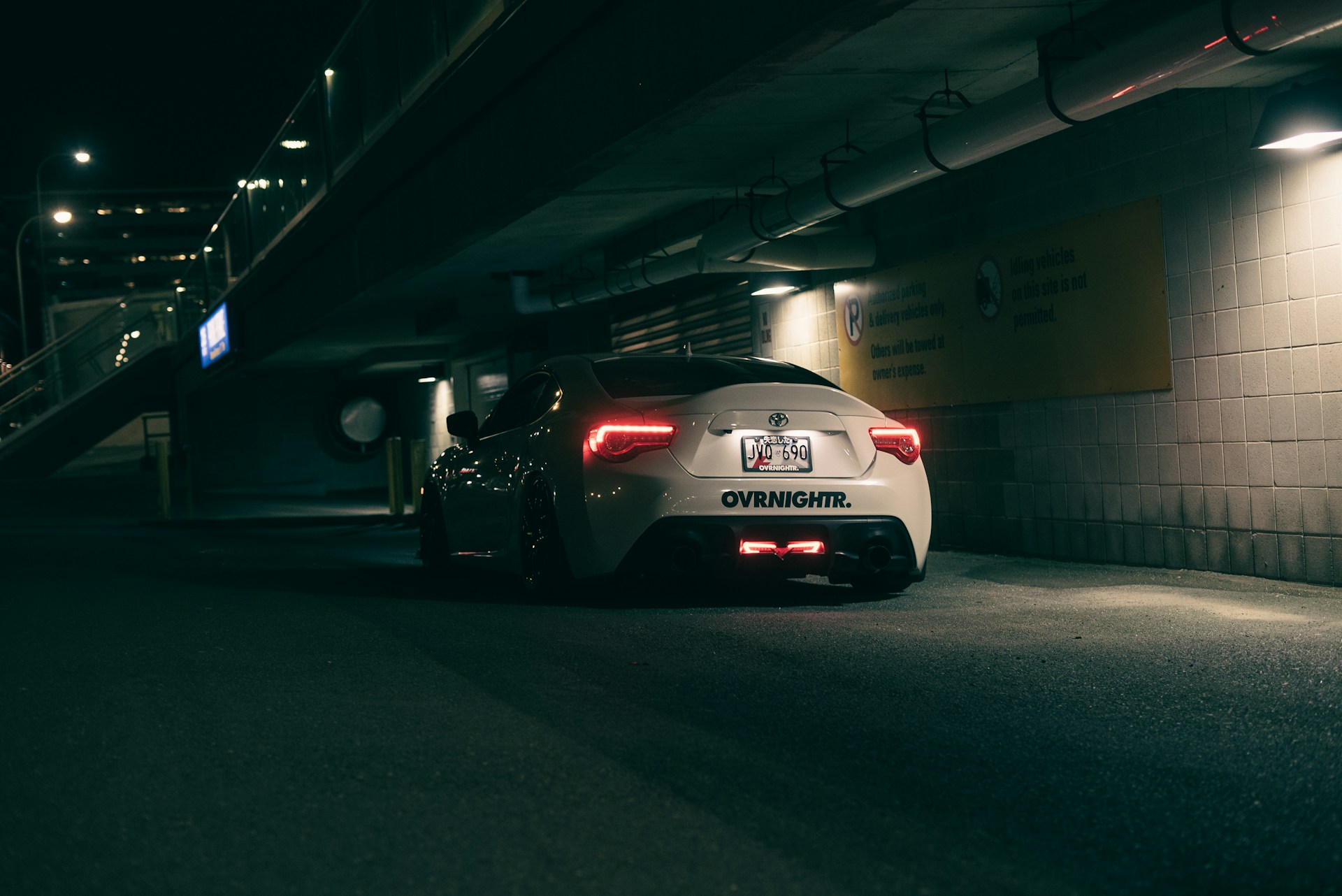
Winter roads in Long Island demand more from both drivers and their vehicles. Between short daylight hours, freezing temps, and snowy conditions, something as simple as rear lighting plays a much bigger role than it does during the warmer months. Toyota taillights in Long Island are more than a design feature. They help other drivers see us clearly, react faster, and drive safer when visibility drops.
As we head into the heart of winter, this is a good time to think beyond snow tires and heaters. The condition, brightness, and function of our taillights could make all the difference during a sudden stop or a foggy morning drive along Sunrise Highway. Here is what to know and what to look for.
The Role of Taillights on Dark, Slippery Roads
Once the sun sets before dinner and snow starts sticking, taillights shift from background detail to active safety support. They are the primary way cars behind us know we are there, slowing down, or stopped. Without strong taillight visibility, it gets harder for other drivers to keep the right distance, especially on slick roads.
- Fog, sleet, and road salt can blur lights, making it harder for others to judge how far away we are
- Strong taillight brightness helps drivers behind react faster when stopping is needed
- Wide lens coverage and brighter rear lighting can reduce the chance of a rear-end collision on icy streets
Even if headlights get most of the attention, taillights are doing just as much work from the back of the vehicle. On those dark morning commutes or during surprise flurries, they are often the only alert system other drivers have.
Winter’s unpredictable weather also means that visibility changes quickly. One moment, roads can be fairly clear, but a sudden burst of snow or a drop in temperature can instantly lower how far you can see. Taillights are your best friend in these moments, signaling your presence to every driver approaching from behind. Their effectiveness increases as outside conditions worsen, making them a central part of your car’s safety system over the winter.
Why Taillight Function Becomes More Important in Winter
In Long Island, winter can bring black ice, stalled traffic, or frozen intersections without much warning. That is when working taillights really start to matter. A missed signal or dim brake light can throw off the timing for the car behind, especially when lanes are tight or grip is low.
- Sudden stops happen more often during snowy commutes, and clear taillights help everyone stay alert
- When traffic is dense, whether near schools or mall parking lots, early signals reduce surprises
- Since the sun sets earlier in winter, taillights see more use during key driving hours like morning drop-offs or evening errands
We cannot always control what happens on the road, but working taillights give us a small piece of control during tough driving windows.
Holiday shopping and local school events in the winter also lead to more stop-and-go traffic during darker hours. Drivers may not expect a vehicle to stop suddenly at a crosswalk or traffic light, especially when road conditions are slick or snow piles create new obstacles. At times like these, your taillights send a clear message, buying precious seconds for other drivers to notice, slow down, and stop safely.
How Weather Affects Taillight Visibility and Performance
Cold snaps and plow trucks are not just hard on roadways. They also take a toll on the parts of our cars that sit exposed to the elements. Rear lights, wires, and bulbs can run into bigger problems in winter, especially after a heavy snow or temperature drop.
- Snow and slush can coat taillight lenses, blocking the light from shining as clearly
- Salt and road grime can scratch or wear down plastic covers over time
- Colder weather can shorten bulb life and even affect certain electronic parts tied to lighting
Taking just a few seconds to check whether the rear lighting is blocked or working after a storm can help avoid slower reaction times from the car behind, or the sound of a sudden tap on the bumper.
Even modern taillight systems can be affected by moisture and fluctuating temperatures. When water gets into a cracked lens or when condensation forms inside, it can scatter the light or weaken electronics. Over time, road debris kicked up from tires can scuff the surface of the lens, reducing its original shine. Occasional washing and careful snow removal can help rear lights stay as bright as possible, even through the roughest parts of winter.
Signs Your Taillights May Need Attention
Most drivers do not check their taillights that often. We do not usually notice a dim bulb until someone honks or we spot the reflection in a storefront. But a bit of awareness during winter can go a long way.
- When one light looks dimmer than the other, or goes out altogether, it is time for a closer look
- If lights flicker slightly when turning on or off, that might point to wiring problems or corrosion
- Condensation trapped inside the lens could mean a crack in the housing, which can worsen in freezing weather
When daylight is short and storms move in fast, it is helpful to make taillight checks part of the same routine as warming up the engine or brushing off ice. A quick visual scan may prevent bigger issues later on.
Besides basic brightness, color changes and timing are also warning signs. If your taillight starts to look more orange or pink, it might not be producing the right amount or type of light for safe driving. Small delays after applying the brakes can point to aging bulbs or connections. No driver wants to learn their lights are out during a heavy snow or right after a quick stop on a slippery road.
Local Driving Habits and Long Island Road Conditions
Winter traffic in West Islip and across Long Island does not slow down just because the snow starts falling. Whether you are taking the kids to school, stopping at the grocery store, or heading down the parkway, taillights become a lifeline during crowded hours.
- Roads like Route 231 or Montauk Highway can be packed during the holidays, with lots of start-and-stop movement
- School zones and residential side streets demand tight attention, especially during pick-up and drop-off
- Merging lanes and exits near malls or busy intersections ask drivers to brake and change speeds quickly
Toyota taillights in Long Island weather carry an extra job, keeping everyone behind us informed and reactive when the road gets busy, dark, or slippery. They are part of the rhythm of safe winter driving from parking lots to expressways.
Changeable road conditions in Long Island can introduce unexpected hazards. Plowed roads might leave behind icy spots, while melting snow during the day can freeze again at night. These shifts make strong taillights even more important for everyone’s safety, helping to prevent misunderstandings or sudden stops as conditions change throughout the day.
At Atlantic Toyota in West Islip, we offer genuine Toyota taillight replacements and full lighting inspections. Our certified technicians check fit, bulb brightness, and electrical connections to assure every trip is safer, whether you are driving through evening snow or leaving for sunrise commutes.
Safer Roads Start With a Clearer Rear View
Winter does not give us many second chances, especially when it comes to safe stopping distances and low visibility. Taillights are often overlooked, but they make a difference the moment conditions turn cold or roads get crowded.
Good taillight function is not just about passing inspection. It is about helping all of us stay in sync on slick, shadowy streets. When rear lights are bright, working, and clean, they give drivers behind more time to react, and that is one more step toward a safer ride.
Winter roads in West Islip can be challenging, and reliable rear lights make a big difference in ensuring your safety and peace of mind. Staying visible with proper lighting helps prevent accidents, especially during icy conditions or early evening traffic. Explore options that fit your needs by browsing our Toyota taillights in Long Island. For any questions or support, our team at Atlantic Toyota is always here to help.
Connect with us

Recent Blog Entries
- Why Toyota Accessories in Long Island Matter for Spring Events
- Toyota Zero Down Lease in Long Island What You Should Know for Spring
- Getting the Most From Toyota Fuel System Service in Long Island This Spring
- Early Spring Boosts Toyota New Inventory in Long Island
- Why Toyota Alternators in Long Island Need Spring Attention