


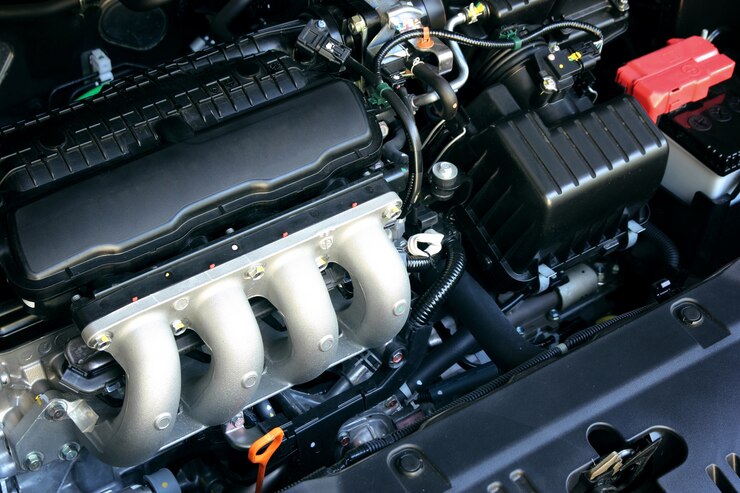
Your Toyota’s radiator plays a key role in ensuring your vehicle stays cool and runs efficiently. Acting like the vehicle’s cooling system backbone, the radiator dissipates the heat generated by the engine, preventing it from overheating and potentially causing severe damage. Without a reliable, functioning radiator, your Toyota could face frequent breakdowns and premature wear and tear. Understanding the telltale signs of a radiator that’s seen better days can help catch issues early, keeping you on the road and avoiding costly repairs.
A few common problems can arise when a radiator begins to fail. These issues affect not only your driving comfort but also the car’s performance and safety. Knowing the early signs that indicate your radiator might need a replacement lets you address potential problems before they become major troubles. In West Islip’s varied climate, whether you’re commuting through the rain or basking in summer heat, having an efficient radiator is vital to keep your journeys smooth and worry-free.
Overheating Issues
One of the most obvious and alarming signs of a faulty radiator is frequent overheating. If you find yourself having to leave the hood open to cool the car down regularly, it is time to take notice. Here’s how a malfunctioning radiator could cause overheating:
- Poor Heat Dissipation: A blockage or deposit buildup in the radiator can hinder its ability to dissipate heat effectively. This results in an accumulation of heat which you will often notice first when the temperature gauge heads towards the red zone.
- Faulty Thermostat: Sometimes, the issue isn’t just with the radiator but with the thermostat, which regulates the coolant flow. If it’s stuck closed, it may prevent proper circulation, causing the engine temperature to rise.
If you’re noticing your engine frequently running hot, it’s more than just an inconvenience. Overheating can lead to severe damage, negatively impacting engine parts. For example, continuous high temperatures can warp or crack the cylinder head, resulting in a costly head gasket fix. Therefore, if you have ever found yourself pulled over to the roadside to let your Toyota cool down, it would be wise to have a professional look at your radiator and other cooling system components.
Coolant Leaks
Another sign pointing to a radiator malfunction is coolant leaks. If you’ve ever noticed green, orange, or pink puddles forming under your car, it’s likely the coolant escaping from the system. This can happen when the radiator’s seals and hoses start to wear out or crack, allowing the coolant—an essential part of your engine’s cooling system—to leak away.
- Puddles Under the Car: Brightly colored puddles are a clear indicator that something is amiss.
- Low Coolant Levels: You may notice your coolant levels dropping frequently without apparent cause.
When coolant keeps leaking, the engine won’t cool properly, increasing the risk of overheating. It’s similar to trying to cool off on a hot day without enough water—the system just can’t function optimally. So, if you spot those telltale puddles, it’s time to have a thorough check-up to pinpoint the source of the leak.
Discolored or Contaminated Coolant
Monitoring the appearance of the coolant itself can reveal issues too. Fresh coolant is typically bright and vibrant, making it easy to spot in the reservoir. But when the coolant turns rusty or has a milky color, it’s often a sign of contamination. This usually means that rust or deposits have mixed with the coolant, possibly due to internal corrosion of the radiator.
- Rusty Coolant: Indicates internal radiator deterioration.
- Milky Coolant: Suggests a potential mixing of fluids, which should be checked immediately.
Using discolored or contaminated coolant can lead to poor heat transfer, reducing the radiator’s effectiveness. It’s akin to trying to put out a fire with dirty water—it’s simply not going to work well. Keep a simple schedule of checking the coolant condition to catch any changes early on.
Frequent Low Coolant Levels
If you’re frequently topping up your coolant, there’s a good chance the radiator isn’t working well. Regular drops in coolant levels, without a visible leak, might indicate a deeper issue. Perhaps there’s a small, hard-to-see leak or another issue causing this loss.
Sometimes, constantly adding coolant can seem like a minor inconvenience, but it’s actually a red flag that shouldn’t be ignored. Much like ignoring a dripping faucet, small issues can quickly grow into more costly problems if not addressed early on.
Bringing It All Together
Meeting radiator maintenance needs head-on keeps your Toyota running in top shape. From spotting overheating symptoms to recognizing coolant leaks and changes in fluid color, each sign speaks to potential radiator troubles. Addressing these promptly ensures you avoid more significant, costlier repairs.
Taking a proactive approach to these issues means your vehicle stays reliable on the roads of Long Island. Whether it’s a regular check-up or seeking professional help for any of the signs mentioned, keeping your radiator and, therefore, your Toyota healthy leads to a much smoother driving experience. It’s about staying ahead and ensuring long-lasting performance and safety for your vehicle.
Ensuring your Toyota’s radiator functions effectively can mean the difference between a smooth drive and unexpected breakdowns. If you suspect any issues with your cooling system, it’s wise to address them before they escalate. For those living in Long Island, getting professional support tailored for Toyota radiators is crucial. Schedule your service with Atlantic Toyota today and gain peace of mind knowing your vehicle is in expert hands. For more information on services and appointments, explore our section on Toyota radiators in Long Island and let us help keep your engine cool and running efficiently
Connect with us

Recent Blog Entries
- Is Now the Time for Toyota Electric Vehicles in Long Island?
- Understanding Toyota Radiators in Long Island for Winter Driving
- When to Book Toyota Battery Replacement in Long Island in Cold Weather
- Choosing Certified Pre-Owned Toyota in Long Island for Peace of Mind
- Cold Weather Warnings: Why Toyota Starters in Long Island Sometimes Fail