


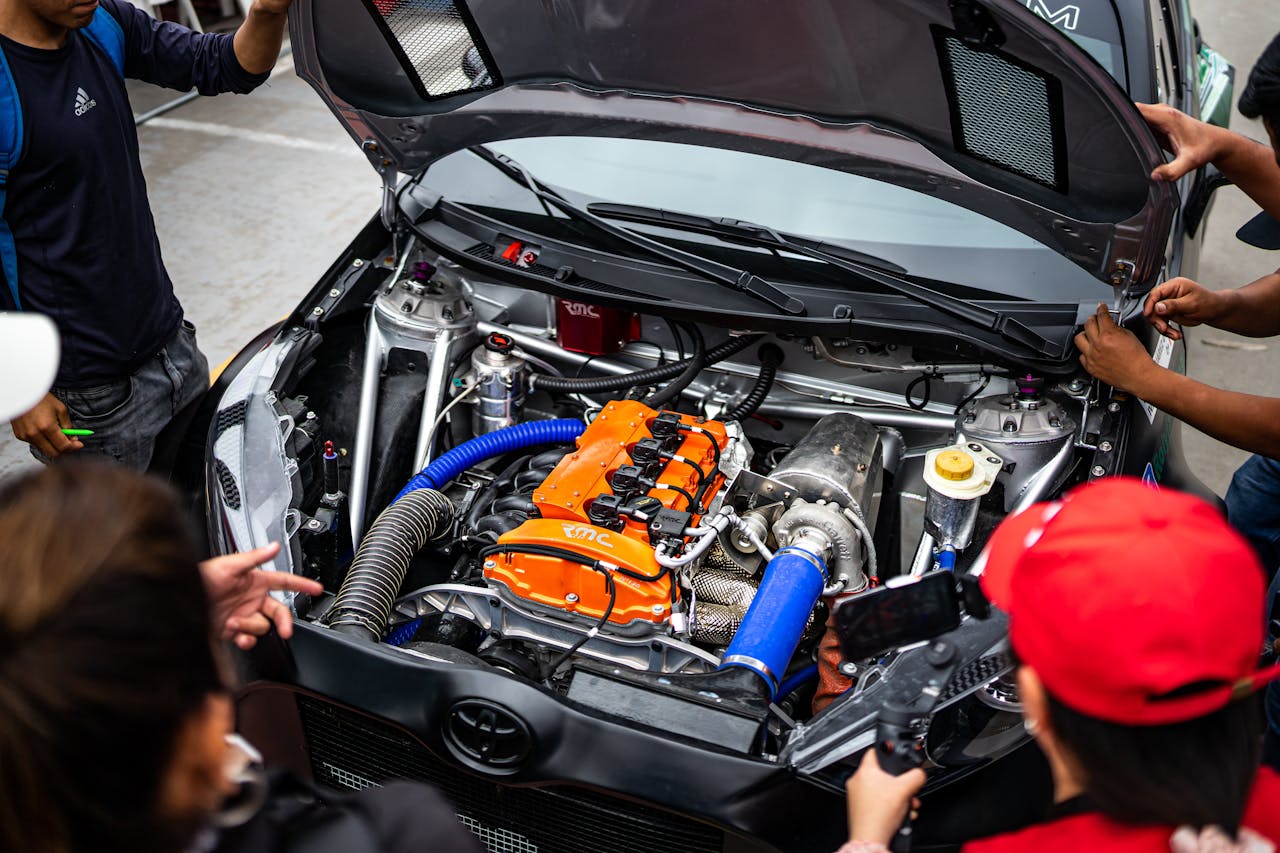
Your Toyota’s radiator is like the unsung hero of your car, diligently keeping things cool so that your engine can run smoothly. When it falters, though, you’re likely to come face-to-face with some serious car troubles. Radiators are essential in maintaining the right temperature balance within your vehicle. Without them, you’d experience overheating, especially during those long drives or while caught in heavy traffic. Knowing the early warning signs of radiator issues can save you a lot of trouble and expense down the road.
Imagine you’re in the middle of an afternoon drive through West Islip, and suddenly your temperature gauge starts creeping into the red zone. Sounds stressful, right? Recognizing and understanding the common signs of radiator troubles could allow you to take preventive action before it’s too late. Let’s dig into the common symptoms and find out why they matter, so you can keep your Toyota running like a charm.
Common Signs of Radiator Problems
Spotting radiator issues early on can help you avoid a full-blown breakdown. Here are some of the most noticeable signs of trouble:
- Overheating Engine: This is probably the most obvious and alarming sign. When your engine overheats, it’s a signal that something is preventing your radiator from doing its job. If you notice the temperature gauge climbing higher than usual, it’s time to take action.
- Coolant Leaks: A telltale sign of a struggling radiator is coolant finding its way out of your car. Look for bright green, orange, or pink puddles under your vehicle when parked. Such leaks could hint at a busted hose or a crack in the radiator itself.
- Discolored or Sludgy Coolant: Coolant should be clear and consistent in color. If yours looks rusty, dark, or gummy, it’s a sign of contamination or old coolant. This can hinder efficient cooling, putting extra strain on your engine.
- Unusual Smells or Steam from Under the Hood: If you start to notice sweet-smelling steam or a burning odor, it may indicate that coolant is leaking onto a heated engine component. This is not a situation you want to ignore.
Each of these signs suggests that your radiator needs some attention. By staying alert to these symptoms, you can address issues before they worsen and ensure your vehicle runs smoothly during your West Islip commutes.
Diagnosing Radiator Issues
Catching problems early on can spare you from costly repairs. You don’t need to be a mechanic to inspect your radiator. You can perform a simple visual inspection by looking for any external signs of wear and tear. Check under the hood to see if there are any visible cracks or leaks in the radiator or the hoses. Seeing any liquid or white residue around these areas signals the need for a more in-depth check.
Your Toyota’s dashboard isn’t just for showing how fast you’re going or how much fuel you have left. Warning lights can give valuable hints that something is wrong. Keep your eyes peeled for the engine temperature light, which could mean your radiator is struggling to keep the engine cool.
Listen carefully when your car is running. Unusual noises, such as hissing, might indicate steam escaping from a compromised radiator. You might also notice a gurgling sound when coolant isn’t flowing correctly. These sounds can give you a heads-up that it’s time to seek professional help.
Solutions and Preventative Measures
Keeping your radiator and overall cooling system in top shape doesn’t just protect your engine; it ensures smooth sailing with your Toyota for the long haul. Regular maintenance is key. Make it a habit to check your coolant levels frequently and top them off before they get too low. A simple peek under the hood can keep you from running into trouble on the road.
Consider scheduling a radiator flush every so often. This process clears out old coolant mixed with rust or debris that can impede your system’s performance. Replacing old coolant with fresh fluid optimizes the radiator’s efficiency, keeping your engine happy even in scorching weather.
Seek assistance from professional services for thorough inspections. Skilled technicians can spot issues you might miss and provide solutions tailored to your car’s needs. From fixing leaks to replacing worn parts, relying on experts can make all the difference in maintaining your vehicle’s health.
How to Choose the Right Service Provider
Finding the right service provider ensures that your you get top-quality care without unnecessary stress. Look for shops that insist on employing certified technicians with experience working on Toyotas. Their expertise offers peace of mind and guarantees that your car is in capable hands.
Make sure the service provider uses genuine Toyota parts. Authentic parts help maintain your car’s performance and longevity. When replacements become necessary, opt for providers who have a reputation for sticking to these standards.
Ask the right questions before settling on a service. Inquire about their experience with Toyota radiators, check reviews for customer satisfaction, and gauge the transparency of their pricing and service guarantees. A little research can go a long way in ensuring your car receives the best care available.
By staying proactive and informed about your vehicle’s needs, you’re taking necessary steps to enjoy your Toyota’s reliable performance on every trip you take through Long Island and beyond.
Ensuring your Toyota stays in tip-top shape means paying close attention to its radiator and overall cooling system. If you’re in Long Island, managing your radiator’s health is crucial to keep things running smoothly. For expert advice and services, explore more about Toyota radiators in Long Island at Atlantic Toyota. This small step can go a long way in maintaining your vehicle’s performance and reliability.
Connect with us

Recent Blog Entries
- Why Toyota Fuel System Service in Long Island Gets More Important in Spring
- What Toyota Wiper Blades in Long Island Do for Rainy Spring Days
- Spring Ready Toyota Air Filter Replacement in Long Island Explained
- Choosing Toyota Floor Mats in Long Island for Wet and Muddy Seasons
- Why Toyota Oil Filters in Long Island Matter for Early Spring Engines