


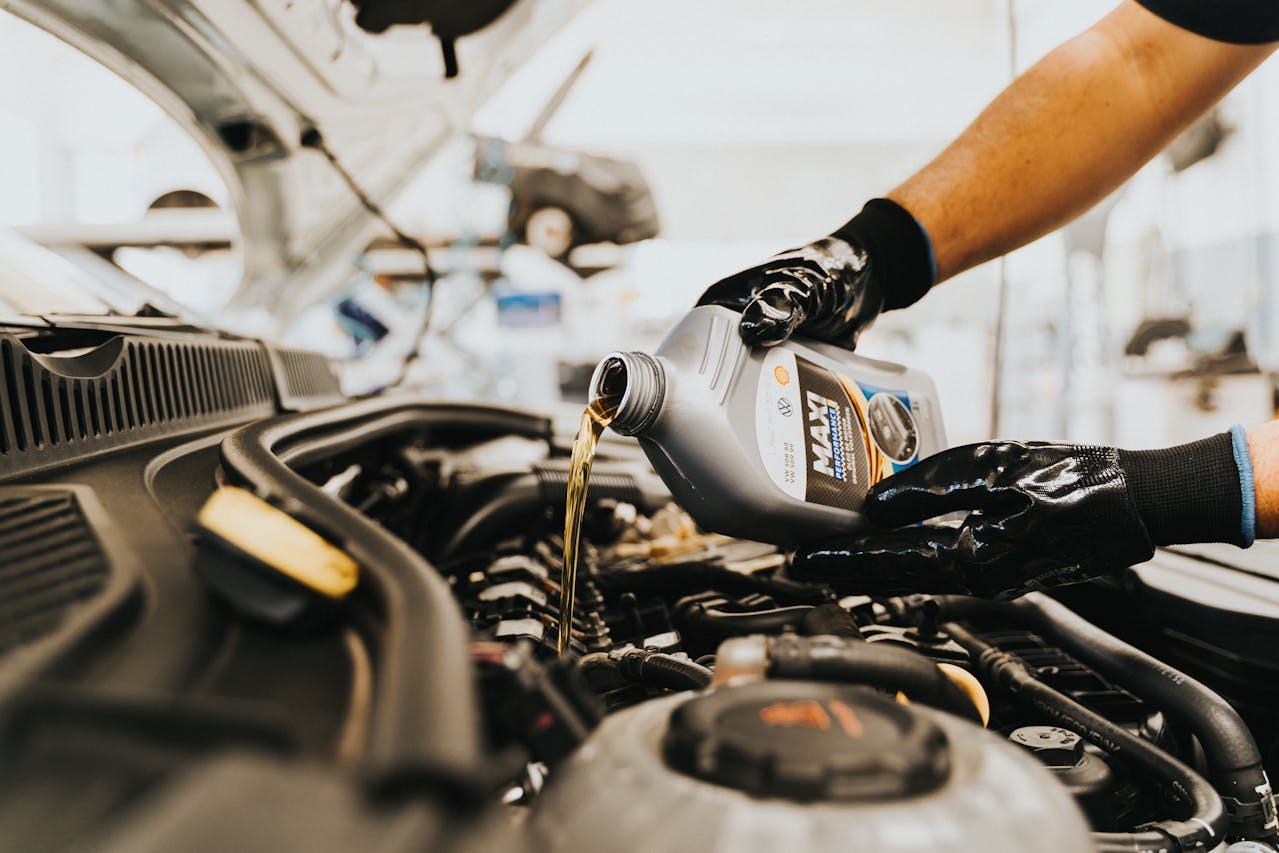
Keeping your vehicle in top-notch condition is more than just a routine task; it’s a way to ensure a smooth and reliable drive. When it comes to maintaining a Toyota, one aspect that often gets overlooked is the regular change of oil filters. Like many other parts of your vehicle, oil filters play a significant role in keeping everything functioning as it should. Understanding this process can save you from unexpected troubles down the road, especially if you frequently drive through areas like West Islip and Long Island.
Think of your vehicle’s oil filter as the vehicle’s liver. Just as the liver filters out toxins from the body, the oil filter cleans out impurities from the engine oil. This critical component ensures that the oil circulating through your engine is as clean as possible, preventing buildup and keeping the engine healthy. It doesn’t take long for dirt and debris to collect, which is why regular maintenance is key. In places like West Islip, where drivers often face varying traffic conditions, maintaining clean oil filters ensures that your car runs smoothly no matter how long you’re on the road.
The Role of Oil Filters in Your Toyota
Oil filters are small yet mighty components of your Toyota. They’re responsible for trapping contaminants that could otherwise harm your engine. As oil flows through the filter, dirt, debris, and metal particles get trapped in the filter material, leaving clean oil to move through the engine. This straightforward process helps in maintaining the efficiency of the engine’s moving parts.
Failure to change the oil filter regularly can lead to several problems. A clogged filter can reduce oil flow, causing the engine to operate at a higher temperature. Over time, this excess heat can lead to significant engine damage. Additionally, it’s important to recognize potential warning signs. A typical indicator of an overdue filter change includes the check engine light illuminating on your dashboard. Hearing unusual noises from the engine or noticing a drop in performance can also signal a problem related to the oil filter.
Drivers in Long Island can be particularly susceptible to these issues due to local driving conditions. The area’s mix of urban and suburban roads can lead to frequent stops and starts, which, combined with the grit and grime of day-to-day driving, puts extra demand on the oil filter. By ensuring your Toyota’s oil filter is clean and efficient, you’re actively safeguarding the longevity of your engine and your vehicle.
Signs That It’s Time to Change Your Oil Filter
Recognizing when it’s time to change your oil filter can prevent potential engine damage. There are several signs that your Toyota may need an oil filter replacement.
- The check engine light comes on. When this light pops up on your dashboard, it often indicates something’s off, like a clogged oil filter.
- New, strange noises under the hood. If your engine sounds rough or noisy, it might be struggling due to an obstructed filter.
- Noticeable drop in vehicle performance. A clogged filter can lead to a decrease in acceleration or overall performance.
Regular checks can help identify and rectify minor problems before they escalate. For those driving around Long Island and West Islip, the local conditions like frequent stops at traffic signals and varying speeds demand a little extra attention. By staying alert to these signs, you can keep your drives smoother and safer.
Benefits of Regular Oil Filter Changes
Switching out your oil filter regularly brings several benefits, ensuring your Toyota runs efficiently. First, it can lead to noticeable improvements in engine performance. Clean oil helps lubricate the engine parts properly, reducing friction and enhancing overall function. Secondly, replacing the filter can increase fuel efficiency. A well-filtered oil helps the engine run effortlessly, which can be a relief in traffic-heavy areas like Long Island.
Moreover, keeping up with filter changes can extend your vehicle’s life. Regular maintenance helps prevent problems that could wear down your engine over time. Imagine a friend who takes daily walks and eats healthily—your Toyota similarly benefits from a little care and attention, rewarding you with reliable longevity.
How Often Should You Change Your Toyota’s Oil Filter?
Deciding on the ideal frequency for changing your Toyota’s oil filter depends on a few factors, but there are some general guidelines. Typically, it’s recommended to change your oil filter every time you get an oil change, usually around 5,000 to 7,500 miles, though this can vary based on driving conditions and habits.
In Long Island, with variable weather and road conditions, these intervals might need minor adjustments. Specific recommendations for Toyota models might further guide this routine, so consulting your vehicle’s manual can provide precise intervals. Following these guidelines helps ensure your engine receives the protection it needs, sustaining its performance for years to come while driving through beautiful West Islip and beyond.
Wrapping Up: Keeping Your Toyota in Top Shape
Regular oil filter changes are more than just a maintenance task—they’re a proactive step toward keeping your Toyota’s engine healthy and efficient. As drivers in Long Island know, prioritizing these small yet significant changes assures you of a more dependable, smooth ride.
When you make these simple changes a habit, you’re effectively reducing the risk of potential vehicle-related headaches. It’s a routine that supports both your engine’s well-being and your peace of mind. Ensuring regular oil filter changes helps keep your Toyota ready for any journey and provides an enjoyable driving experience across Long Island.
Regular maintenance goes a long way in keeping your Toyota running smoothly on Long Island’s roads. For anyone navigating these paths, it’s wise to prioritize care like oil filter changes. To make things easier, explore the latest offers on Toyota oil filters in Long Island with Atlantic Toyota. Our team is ready to help you maintain your vehicle’s peak performance, ensuring every journey is a pleasure.
Connect with us

Recent Blog Entries
- Why Toyota Fuel System Service in Long Island Gets More Important in Spring
- What Toyota Wiper Blades in Long Island Do for Rainy Spring Days
- Spring Ready Toyota Air Filter Replacement in Long Island Explained
- Choosing Toyota Floor Mats in Long Island for Wet and Muddy Seasons
- Why Toyota Oil Filters in Long Island Matter for Early Spring Engines