


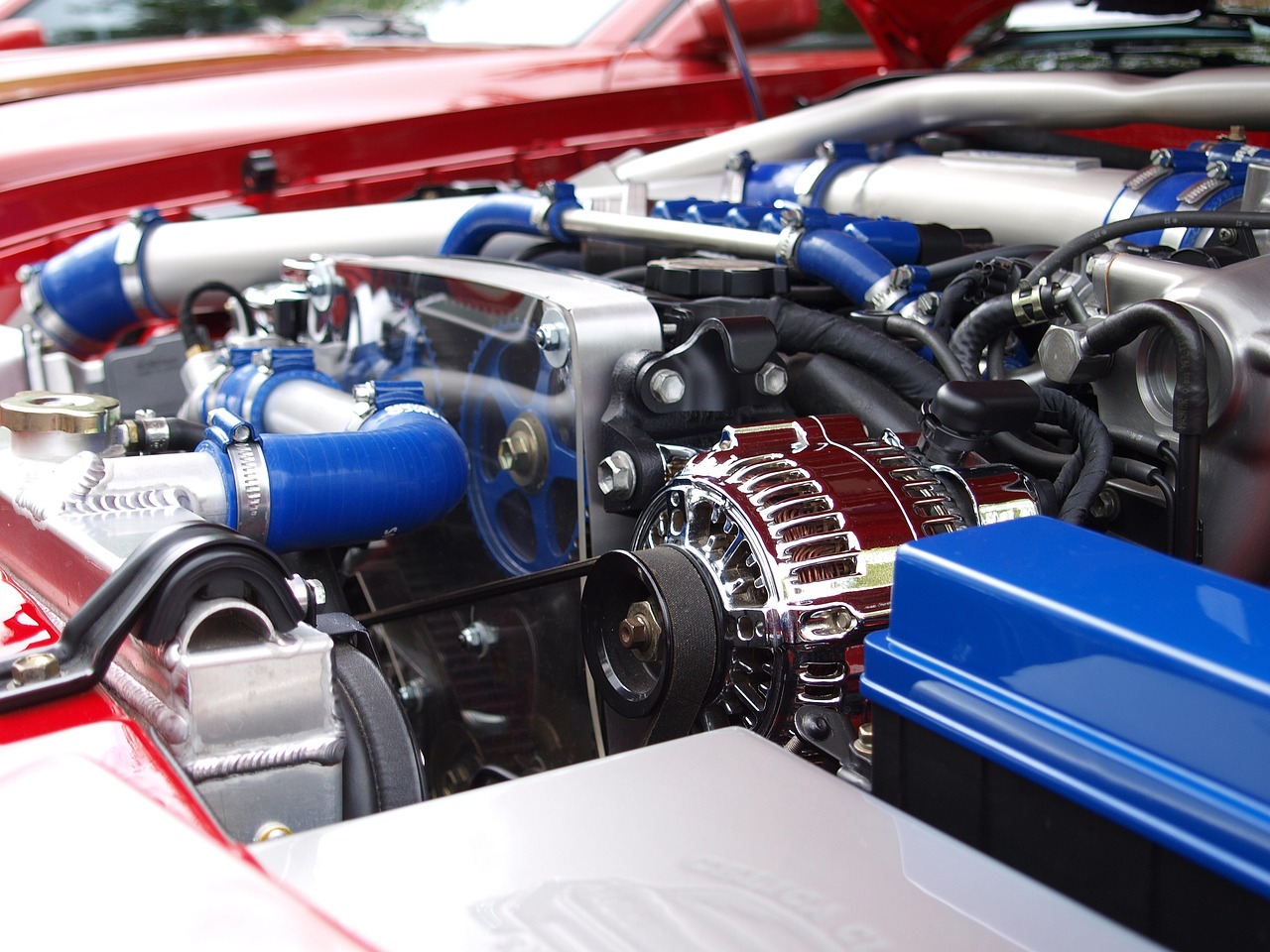
Your Toyota deserves smooth rides and reliable performance, and your radiator plays a key role in making that happen. The radiator keeps your engine cool, preventing it from overheating and ensuring everything runs as it should. But what happens if this crucial part starts acting up? Knowing the telltale signs can save you from bigger headaches down the road.
Imagine planning a fun day trip across Long Island only to find yourself pulled over because your engine’s about to overheat. Not fun, right? Before it gets to that point, let’s look at some signs that your radiator might not be holding up its end of the bargain. Recognizing these can keep you cruising smoothly and worry-free.
Overheating Engine
An overheating engine isn’t just a nuisance; it’s a clear signal your Toyota’s radiator might be in trouble. Your radiator’s main job is to keep the engine cool by circulating coolant. When something goes wrong, temperatures inside the engine bay climb quickly, setting off warning lights on your dashboard and potentially causing serious damage.
When your engine overheats, it can lead to many problems, such as warped cylinder heads and damaged gaskets. These issues not only compromise your vehicle’s performance but can result in costly repairs. The best way to sidestep this is to be alert to the early signs of trouble, like rising temperature gauges or steam coming out from under the hood.
If you find yourself dealing with an overheating engine, here are some simple steps to follow:
- Pull over safely and turn off the engine to let it cool.
- Wait for the engine to cool completely before checking the coolant level.
- Avoid opening the radiator cap while the engine is hot to prevent burns.
By paying attention to these signs and taking quick action, you can tackle the issue head-on before it escalates, helping you get back on your way with minimal fuss and a lot more peace of mind.
Coolant Leaks
Coolant leaks can cause you a world of trouble if not addressed quickly. Your Toyota’s radiator relies on a closed system to keep the engine cool, and leaks can disrupt this critical function. Common areas where leaks occur include the radiator hoses, the radiator itself, and the coolant reservoir. A crack or hole in any of these parts can lead to a drop in coolant levels, which spells bad news for your engine.
Signs of a leak might be as subtle as a faint coolant smell when your car is running or more obvious, like visible puddles of coolant under your vehicle. The liquid is often bright green, orange, or pink, depending on the type used in your Toyota. Ignoring these symptoms puts your entire cooling system at risk and can lead to overheating or other severe problems. If you notice any of these signs, it’s best to seek help sooner rather than later to prevent a simple leak from turning into an expensive repair job.
Discolored or Sludgy Coolant
Keep an eye on your coolant’s color and consistency. Under normal conditions, coolant should be bright and clear, resembling its original color. If it appears rusty, dark, or thick like sludge, it’s a sign of trouble brewing in your radiator. This change can result from contaminants entering the system or coolant degrading over time.
Sludgy coolant can impede proper flow through the radiator and the cooling system, reducing its ability to maintain the right temperature. It might also indicate corrosion inside the radiator or engine components. Regular checks and timely flushing of the coolant can prevent these issues and keep your vehicle running smoothly. Taking your car in for regular maintenance is a simple way to avoid potential damage from lingering contaminants.
Steam or Unusual Smells
It’s never a good sign when you see steam wafting from under your hood or catch a whiff of sweet or burning odors while driving. Steam typically means that your engine is running too hot, and the radiator or coolant system is compromised. When coolant leaks or evaporates upon contact with hot engine parts, it can produce these smells, signaling that something’s off with your radiator.
If you encounter these signs while on the road, it’s wise to pull over, turn off the engine, and let it cool down. Attempting to drive further could exacerbate the issue, leading to more costly repairs. Once it’s safe, arrange for an inspection to pinpoint the exact cause and get it fixed before it becomes a major problem.
Stay Ahead of Radiator Issues
Owning a vehicle means keeping a careful watch on your car’s vital parts, like the radiator. By recognizing and addressing potential problems early, you can ensure longer, worry-free drives through the beautiful roads of Long Island. Conducting periodic checks and getting professional help for any unusual symptoms go a long way in protecting your ride from unforeseen troubles.
Regular maintenance not only saves you time and money but also offers you peace of mind on your journeys. Staying informed and proactive about your radiator’s health is a smart way to keep your Toyota dependable, giving you one less thing to worry about in your driving adventures.
To keep your Toyota in top shape and ensure that radiator troubles don’t disrupt your journey, act swiftly when you spot any issues. If you’re experiencing signs of a failing radiator, it might be time to dive deeper into the details. Learn more about Toyota radiators in Long Island by visiting Atlantic Toyota. Our team is dedicated to helping you maintain a smooth, reliable ride, so don’t hesitate to reach out for expert assistance.
Connect with us

Recent Blog Entries
- Why Toyota Fuel System Service in Long Island Gets More Important in Spring
- What Toyota Wiper Blades in Long Island Do for Rainy Spring Days
- Spring Ready Toyota Air Filter Replacement in Long Island Explained
- Choosing Toyota Floor Mats in Long Island for Wet and Muddy Seasons
- Why Toyota Oil Filters in Long Island Matter for Early Spring Engines