


When it comes to vehicle safety, brake pads play a pivotal role in ensuring you can stop smoothly whenever you need to. Over time, the constant friction and wear can lead to brake pads that no longer perform effectively. It’s important to understand how to recognize when your brake pads are wearing out, especially if you drive a Toyota in Long Island. The more you know about the signs of worn-out brake pads, the better prepared you’ll be to maintain your car and keep it running safely.
Long Island’s diverse driving conditions can put a lot of stress on your vehicle’s brakes. From city traffic to coastal weather challenges, all these factors contribute to the condition of your brake pads. Being proactive about their care not only enhances your driving experience but also extends the life of your vehicle. Let’s explore the signs that indicate when it’s time to consider new brake pads for your Toyota.
Signs Your Toyota Brake Pads Are Worn Out
Recognizing when your brake pads are worn out can prevent potential problems on the road. Here are some common signs to watch for:
1. Unusual Noises: If you hear a squealing or grinding sound when you apply the brakes, it often means that your brake pads need attention. Squealing typically indicates that your pads are worn down, while grinding suggests that the pads are so worn that the metal beneath is making contact with other components.
2. Decreased Braking Performance: Have you noticed your car taking longer to come to a stop? This is a red flag that your brake pads may be losing their effectiveness. As the pads wear down, the ability to grip the rotors diminishes, which results in extended stopping distances.
3. Vibration or Pulsation: When you press the brake pedal, your car should come to a smooth stop. If you feel a vibrating or pulsating sensation, it’s usually a sign that the brake pads are unevenly worn. This can be felt through both the pedal and sometimes even the steering wheel.
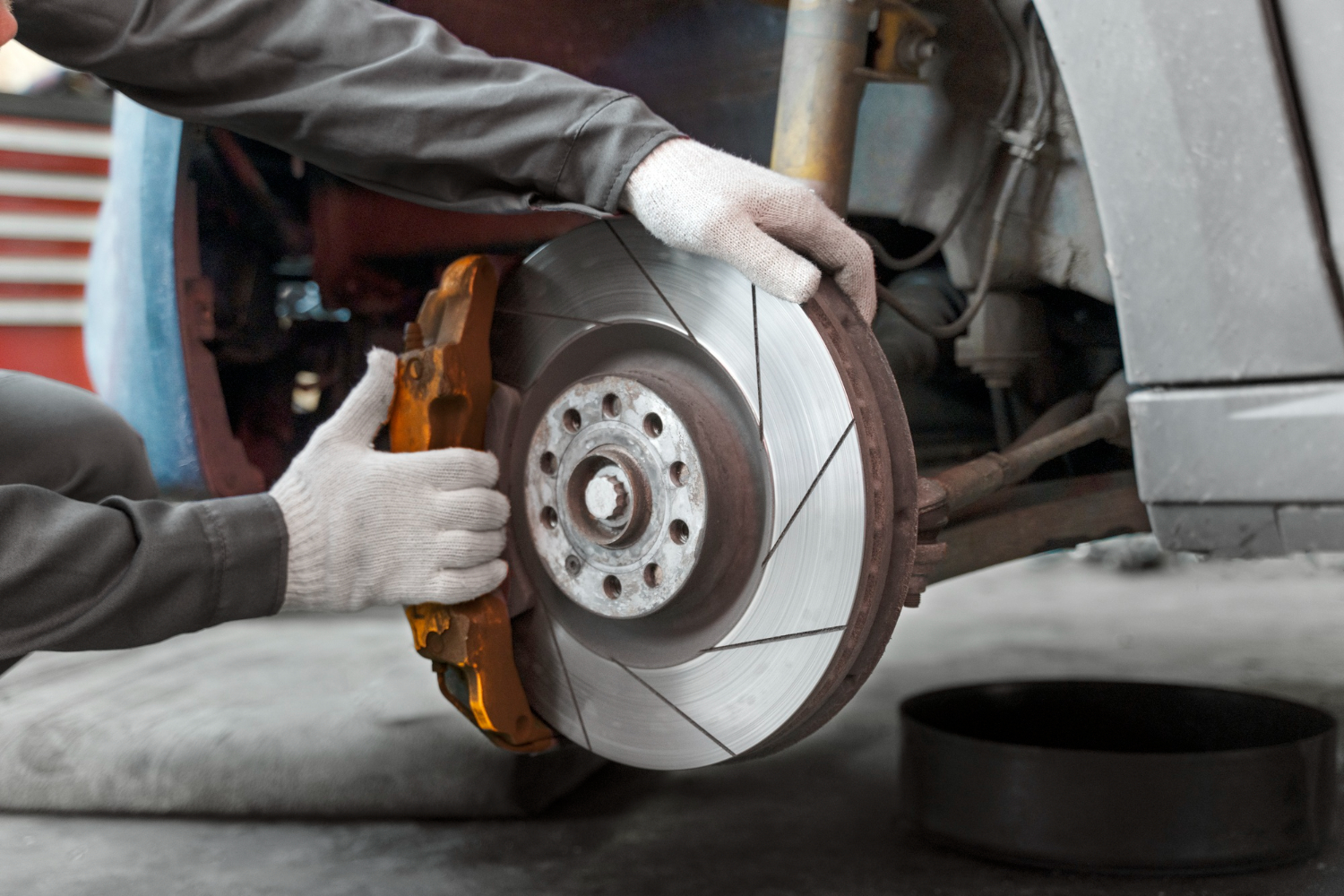
4. Visual Inspection: Peeking through your car’s wheels can give you a visual clue into the state of your brake pads. If they look thin, or the grooves that normally trap dust and debris appear shallow or smooth, it’s likely time for new pads.
On top of these indicators, always be alert to any changes in how your brakes feel or sound. Addressing these problems early can save you time and money down the road, and more importantly, keep you safe.
Causes of Brake Pad Wear
Being knowledgeable about what causes brake pad wear can help you take steps to extend their life. Several factors contribute to this wear and tear:
- Driving Habits: The way you drive can significantly affect how quickly your brake pads wear out. If you regularly engage in aggressive braking or make frequent short trips, your pads will experience more friction. Each push of the pedal on short trips equates to more stops and starts, accelerating the wear.
- Environment: The conditions you drive in, especially in places like Long Island, also matter. For instance, the road salt used in winter can subtly speed up corrosion, impacting the longevity of your brake pads. Moreover, constant exposure to coastal humidity and salt in the air can double the impact on various car components, including the brakes.
- Vehicle Usage: How you use your vehicle is another vital factor. If you’re in the habit of towing heavy loads or often carry a full complement of passengers, the extra weight demands more from your braking system. This increased demand leads to faster wear of the pads.
Understanding these causes can help you modify certain driving habits and prepare for timely brake inspections, prolonging the life of your brake pads.
Consequences of Ignoring Worn Brake Pads
Overlooking the signs of worn brake pads can lead to unwanted and sometimes dangerous consequences:
- Safety Risks: One of the most severe risks of ignoring brake pad wear is brake failure. As the pads continue to thin, you’ll experience a decrease in the car’s stopping power. This reduced capability can lead to unsafe conditions, especially in emergency situations where quick stopping is crucial.
- Additional Vehicle Damage: Worn brakes can damage your car in other ways. If pads are completely worn out, metal components start grinding against the rotors, warping them. This not only leads to an uncomfortable drive but also requires costly repair or replacement of the rotors and calipers.
- Increased Repair Costs: Ignoring brake pad wear can make repairs more expensive. Replacing the pads when needed is far less costly than replacing both the pads and the damaged rotors. Keeping up with maintenance saves you money in the long run and prevents sudden surprises.
Recognizing and fixing worn brake pads promptly means fewer headaches and a safer driving experience.
Maintaining Your Toyota Brake Pads
Taking care of your brake pads can prevent the issues described above and ensure smooth rides:
- Regular Inspections: Routine checks help spot brake wear before it turns into a bigger problem. It’s smart to inspect your brakes before long trips and during seasonal changes when driving conditions might be different.
- Professional Maintenance: Having a professional inspect and replace your brake pads when necessary ensures the job is done correctly. This maintains your vehicle’s performance and safety standards without the uncertainty of a DIY job.
- Staying Informed: Keeping updated on brake pad conditions and vehicle performance helps you be more proactive. Knowledge about your car’s brake system allows you to take action before minor problems turn into major repairs.
Informed maintenance habits protect your car and your safety on the road.
Ensuring Your Safety on Long Island Roads
Staying informed and proactive about your Toyota’s brake condition can make all the difference. Addressing wear early reduces risks and unexpected costs. By taking consistent steps to evaluate your brakes, you maintain control over your vehicle’s safety.
With so much riding on effective brakes, ensuring they are always in top condition should be a priority. Regular checks and professional intervention offer peace of mind and keep your driving smooth and secure. Being aware of brake pad health means you’re prepared for anything the Long Island roads throw your way.
To keep your Toyota running smoothly and safely, paying attention to your brake pads is important. If you notice any issues or just want to make sure your brakes are performing their best, do not wait. Schedule a service with Atlantic Toyota and have your brake pads professionally inspected. You can also explore our current offers on Toyota brake pads in Long Island to keep your vehicle ready for every drive.
Connect with us

Recent Blog Entries
- Why Toyota Fuel System Service in Long Island Gets More Important in Spring
- What Toyota Wiper Blades in Long Island Do for Rainy Spring Days
- Spring Ready Toyota Air Filter Replacement in Long Island Explained
- Choosing Toyota Floor Mats in Long Island for Wet and Muddy Seasons
- Why Toyota Oil Filters in Long Island Matter for Early Spring Engines