


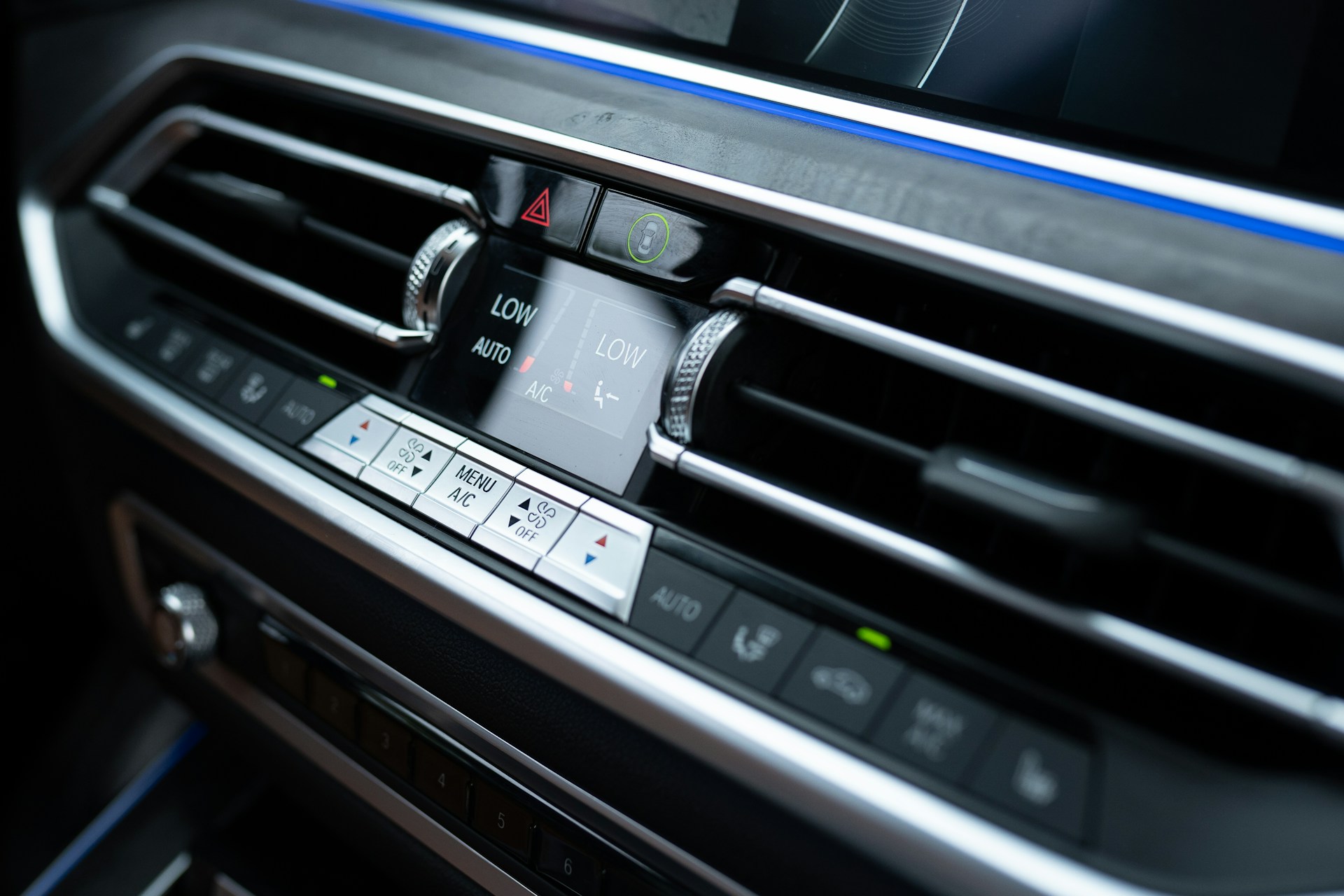
As the cold fades and you pull your Toyota out of winter storage, you might notice something a little off. You turn on the AC, expecting clean, cool air, but instead, you’re met with an unpleasant musty smell. It’s that damp odor no driver wants filling their cabin, especially after months of not using the car regularly.
This isn’t just annoying. It could be a warning sign. That smell often points to something deeper going on with your vehicle’s AC system. If you’re in Long Island and starting to notice the inside of your Toyota doesn’t smell fresh, especially after it’s been stored all winter, it’s time to take a closer look. Toyota AC repair in Long Island becomes more than just a quick fix. It’s about making sure your vehicle stays safe, comfortable, and enjoyable as the warmer months roll in.
Causes of Musty Smells in the Toyota AC
A musty smell in your Toyota’s AC isn’t random. It usually happens when moisture hangs around where it shouldn’t be and creates the perfect environment for mold and mildew. That’s exactly the kind of stuff you don’t want in the air you breathe.
Here’s what might be causing that stale smell:
- Moisture buildup inside the system. If your car sat unused during the cold season, moisture may have collected inside the AC system. When it’s not being used, there’s no air circulation to move that moisture out.
- Mold or mildew on the evaporator coil. This part of the AC stays cool and damp, making it easy for mold to grow if airflow is blocked or if moisture isn’t draining properly.
- Clogged or dirty cabin air filter. Filters filled with dirt, leaves, or pollen can trap moisture and bacteria. When you turn the air on, it pushes that nasty smell through your vents.
- Debris in the intake vents or ducts. Small critters or wind-blown debris can make their way into the system and sit there all winter. That buildup doesn’t stay fresh for long.
We often see leaves collecting near the air intake when cars are stored in driveways under trees. That organic mess gets damp from snow and ice and is left to decompose. By the time spring hits, it starts to give off an odor, and your cabin is the first place you’ll notice it.
The good news is these problems are typically easy to catch during an inspection. But if they’re left alone for too long, they can lead to bigger repairs. A quick check after taking your car out of storage can go a long way toward preventing issues from getting worse.
Health Implications of a Musty AC
That musty smell isn’t just annoying. It can also make the air inside your Toyota uncomfortable or unsafe to breathe. What you’re smelling is often mold or mildew, and if you’re breathing that in regularly, it can affect your health, especially if someone in the car has allergies, asthma, or any breathing sensitivities.
Driving with musty air blowing into your face isn’t just gross. It can irritate your nose, give you a scratchy throat, or trigger sneezing and coughing. Some people even get headaches or start feeling run down when they’ve been breathing stale air for a while. If the AC is working against you, it’s time to do something about it.
Even if no one riding in the car has allergies, mold spores in the air aren’t something you’d want floating around the cabin. When condensation is ignored, bacteria trapped inside the AC system can start spreading that bad smell every time the car is running. And once that starts, it won’t go away without treatment.
As winter comes to a close, this is the perfect time for Long Island drivers to get their AC systems checked. Even if it’s just a little odor, the air you and your passengers breathe every day should feel fresh and clean. If that smell sticks around, there’s probably a moisture or mold issue somewhere in the system.
Steps to Address and Prevent Musty Smells
Getting rid of that musty AC smell and keeping it away starts with a proper inspection and cleaning. While it might seem like a small issue, it usually points to something more serious inside the system—something that needs the right tools and know-how to fix properly.
A professional technician can:
- Remove and replace the old cabin air filter
- Clean the evaporator core to get rid of mold or mildew
- Flush the AC drain line if water isn’t draining as it should
- Clear out any leaves or small debris in air intakes and ducts
Once the cleaning is done, keeping the smell from coming back is all about smart habits. AC systems don’t like sitting still for too long, especially if it’s damp and cold outside. That’s when moisture builds up and fresh airflow stops moving through.
To help prevent odors from coming back:
- Run the AC for a few minutes every couple of weeks, even during winter. This helps parts stay active and pushes out damp air.
- Switch to fan mode a minute or so before parking. This lets the AC system dry out instead of trapping moisture.
- Try not to park under trees long term. Falling leaves and sap can clog up vents fast.
- Schedule seasonal AC maintenance before you start using it daily in spring or summer.
One Long Island Toyota owner mentioned a small habit that made a big difference. They started parking in their garage instead of under trees, and their car didn’t have that springtime mildew smell the next year. Sometimes it’s the simple changes that help keep your vehicle feeling fresh from season to season.
AC maintenance often gets overlooked when it’s cold outside, but it plays a big part in keeping your car running right and feeling good from the inside out.
Benefits of Professional AC Repair and Maintenance
While sprays and air fresheners might cover up the smell for a day or two, they don’t fix what’s really wrong. A professional Toyota AC repair in Long Island goes deeper. It finds where the moisture or mold is hiding and clears it out properly, whether that’s in the drain line, the filters, or deeper in the ductwork.
Repair experts have the right tools to reach the spots most drivers can’t. That includes deep areas behind your dashboard, the insides of vents, and sensitive parts like evaporator coils. They also check for balance and pressure in the system to make sure it’s working like it should.
Sticking to a regular service schedule:
- Helps your AC system run more smoothly and efficiently
- Prevents mold, mildew, and clogs from returning
- Increases the life of your air conditioning system
- Boosts the air quality inside your Toyota
Delaying repairs can lead to expensive fixes, like needing a new evaporator coil or dealing with water damage from a blocked drain. A quick service visit early in the season can help you avoid months of discomfort or costly replacements. It also means you’ll enjoy cleaner air every time you take your car out for a drive.
Fresh Start for a Fresh Season
As spring and summer begin, there’s nothing better than rolling down the road in a car that feels as refreshed as the weather. Your Toyota shouldn’t just look good from the outside—it should smell clean and feel great on the inside, too.
If your car has been parked in the driveway or garage all winter and your AC smells like something went bad inside, don’t let it stick around. Dealing with it sooner means a quicker fix and a stronger return to comfort. A clean AC system makes your everyday drives smoother, your weekend trips more relaxing, and the whole car experience that much better.
Now’s the right time to get ahead of seasonal AC problems and make sure the air flowing through your cabin is as clean and fresh as it should be. Whether the problem is small or something that needs a deeper clean, a professional Toyota AC repair in Long Island can help you get back on the road feeling good.
Drive with confidence and comfort this season by taking proactive steps for a healthy car environment. If you suspect your Toyota’s air quality has been compromised, it’s time to schedule Toyota AC repair in Long Island. Secure your spot today with Atlantic Toyota to ensure a pleasant and enjoyable ride.
Connect with us

Recent Blog Entries
- Why Toyota Fuel System Service in Long Island Gets More Important in Spring
- What Toyota Wiper Blades in Long Island Do for Rainy Spring Days
- Spring Ready Toyota Air Filter Replacement in Long Island Explained
- Choosing Toyota Floor Mats in Long Island for Wet and Muddy Seasons
- Why Toyota Oil Filters in Long Island Matter for Early Spring Engines