


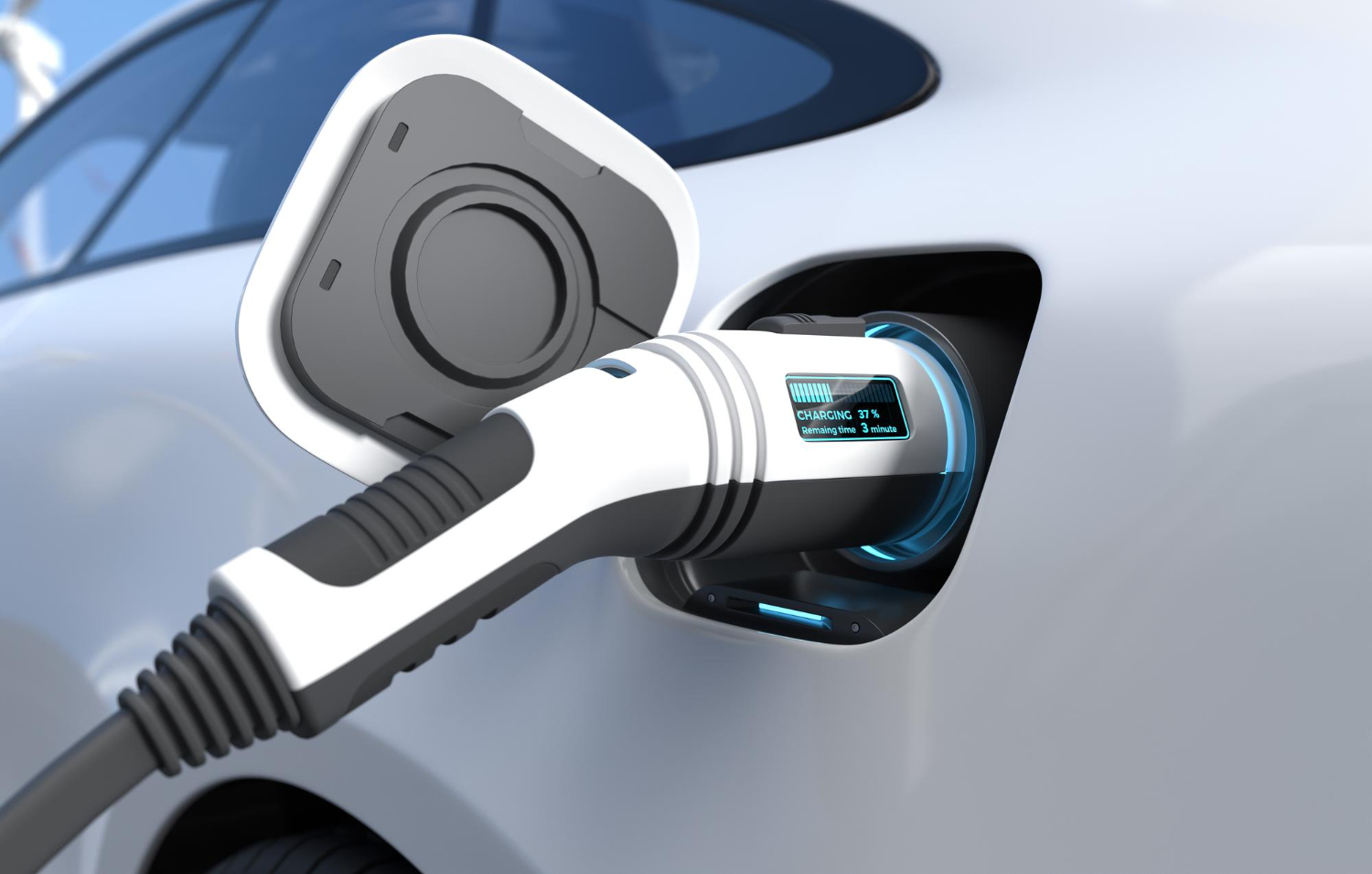
If you’re driving a Toyota electric vehicle in Long Island, you’re probably already enjoying a smoother, quieter ride and fewer trips to the gas station. But when it comes to powering that EV at home, things can get a little confusing. There are several charging options, and figuring out which one works best for your home and lifestyle can save you a lot of time, effort, and even stress down the road.
Home charging is convenient because it means you can plug in at night and wake up to a full battery. No waiting in line or adjusting your schedule around public charging stops. And the good news is that getting your EV setup sorted from your own driveway or garage isn’t as tricky as it may sound, especially once you get a handle on the basics of what’s available.
Types of Home Charging Options
Most Toyota electric vehicles support common charging options, giving you some flexibility based on your preferences and home setup. Let’s break down the main two choices.
1. Level 1 Charging (Standard Outlet)
This is the simplest way to charge your Toyota EV. It uses a regular 120-volt outlet, the kind found all over your home. There’s no need for special equipment, and every Toyota EV comes with a cord that plugs right into one of these outlets. That said, it’s the slowest charging method. It’s best if you don’t drive far each day or use the car only for local trips.
2. Level 2 Charging (240-Volt Outlet)
This one requires more commitment, but the payoff is worth it. A Level 2 charger can be installed at home and charges your vehicle much faster. These chargers use a 240-volt outlet, the same kind many dryers or ovens use. While this option does involve some setup, it’s usually the go-to choice for most EV drivers who want quicker charging times.
Each option has its pros and cons. Level 1 works fine if you’re not driving much or have a second car for longer drives. But if your Toyota EV is your main ride, a Level 2 charger is far more practical in the long run. One West Islip resident shared that having a Level 2 charger installed made ownership easier—no more anxiety about running low after one busy day.
Before picking the option that’s right for you, think about daily mileage, how long the car sits idle overnight, and whether you might expand your EV use in the household.
Setting Up Home Charging for Your Toyota EV
Getting your home ready for EV charging doesn’t have to feel like a big project. With a plan and help from a licensed electrician, it can come together smoothly. Whether you’re sticking to a standard plug or going big with a Level 2 charger, a few simple steps are all it takes.
Start here:
Check Your Current Electrical Setup
Some older homes in Long Island may not have the wiring needed to handle a 240-volt charger. An inspection can tell you what’s possible with your current panel and what you might need to update.
Pick the Perfect Spot
Most people install their chargers in a garage or driveway. Make sure the charger’s location allows the cord to reach your car’s plug easily without becoming a tripping hazard.
Hire a Licensed Electrician
A professional will ensure that everything is done safely and meets local codes. They’ll recommend the right setup, handle upgrades if necessary, and install the charger correctly. It’s safer and smarter to let a pro handle it than to risk complications.
Account for Permits (If Needed)
Some towns require a permit for electrical work. Your installer can help with this or tell you how to get it taken care of.
Getting the setup right from day one brings long-term peace of mind. Safe, steady charging and a future-ready setup make a difference every time you plug in.
Choosing the Right Charger for Your Home
Choosing the right charger depends a lot on your daily habits and how your home is wired. Speed matters, but so does flexibility, simplicity, and whether you’re planning to grow your EV use in the future.
Here are a few things to look at when picking a home charger:
– Charging Speed: Look at the output capacity. A higher amperage usually means faster charging, but it needs to line up with what your home’s wiring can support.
- Installation Requirements: Some chargers are hardwired, but others plug into a 240-volt outlet. If you might be moving or don’t want a permanent fixture, a plug-in setup offers more flexibility.
- Technology Features: Some chargers come with Wi-Fi, scheduled charging, or energy tracking tools. These can help you manage energy costs, especially during off-peak hours. Others are more basic but reliable and easier to use.
- Durability and Weather Rating: If your charger will be outside, make sure it can withstand rain, snow, wind, and extreme temps—especially with Long Island seasons that go from humid summer days to icy winters.
- Compatibility: Most chargers are universal, but it’s always good to double-check they’re a good match with Toyota EVs and won’t require adapter cables or software updates.
Looking ahead matters too. If you think there may be another EV in the driveway, or you’ve considered adding solar panels one day, there are chargers made to grow with you. Some offer optional upgrades or can handle multiple vehicles. Planning now can keep costs down later.
Benefits of Home Charging for Toyota EVs
The biggest upsides of home charging come down to ease, cost, and comfort. Once it’s all set up, it’s just like charging your phone. No waiting, no lines, no cold mornings spent searching for an outlet on the way to work.
A full battery overnight keeps your day moving without extra thought or errands. Whether you’re heading to Commack during rush hour or running errands around West Islip, you won’t be relying on the availability of public stations.
Charging at home can also protect your battery longer term. Quick charging at public stations can wear down battery health over time, while steady at-home charging is gentler. That means fewer battery issues and longer-lasting performance.
Then there are savings. Charging during off-peak hours can lower your home electricity bill over time. With smart chargers, you can even set it to start charging at the exact time rates drop. This adds up, especially if you drive often.
Environmentally speaking, you can also choose cleaner energy. Many utility providers in Long Island offer renewable energy options that pair well with EV charging. It’s a nice boost for your footprint without much work on your end.
Local EV drivers often love this. One neighbor described how she loved heading to bed knowing her car would be ready to go by morning—all without battling traffic or the elements just for a charge.
Charging That Fits Your Life in Long Island
Charging your Toyota electric vehicle at home is more than just a smart convenience. It’s something that fits neatly into your everyday life. With a bit of prep and the right setup, your vehicle is ready every morning, giving you peace of mind no matter what the day holds.
Whether it’s busy workweeks or impromptu beach plans, home charging takes one more task off your plate. With the changing weather, tricky traffic, and active schedules around Long Island, being able to rely on your own setup is a real win.
Getting the right charger and having it installed by a trusted electrician is worth the effort. It means simple routines, safer charging, and better long-term value for your Toyota EV.
More and more EV owners are realizing home charging isn’t just good—it’s better. And when you’re ready to find the Toyota electric vehicle that fits your life, know that help is close to home. Atlantic Toyota is happy to walk you through it.
Take the next step toward easy, reliable charging from home. Browse our selection of Toyota electric vehicles in Long Island to see how Atlantic Toyota can help you drive with more confidence, convenience, and control every day.
Connect with us

Recent Blog Entries
- Why Toyota Fuel System Service in Long Island Gets More Important in Spring
- What Toyota Wiper Blades in Long Island Do for Rainy Spring Days
- Spring Ready Toyota Air Filter Replacement in Long Island Explained
- Choosing Toyota Floor Mats in Long Island for Wet and Muddy Seasons
- Why Toyota Oil Filters in Long Island Matter for Early Spring Engines