


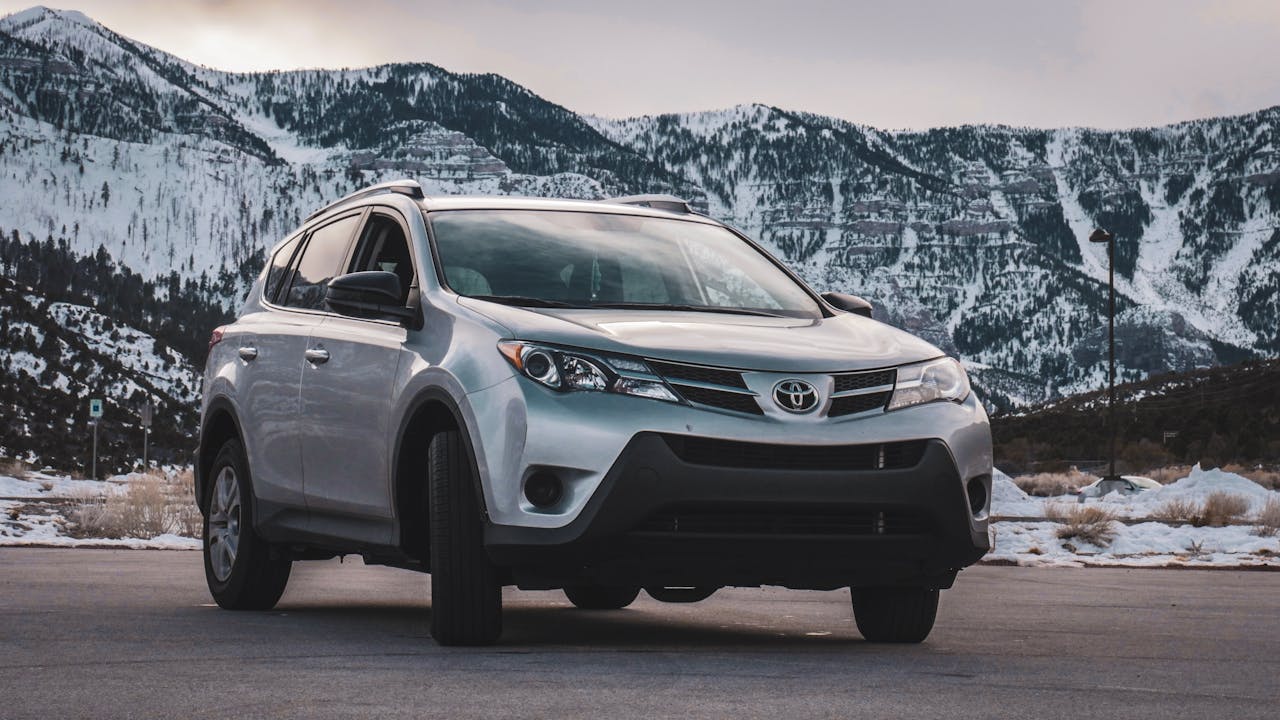
Cold weather does more than just make your hands and nose feel numb. It also affects how well your Toyota battery holds a charge and performs. If you’ve ever had trouble starting your vehicle on a freezing morning, you’re not alone. Winter weather can take a toll on your car’s battery, making it work harder just to get things going. The issue becomes more noticeable when the temperature drops below freezing, especially on Long Island where winters can be wet, cold, and unpredictable.
Understanding how temperature affects your battery can help you make smarter choices during the colder months. From warming up your car while it’s plugged in to spotting early signs that your battery is under stress, small actions can save you from being stuck with a dead battery in a parking lot. Let’s break down why winter has such a strong effect on your Toyota battery and how to handle it before it becomes a bigger issue.
How Cold Weather Affects Your Toyota Battery
When the temperature dips, the chemical process inside your battery slows down. That means it takes longer for the battery to generate the power needed to start your engine or support the electrical systems in your Toyota. On really cold days, your engine needs more energy to crank up, but the battery is producing less. It’s like asking someone to run uphill while wearing ankle weights. It can still happen, but not as easily.
Besides starting power, your battery also controls many features in your car like your headlights, display screens, seat warmers, and more. During winter, you’re probably using seat heaters and the defroster almost every time you drive. Those extra systems pull power from the same battery that’s already struggling in the cold.
Here are a few common effects of winter weather on your Toyota battery:
- Reduced battery capacity, which lowers the available power
- Slower engine turnover when starting your car
- Longer charging times if you drive a hybrid or electric model
- Increased demand on the battery from heating features like the defroster and seat warmers
If you’ve ever noticed your headlights looking a little dimmer at night during the winter, that’s probably your battery working overtime. Cold weather impacts both performance and lifespan. Even a battery that runs fine during summer might begin to show signs of weakness once the frost sets in.
Tips to Extend Battery Life in Cold Weather
There are a few small routines that can improve battery performance during the coldest part of the year. These simple changes can go a long way in helping your Toyota run smoother all winter long.
1. Keep your vehicle in a garage or under shelter
Parking out of the direct wind and harsh cold helps reduce overnight battery strain. Even being shielded from snow and icy conditions can lower the chance of slow starts in the morning.
2. Use preconditioning when plugged in
If your Toyota supports it, warm up the cabin while the vehicle is still plugged into its charger. That way, the system pulls power from your home connection instead of draining the battery.
3. Avoid frequent short trips
Cold temperatures make it harder for your battery to recharge after startup. Back-to-back quick trips can lead to a slow drain. Adding a slightly longer drive when possible gives your battery more time to reset.
4. Check your tire pressure weekly
Cold air reduces tire pressure, which increases rolling resistance. That means your battery has to work harder to power your ride. Inflated tires can improve efficiency across the board.
5. Turn off extra accessories when starting your car
Before starting your vehicle, shut off lights, defrosters, and heated seats. These features place a lot of strain on your battery during startup. Let the engine run for a few moments before turning them back on.
One local West Islip driver shared that after making small changes like planning longer routes and letting the car warm up before using heated accessories, their Toyota’s battery ran stronger through the coldest weeks. Simple habits can help keep your battery from losing steam when you need it most.
Warning Signs Your Battery Might Need Replacement
If your Toyota has been acting up when temperatures drop, don’t ignore the warning signs. The cold doesn’t just slow down your battery; it can also bring out issues that weren’t noticeable in warmer weather.
The most obvious indicator is a slower engine crank. If it feels like your car is hesitating or dragging when you try to start it, cold weather might be exposing a deeper battery problem. Another red flag is the dashboard battery warning light. It may start to flicker or stay on longer than normal. Ignore it too long, and it might leave you stranded.
Keep an eye out for these other signs your battery could be nearing the end:
- Electrical glitches with windows, lights, or radio
- A bulging battery case or strong sulfur smell
- Clock or display settings resetting on their own
- Low voltage readings during seasonal check-ups
Our winters here in Long Island pack moisture and cold together, which wears down older batteries quickly. Planning ahead by scheduling a quick battery test before the coldest stretch hits can prevent a lot of hassle.
Routine Maintenance for Optimal Battery Performance
Some battery problems don’t show up until they turn into starter issues or leave your Toyota unresponsive. That’s why a little preventive maintenance can make a big difference all year but especially in winter.
First, schedule checkups at least once a season. A technician can tell you if your battery is still holding a proper charge or if certain parts of your charging system are due for service. Tests are quick and offer peace of mind.
Here are a few things service teams often check and clean during winter battery care:
- Remove corrosion buildup using a wire brush
- Secure the mounting to reduce battery movement
- Tighten or replace loose or frayed cables
- Inspect for cracks or splits in the battery case
- Load test the battery if it’s older than three years
Even newer Toyota models can lose performance if battery connections get loose or dirty. Keeping these areas clean boosts conductivity and support on those freezing mornings when power is already harder to generate. A little cleanup during service visits helps avoid big problems later.
Staying Ready Before the Frost Hits Long Island
The shift into full-blown winter can sneak up fast on Long Island. Your Toyota may not show signs of stress right away, but cold weather is already working behind the scenes. Staying ready is usually just a matter of sticking to a few smart habits and knowing what signs to watch out for.
If you can keep your vehicle warm overnight, reduce short trips, and do one extra seasonal check, you’ll be in better shape once the deeper cold sets in. Test your battery’s health before problems hit. Keep your charger connections and terminals clean. Watch for dashboard warnings and sluggish starts.
Staying ahead is easier than bouncing back after a surprise dead battery. Being proactive about battery care helps your Toyota get through Long Island winters with fewer headaches and stronger performance, no matter how frosty it gets.
As the chill of winter deepens on Long Island, keeping your Toyota’s battery in top shape matters for smooth, stress-free driving. Don’t let a slow start or random issues turn into a bigger hassle. If it’s time for a new battery, we’re here to help with dependable Toyota battery replacement in Long Island. Let Atlantic Toyota keep you moving with confidence all winter long.
Connect with us

Recent Blog Entries
- Why Toyota Fuel System Service in Long Island Gets More Important in Spring
- What Toyota Wiper Blades in Long Island Do for Rainy Spring Days
- Spring Ready Toyota Air Filter Replacement in Long Island Explained
- Choosing Toyota Floor Mats in Long Island for Wet and Muddy Seasons
- Why Toyota Oil Filters in Long Island Matter for Early Spring Engines