


As winter fades and the roads around West Islip start to dry out, many of us begin to think about spring routines. For drivers with electric vehicles, the season brings a few small but important changes. Mornings may be warmer and daylight longer, but spring driving still causes its share of new questions. Rain, pollen, road debris, and leftover salt can all shape how our vehicles handle and perform.
For those of us with Toyota electric vehicles in Long Island, spring is more than just the start of better weather. It’s a good time to check how our vehicle has held up after months of cold and to plan for changes ahead. Whether we’re commuting, heading out east for the weekend, or simply getting back into outdoor plans, the season can change the demands we put on our cars.
Understanding How Spring Affects EV Performance
After a long, cold winter, warmer temperatures are usually a welcome shift. But for an EV, that shift can impact how the battery works on a daily basis. Cold weather usually drains battery charge faster and slows down how quickly it can be recharged. When spring comes and temps rise, batteries tend to perform more consistently.
That said, there are a few things about spring worth keeping an eye on:
- Battery range often improves slightly in milder weather, but short trips and traffic can still cause dips
- Charging may take less time, but outdoor stations could be blocked by mud or flooding after storms
- Spring rain can make roads slick, affecting traction and regenerative braking
Since weather plays a big role in EV behavior, this time of year can actually feel smoother. There are fewer freezing days, so charging speed and vehicle response usually improve. But comfort doesn’t mean ignoring routine checks. What we use less in winter, such as air conditioning or summer tires, might come back into play quickly.
At Atlantic Toyota, we’re proud to offer Toyota electric vehicles like the bZ4X and hybrid options, with information on local incentives and home charger compatibility for Long Island drivers. Our team can also help answer questions about battery maintenance and maximizing range during seasonal changes.
Charging Challenges in Coastal Neighborhoods
Living near the coast has perks, but it’s not without a few vehicle quirks. In places like Long Island, spring might mean more outdoor time, and with that, more trips to local parks, beaches, or town centers. That also means more need for public charging stations, and more drivers looking to use them.
Here’s what we’ve seen matter most:
- On weekend drives, we make a habit of mapping out available chargers between destinations
- Home charging stations may need a once-over if salt or sand built up during winter storms
- During spring breaks or holiday traffic times, expect higher demand at shared stations
If you plan ahead, it makes a big difference. While some areas are adding more EV chargers, other locations still have limited access or slower connections. Before getting on the road, check for stations that offer level 2 charging, especially near public areas. Charging at home is still the most convenient option, but only if it’s working well after winter weather.
Spring Cleaning: Getting Your EV Ready After Winter
Spring is when we open the windows, check the yard, and maybe clean the garage. Cars benefit from a reset too. For EVs, small issues can grow if we hold off on simple maintenance after winter. Cold weather can crack rubber, wear tires, and build moisture in strange spots.
Things we usually inspect around this time include:
- Tire pressure, which often drops more in cold months
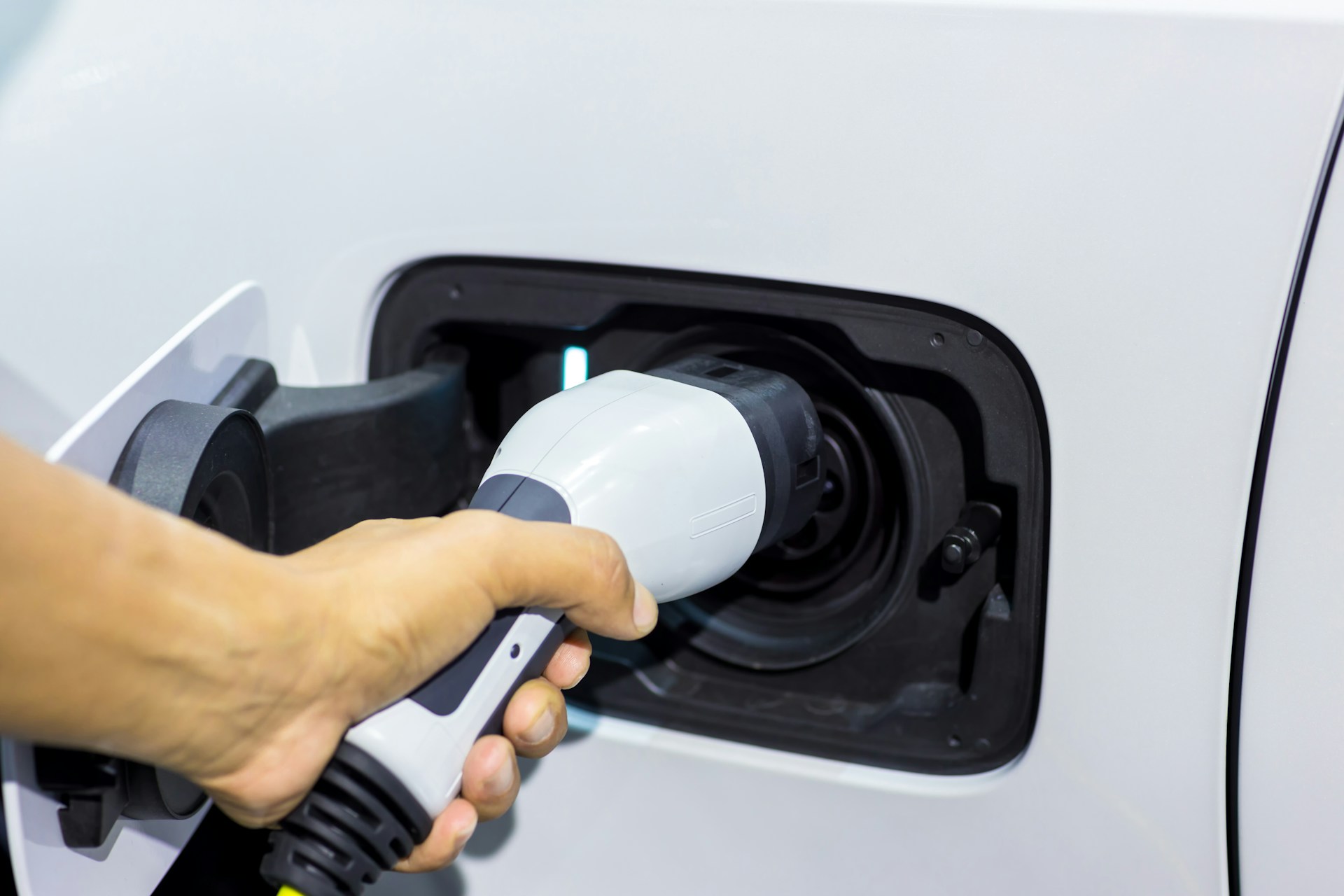
- Exterior charging ports, which can collect dust or ice residue
- Battery area and cables, which may need drying or cleaning if moisture built up
We also check windshield wipers and lights. Spring comes with fog, drizzle, and pollen, and visibility matters more than we always realize. If the windshield is streaking or headlights are dim, it’s a fast fix that goes a long way. These checks don’t take much time but help avoid problems when the weather starts changing fast.
Local Roads and Range: Planning for Spring Travel
On Long Island, once spring rolls around we tend to get back into weekend outings and longer drives. But local traffic patterns don’t always match the open-road mindset. EV drivers need to think differently about the way battery level and range respond to city driving and stop signs.
Things that often affect how far we can go include:
- Getting caught in stop-and-go traffic near malls or popular beaches
- Running climate controls during wet or windy weather
- Driving through hilly neighborhoods or rougher roads after spring storms
Still, there’s good news here. Unlike freezing winter mornings, spring days often help EVs stretch their range a bit more. Warmer temperatures keep batteries at a more balanced level. And, with longer daylight hours, we’re less likely to run lights or defrosters as often.
If we’re planning local travel, there are some great spring drives that are fairly friendly to electric setups. Shore roads, park trails, and historic towns often have nearby charging options or allow longer stops that support recharging while we walk or eat. Timing is everything, though, so keeping an eye on drive time, charger wait time, and traffic can help things run smoothly.
Ready to Roll into Spring with Confidence
Preparing for spring with an electric vehicle isn’t about big changes. It’s about noticing the smaller things before they start causing problems. Longer drives, lighter jackets, sunny mornings, they all come with different driving behaviors. And those behaviors impact how our Toyota EVs respond on the road.
We take time to reset things in early spring because we know our driving habits are about to shift again. Our roads aren’t frozen and dark anymore, but they bring other challenges. Paying attention to battery response, tire condition, everyday performance, and reliable charging habits helps us enjoy the season without surprises. When spring is calm and the car runs smooth, we know we’re doing it right.
As the roads keep changing with each new season, it helps to stay ahead of what your EV might need. Whether you’re rebooting your home charger or planning longer drives, taking a closer look now can make spring driving easier. We’re here to help drivers get more from their Toyota electric vehicles in Long Island by answering questions, checking systems, and making sure your setup is working like it should. At Atlantic Toyota, we get how local roads and weather shape how your vehicle performs. Give us a call or schedule a visit when you’re ready.
Connect with us

Recent Blog Entries
- Toyota Electric Vehicles in Long Island Springtime Driving Considerations
- Toyota Air Filters in Long Island How Early Spring Affects Your Car
- How Toyota Military Discount in Long Island Applies to New Inventory
- Frequently Missed Signs Your Toyota Brake Pads in Long Island Need Attention
- When to Watch for Toyota Alternators in Long Island Issues