


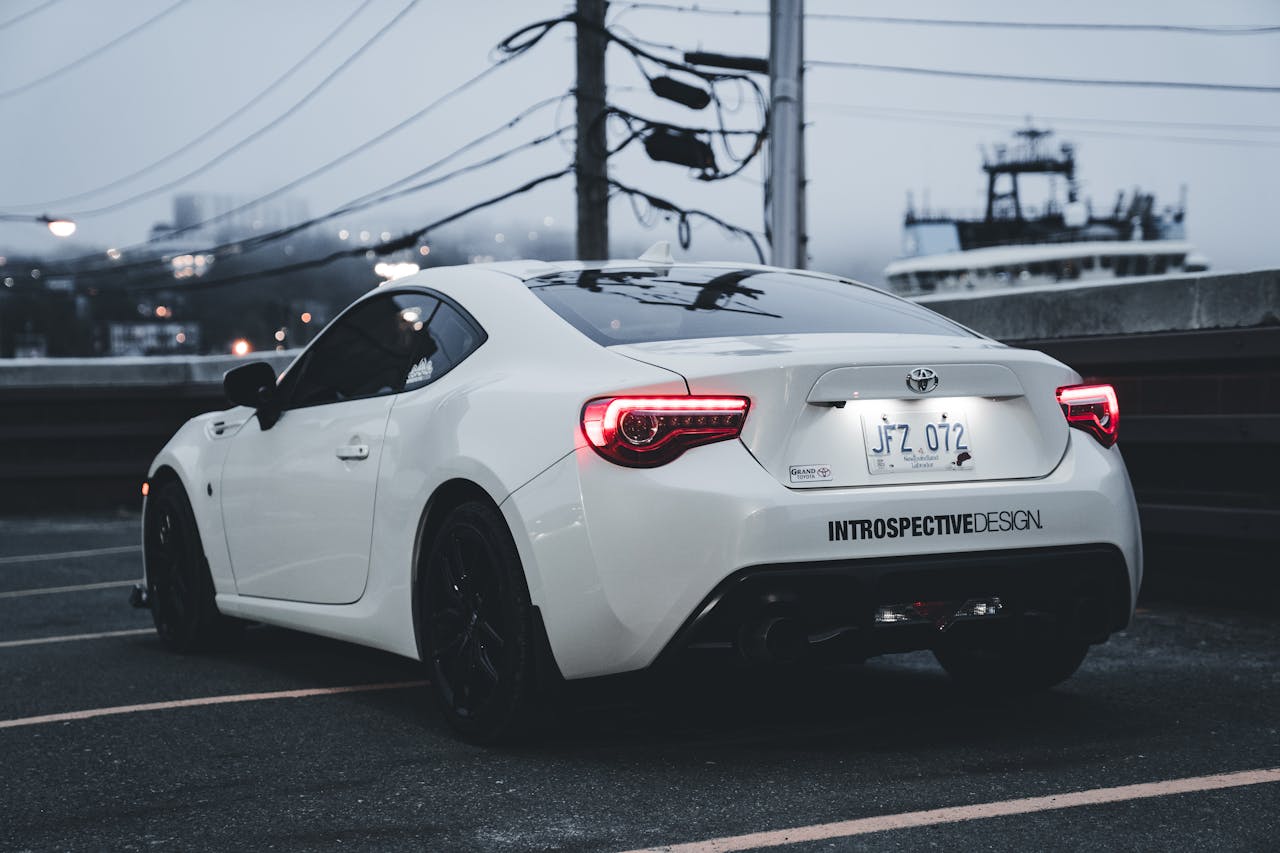
You’re driving through Long Island one night and you start to notice a soft flickering in your rearview mirror. It’s subtle at first, but after a few more turns, it becomes clear your Toyota’s taillights are acting up. A flickering taillight at night isn’t just annoying, it’s a safety concern. On dark roads or during foggy evenings, taillights help other drivers see your vehicle. When they don’t work right, things can get risky pretty fast.
Flickering taillights don’t always mean something major is wrong, but they shouldn’t be ignored either. From something simple like a worn-out bulb to more complex electrical problems, several things can spark this issue. This article covers the common causes and how to approach solving the problem before it affects your safety.
Common Causes of Flickering Taillights
If your Toyota’s taillights flicker, it might feel random, but the cause can often be narrowed down to just a few common problems. These are typical in older vehicles but can also affect newer models if the maintenance hasn’t been kept up.
1. Battery Issues: An aging or weak car battery is one of the most common reasons for flickering taillights. If the battery struggles to deliver consistent power, your lights will be among the first systems to show signs of trouble.
2. Wiring Problems: Loose or damaged wires can interrupt the steady flow of electricity. This can cause lights to blink off and on, especially if you hit a bump or turn sharply.
3. Faulty Bulbs: Just like any other lightbulb, taillight bulbs wear down over time. They may still light up, but not consistently. If a bulb is close to burning out, you might see it flicker now and then, which is a clue it’s time for a replacement.
Each of these issues can cause a small flicker that grows into a bigger problem, especially when driving in the dark or poor weather. It’s always safest to check things out quickly rather than wait.
Troubleshooting Battery and Wiring Issues
If you see flickering, start by taking a look at your Toyota’s battery and wiring. These are the two most common sources for electrical hiccups that show up as light issues.
Your battery should be the first stop. If your taillights seem to flicker more when idling or driving at low speeds, it could mean the battery isn’t holding a full charge. That might also show up as dim interior lights or a slow-responding dashboard screen. To assess the battery:
- Check the battery age. Most only last about three to five years.
- Inspect the terminals for signs of corrosion or buildup.
- Make sure the battery cables are tightly connected.
If the battery looks fine, take a glance at the wiring. This might require opening your trunk and peeking behind panels or near the light housings. Look for:
- Exposed or frayed wires
- Burn marks or a melting smell near connections
- Loose plugs that shift easily if touched
One incident on Long Island involved a driver dealing with lights that flickered only when turning. The culprit was a barely visible cut in a wire near the trunk hinge. Every time the trunk moved slightly, the connection would drop. These little causes can slip through unnoticed unless you dig around or talk to a technician.
If nothing obvious turns up and the flickering keeps up, it’s likely time to have the system tested with professional tools. Trying to fix wiring without training risks bigger problems down the line.
Inspecting and Replacing Faulty Bulbs
If power supply issues aren’t to blame, then the next suspect is the bulb itself. Older or cheap bulbs tend to degrade quickly and may start to glow unevenly long before they go dark entirely.
To begin, turn your Toyota’s lights on and do a walk-around. Watch for signs like dimness compared to the opposite side or flickering as the engine runs. A blinking turn signal can also point to a taillight that’s starting to fail.
To inspect your taillight bulb:
1. Open the trunk or hatch and find the panel behind the taillight.
2. Remove the access cover to reach the light socket.
3. Twist the bulb holder free and pull the bulb straight out.
4. Look at the bulb. If it has dark spots, cloudy areas, or visible breaks in the wire inside, it’s on its way out.
Replacing bulbs is usually simple across most Toyota models. The key is choosing a quality bulb built for your vehicle. Generic ones might be cheaper, but they often flicker or burn out quicker, and in some cases, they can pull inconsistent voltage that stresses the wiring system.
Also, be on the lookout for any moisture inside the lens cover. Water vapor or condensation means the seal may be broken, which can ruin bulbs long before their expected life. If you notice this, mention it next time you bring your Toyota in for service.
Professional Help and Routine Maintenance
Sometimes, even after checking the battery, wiring, and bulbs, the flickering sticks around. At that point, it’s time to let the pros look under the hood, especially if the issue is tied to your vehicle’s fuse box or onboard control systems. These require diagnostic tools that aren’t available at home.
That’s when bringing your Toyota to Atlantic Toyota can give you peace of mind. Our trained technicians can run complete diagnostics, find hidden wiring issues, and replace faulty parts using equipment designed for your vehicle.
To keep things in working order all year long, consider regular checks. Small habits keep flickering taillights and other lighting problems from sneaking up on you.
Here are a few you can add to your routine:
- Walk around your car monthly while the lights are on to spot dim or flickering bulbs.
- Test your battery at regular intervals, especially before colder months.
- Keep taillight covers clean for better visibility.
- Avoid touching bulbs with bare hands. The oils from your skin can create heat spots and shorten the life of the bulb.
- Ask to include wiring checks during scheduled service appointments.
In Long Island, weather conditions can hit both older and newer Toyotas harder than expected. Cold snaps weaken batteries quickly. Wet conditions corrode exposed wiring. Road salt gets inside seals. These small weather impacts build up over time unless caught early.
Keeping Your Toyota Safe on Long Island Roads
Flickering Toyota taillights might feel like a minor inconvenience, but they can turn into a bigger trouble spot if left unchecked. Night driving or foggy commutes demand dependable rear lighting, and even a small blink at the wrong moment can throw off someone behind you.
Knowing what to look for—like old batteries, poor wiring, or dying bulbs—lets you act smarter and quicker. And if you’re unsure or spot symptoms of a worsening problem, schedule a visit with our team. We can check everything thoroughly and help prevent those flickers from becoming a hazard.
A little attention goes a long way, especially during chilly Long Island months when the stress on vehicle electronics is higher. Take care of your Toyota, and it will take care of the road ahead.
If you’re experiencing flickering issues with your taillights, it’s time to get expert help from Atlantic Toyota. Ensure your vehicle’s safety and performance with our dedicated team ready to assist you with any taillight concerns. Book your appointment today for professional service on Toyota taillights in Long Island and drive with confidence knowing you’re well taken care of.
Connect with us

Recent Blog Entries
- Why Toyota Fuel System Service in Long Island Gets More Important in Spring
- What Toyota Wiper Blades in Long Island Do for Rainy Spring Days
- Spring Ready Toyota Air Filter Replacement in Long Island Explained
- Choosing Toyota Floor Mats in Long Island for Wet and Muddy Seasons
- Why Toyota Oil Filters in Long Island Matter for Early Spring Engines