


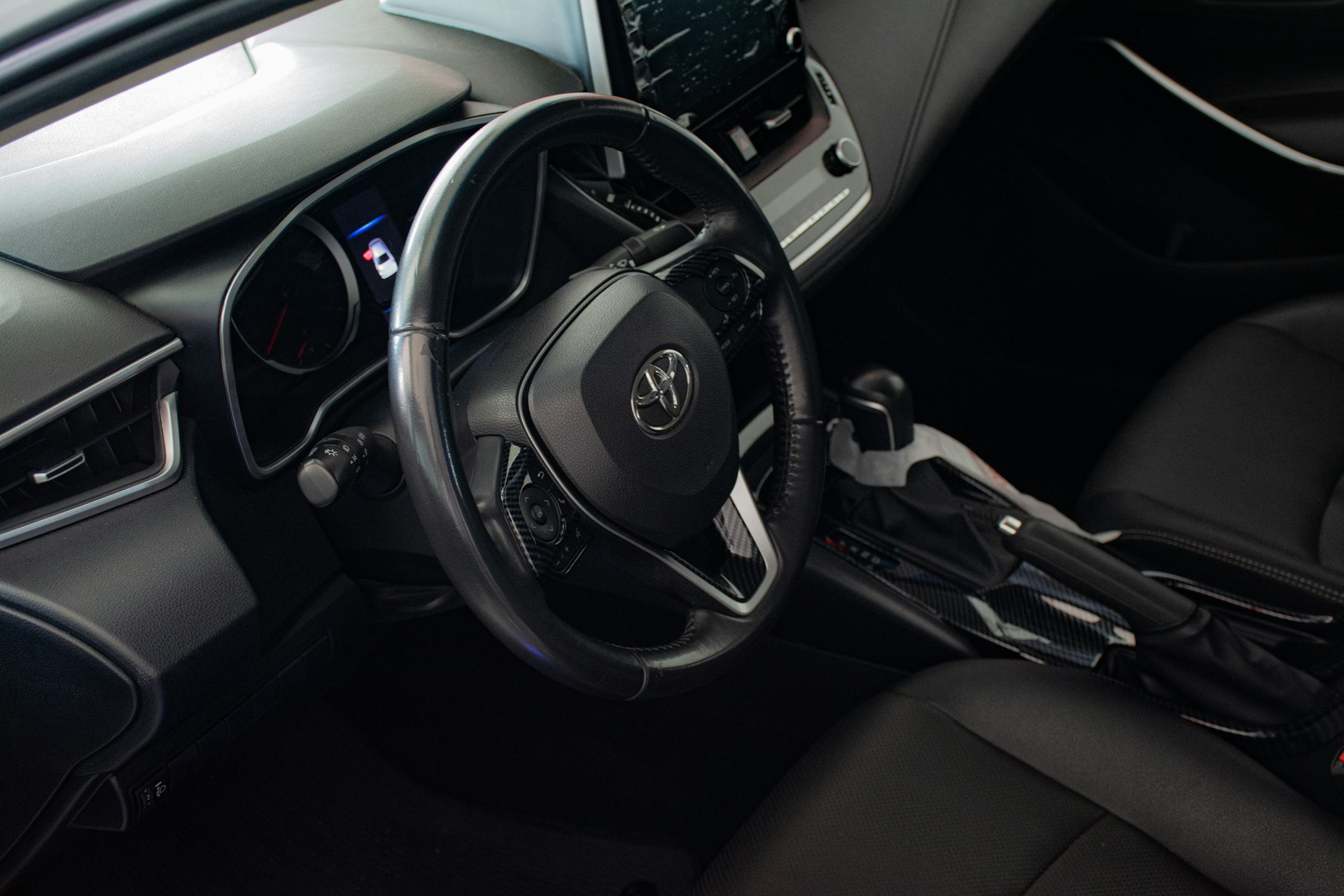
Long Island drivers know how quickly the weather can shift throughout the year. Rainstorms in the spring, sticky summer days, leafy fall roads, and snowy winters mean local driving conditions are always changing. That’s why picking the right floor mats for your Toyota can make a big difference. It’s about more than just keeping your car clean; the right floor mats guard your interior and make each drive more comfortable, no matter what the forecast looks like.
Whether you’re commuting down Sunrise Highway or heading to the beach, your floor mats put in work year-round. While most drivers think of them as an afterthought, they actually serve as one of the first lines of defense for your car’s interior. They help catch everything from rainwater and clumps of sand to salt from winter roads. Picking mats that match the weather doesn’t just keep the car tidy; it also keeps your pedals from getting slippery and your floors from wearing out fast.
The Role Of Floor Mats In Different Weather Conditions
Weather plays a big part in how your car’s interior holds up, especially in a place like West Islip, where the seasons hit hard. Floor mats might seem like a small detail, but they carry a lot of the mess that finds its way in with your shoes.
Here’s how weather affects what kind of floor mats you’ll want to use:
- Moisture: Rain, snow, and slush can soak into traditional carpet mats, leaving behind smells and stains. Wet mats take forever to dry and may lead to long-term damage to the floor underneath.
- Mud and Dirt: After a rainstorm or a walk through the park, your shoes can track in mud and gravel that gets ground into the fibers of the mat. Over time, that kind of wear dulls down both mats and carpet.
- Leaves and Debris: In the fall, leaves stick to shoes and break into tiny pieces inside the car. These can start piling up quickly and clog the area around your pedals if you don’t have mats that are easy to clean.
If you’ve ever gotten into your car after stepping in a puddle or snowbank, you know how easy it is for water to pool under your feet. That’s where high-quality mats come in. They’re made to form a barrier between your shoes and your carpet, helping your vehicle stay in good shape season after season.
Types Of Toyota Floor Mat Materials
There’s a lot more to floor mats than just fit or brand. The material makes all the difference. Some are better for dry roads, others are better when the weather turns messy. Here’s a breakdown of common options that Toyota drivers around Long Island might want to consider:
1. All-Weather Mats
Built to handle everything from snow to spills. These mats usually have deep grooves to trap liquid, dirt, and debris. They’re tough, flexible, and ready for unpredictable weather. All-weather mats are a solid pick if you’re looking for something with year-round coverage.
2. Carpet Mats
These feel nice under your feet and add a bit of warmth and polish to your car’s interior. They work well when conditions are dry and clean, like during the late spring or summer. But they’re harder to keep clean and aren’t the best during wet or muddy months.
3. Rubber Mats
Made for quick cleanups and rough weather. Rubber mats are strong and usually come with raised edges to help keep water and slush off the carpet. They’re perfect for West Islip winters when road salt and snow start kicking up.
4. Vinyl Mats
These are easy to wash and usually cost less than rubber or all-weather versions. Vinyl mats are good for wet conditions and frequent spills, but they aren’t as durable long-term. They work better as a light-duty option.
Choosing the right one comes down to how and where you drive. For example, drivers heading into NYC or around Suffolk County all winter will get more mileage out of rubber or all-weather mats, while someone making short trips during the dry summer can safely stick with carpet versions.
Seasonal Recommendations For Toyota Floor Mats In Long Island
Weather across Long Island can shift from humid to icy in a matter of weeks. Having floor mats that work with each season makes it easier to keep your Toyota cleaner and more comfortable to drive. Here’s a look at which materials are better suited for each time of year.
- Spring and Summer: As temperatures rise, so does the chance of dragging in sand, pollen, and small pebbles. During these months, carpet mats offer a soft look and feel that fits with the lighter weather. If you’re heading to the beach regularly or dealing with lots of sand, all-weather mats can prevent grit from wearing into the carpet.
- Fall: Rainstorms and falling leaves bring their own set of challenges. Rubber mats do a great job at stopping soggy leaves and gritty soil from spreading across your floor. Vinyl mats can handle the messes, too and are easy to rinse off if you’re in and out of muddy parking lots or leaf-covered areas.
- Winter: Snow, salt, and slush are common across Long Island in colder months. Mats made from rubber or all-weather materials are the best for trapping moisture and keeping road salt from eating away at your carpet. These mats usually stay in place better, too, when boots and heavy shoes become part of your daily wear.
Think about your driving habits, where you park, and what your shoes usually bring in during each season. Swapping your floor mats based on the time of year isn’t overkill. It helps extend the life of your vehicle’s interior and keeps cleanup simpler.
Maintaining Your Toyota Floor Mats
Taking care of your floor mats keeps them working longer and looking better. Even the most rugged mat can wear down if it sits full of dirt or grime for too long. A regular cleaning routine and some spot-checks throughout the year will make sure they offer the protection they’re designed for.
Here are a few simple steps to keep your mats in good shape:
1. Shake Them Out Weekly
Small pebbles, dirt, and crumbs can pile up quickly. A quick shake before vacuuming your floorboards helps avoid buildup.
2. Wash Them Monthly
Use a hose for rubber, vinyl, or all-weather mats. Carpet mats can be vacuumed and spot-cleaned with mild soap. Let them dry completely before putting them back to stop mold or mildew.
3. Check for Cracks or Curling Edges
Over time, the corners of floor mats can curl or warp, especially when exposed to extreme heat or cold. If they no longer sit flat or start to feel brittle, it may be time to replace them.
4. Rotate If Needed
If your mats aren’t designed for specific positions (like driver or passenger side), flipping or rotating them can balance out wear and extend their use.
5. Use Mat Anchors
Loose mats, especially under the driver’s side, can be a safety risk. Many Toyotas have retention clips. Use them. If your mats shift when you drive, inspect the backing and anchoring system.
Letting your mats go too long without attention lets dirt grind into both the mat and the carpet underneath. A little upkeep goes a long way toward keeping both looking new.
Is It Time for New Floor Mats?
Whether you’re bracing for another Long Island winter or prepping for summer day trips, choosing the right floor mats makes a clear difference. Conditions change fast, and upgrading to mats that match the season helps protect your interior, preserve comfort, and simplify cleanup. If your current mats are worn, faded, or just not cutting it anymore, it’s a good time to explore your options with someone who knows the types that fit your Toyota and Long Island roads best.
Discover the best way to keep your ride looking sharp and lasting longer by choosing the right Toyota floor mats in Long Island for your needs. Whether you’re dealing with summer sand or winter slush, having the right mats makes every drive more comfortable and helps protect your car from seasonal messes. For reliable support and guidance, count on the team at Atlantic Toyota to match you with mats that work best for your lifestyle and weather.
Connect with us

Recent Blog Entries
- Why Toyota Fuel System Service in Long Island Gets More Important in Spring
- What Toyota Wiper Blades in Long Island Do for Rainy Spring Days
- Spring Ready Toyota Air Filter Replacement in Long Island Explained
- Choosing Toyota Floor Mats in Long Island for Wet and Muddy Seasons
- Why Toyota Oil Filters in Long Island Matter for Early Spring Engines