


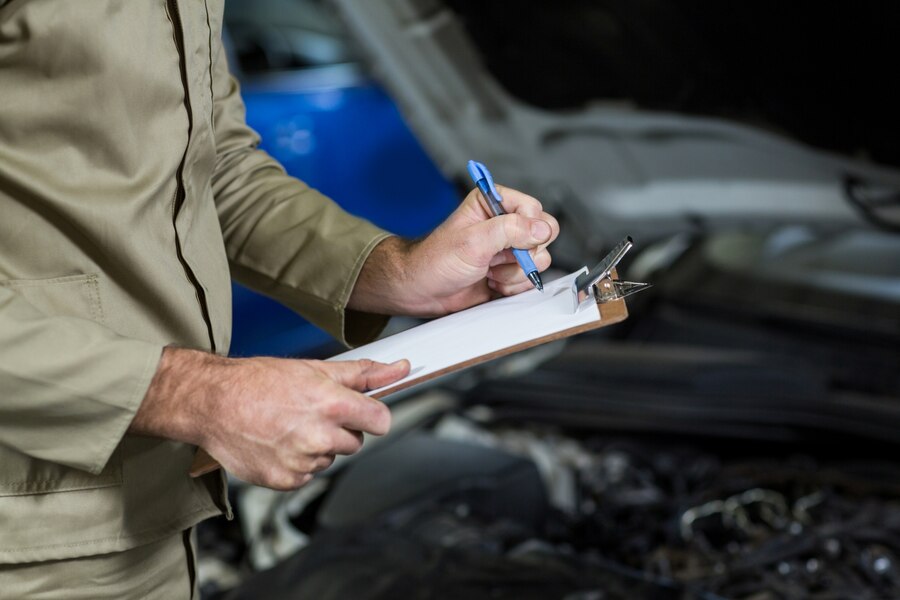
Buying a used car can be a smart way to save money, but it requires careful inspection to ensure you’re getting a good deal. Without checking the car thoroughly, you might end up with surprises that could lead to expensive repairs down the road.
Start by taking a close look at the car’s exterior and interior. This helps you spot any obvious problems like rust or worn seats that could affect the car’s value. Then, make sure to pop the hood and inspect what’s underneath. Check for leaks or other signs of trouble that might not be visible at first glance.
A test drive is another essential step, giving you a feel for how the car performs on the road. Pay close attention to how it handles and listen for any odd noises. Finally, reviewing the car’s history and documents can reveal if it’s had past issues or if it has been well-maintained. Following these key steps can help you make a confident and informed decision.
Exterior and Interior Inspection
Begin your inspection by thoroughly examining the car’s exterior. Take a walk around the vehicle and carefully check for rust spots, dents, and any signs of uneven paint. Rust can be a significant issue, especially if it’s found on the car’s body or structural components, as it may indicate deeper problems. Dents might not affect the car’s function, but they can certainly reduce the vehicle’s resale value. Uneven paint may suggest previous accident damage that was not professionally repaired.
After you’ve checked the body, turn your attention to the tires. Examine them for signs of wear like uneven tread patterns, which might indicate alignment issues. Also, ensure the tires are properly inflated. Tires in good condition are essential for safe driving and can affect fuel efficiency.
Moving to the interior, open the doors and inspect the condition of the seats. Look for rips, tears, or excessive wear that may require repairs. Check the functionality of the seat adjustments and ensure they can move smoothly. Explore the dashboard and controls; try all the buttons and switches to verify they work correctly. Don’t forget to check the car for any unusual odors. Strange smells could point to issues like mold or previous owners that smoked, impacting the car’s comfort and air quality.
Under the Hood
Lift the hood to get a look at what’s happening inside. Start by inspecting the engine bay for any signs of leaks, which could suggest problematic seals or gaskets. Look for dark or wet spots that indicate fluid loss. Next, examine the belts and hoses for wear or cracking. These components are crucial for the engine to function properly and should be in good condition.
Checking fluid levels is another vital step. Pull out the dipstick to assess the oil level and condition; the oil should be free of debris and at the correct fill line. Low or dirty oil might suggest that the car isn’t receiving regular maintenance. Similarly, pop the caps on the coolant, brake fluid, and transmission fluid reservoirs to ensure they are filled to the appropriate levels.
The battery is another key component under the hood. Look at its condition to ensure it doesn’t have corrosion or buildup around the terminals. A clean battery with tightly secured terminals is essential for reliable starts and electrical functions. If the battery is dirty or has visible white or blue powder, it might need cleaning or replacement soon.
These inspections don’t require mechanical expertise, but they do demand keen attention to detail. Making sure these areas are in good shape helps you avoid costly problems later and ensures your used car purchase is a smart one.
Test Driving the Vehicle
Taking the used car for a test drive is one of the most telling parts of your inspection. This gives you firsthand experience of how the vehicle performs on the road. Start by checking the car’s handling. Drive at varying speeds to make sure the car accelerates smoothly and feels stable. Pay close attention to the steering response and see if it feels tight and accurate. This will help you notice if there are any alignment issues or problems with the power steering system.
While driving, test the brakes. Check how the car responds when you press down on the brake pedal. It should be firm and stop the car smoothly without any unusual noises. Grinding or squeaking could indicate worn brake pads or rotors. Evaluate the car’s performance on different surfaces to ensure consistency in braking effectiveness.
As you drive, listen for any unusual noises, especially when accelerating or braking. Sounds like knocking, rattling, or whining could signal problems with the engine, suspension, or transmission. Also, test all the electronic features, including the lights, indicators, and the sound system, to confirm that everything functions correctly. Small issues with electronics can sometimes lead to larger electrical problems if not addressed early.
Reviewing Vehicle History and Documentation
After the physical inspections and test drive, reviewing the vehicle’s history and documentation is crucial. Begin by obtaining a comprehensive vehicle history report. This report provides valuable information, including any past accidents, repairs, and how many previous owners the vehicle has had. It serves as an important tool to verify that the car doesn’t have a hidden past that could cause future issues.
Next, examine the car’s service records. These documents confirm whether the previous owners have kept up with regular maintenance. This can include oil changes, tire rotations, and other routine services. Consistent maintenance records usually suggest that the car has been well-cared for, reducing the risk of unforeseen mechanical problems.
It’s also wise to check if there are any recalls on the car model and ensure those recalls have been addressed. A quick search online or a call to the manufacturer can provide this information. Unresolved recalls can pose safety risks and might require immediate attention before proceeding with the purchase. These documents give you peace of mind about the car’s background and future reliability.
Final Thoughts
Inspecting a used car thoroughly before purchasing is essential to ensure you are making a wise investment. By following these crucial steps, such as evaluating the car both inside and out and covering all essential mechanical components, you reduce the risk of future problems. A detailed inspection process helps reveal potential red flags that could lead to costly repairs if overlooked.
Taking your time during the inspection and asking questions when in doubt are important steps in the buying process. Compare findings from multiple cars if needed, as this could give you a benchmark for what to expect from cars in similar conditions. It’s always better to be cautious and informed rather than rushing into a decision without full confidence.
When you’re ready to look at used Toyotas, visit Atlantic Toyota in West Islip, NY. Our team is here to help you find the perfect used vehicle while ensuring it meets all your expectations for quality and reliability. Come explore our quality selection and take a test drive today. We believe you’ll find just what you’re looking for, backed by our trusted expertise in every vehicle.
Connect with us

Recent Blog Entries
- Why Toyota Fuel System Service in Long Island Gets More Important in Spring
- What Toyota Wiper Blades in Long Island Do for Rainy Spring Days
- Spring Ready Toyota Air Filter Replacement in Long Island Explained
- Choosing Toyota Floor Mats in Long Island for Wet and Muddy Seasons
- Why Toyota Oil Filters in Long Island Matter for Early Spring Engines