


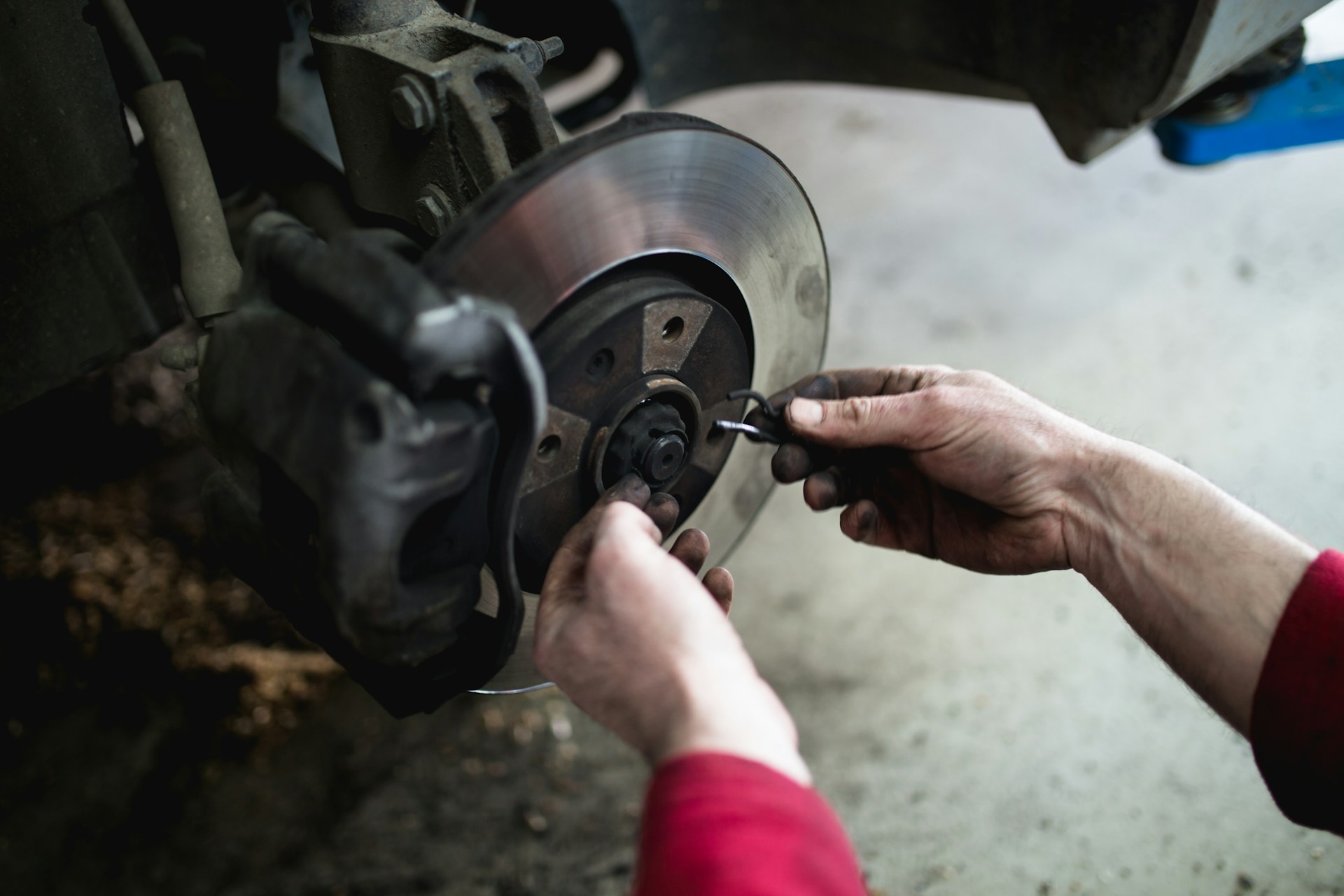
Brake pads play a crucial role in ensuring your vehicle’s safety, yet they often go unnoticed until there’s a problem. These components are responsible for providing the friction necessary to stop your vehicle. Without them in proper working order, driving can quickly become hazardous. Understanding the importance of brake pads and knowing how to identify and fix potential issues can make a significant difference in your driving experience.
Toyota brake pads, like any other brand, can face several common issues. From unusual noises to longer stopping distances, these signs can indicate bigger problems down the road if not addressed promptly. By focusing on these common issues and offering practical tips for fixing them, we aim to help you maintain your vehicle’s safety and performance. Here, we’ll explore these challenges in more detail and guide you through steps to troubleshoot and resolve them effectively.
Signs of Worn-Out Brake Pads
Identifying worn-out brake pads is easier than you might think. Paying attention to the following signs can help you catch problems early, ensuring that your car stays safe and reliable:
- Squeaking or Squealing Noises: This is often one of the first signs that the brake pads are starting to wear down. When you hear these noises while pressing the brake pedal, it’s time to have your brakes inspected.
- Longer Stopping Distances: If you notice that your car isn’t stopping as quickly as it used to, this could be a sign that the brake pads are thinning and losing their grip.
- Vibration in the Brake Pedal: Feeling a vibration when you press the brake pedal can indicate uneven wear on the brake pads, which needs immediate attention.
- Visible Wear: You can visually inspect your brake pads by looking through the wheel spokes. If the pads appear thinner than a quarter of an inch, they are due for replacement.
To ensure your brakes are always in top condition, check your brake pads regularly. Aim to inspect them every 10,000 miles or during regular vehicle maintenance checks. Keeping an eye on these symptoms will not only help maintain your vehicle’s safety but also prevent more extensive damage to the brake system.
In regions like Long Island, where drivers frequently encounter stop-and-go traffic, keeping a close watch on brake pad health is even more important. Regular awareness and inspection can mean the difference between a minor fix and a major repair. So, whenever you notice these warning signs, consider seeking professional advice to address any issues before they escalate.
How to Inspect Your Toyota Brake Pads
Inspecting brake pads may sound intimidating, but with the right approach, it can be straightforward. Here’s how you can safely carry out an inspection:
1. Gather Your Tools: You’ll need a flashlight, a set of car jacks, safety gloves, and possibly a wrench to remove the wheels.
2. Secure the Vehicle: Make sure your car is parked on a flat surface. Engage the parking brake, and if possible, place wheel chocks behind the tires.
3. Lift the Car: Using the car jack, lift the vehicle and securely support it with jack stands. Safety is key, so double-check the stability before proceeding.
4. Remove the Wheel: If your car model requires it, take off the wheel using the wrench. This might not always be needed, as some cars allow you to see the brake pads through the wheel spokes.
5. Inspect the Brake Pad: With a flashlight, check the thickness of the pad. They should be more than a quarter of an inch thick. Anything less indicates the need for a change.
6. Check for Wear and Surface Condition: Look for any uneven wear, glazing, or cracks. These signs could mean issues that need attention.
7. Repeat for Each Wheel: Don’t forget to inspect all four wheels to catch any inconsistencies between them.
Regular inspection allows you to address minor problems before they can develop into major ones. This practice not only ensures safety but also extends the lifespan of other brake components.
Common Brake Pad Issues and Their Solutions
Brake pads can experience a range of issues. Here are some common ones along with practical solutions:
- Uneven Wear: Often caused by a misalignment in the braking system. When noticed, it’s best to have a professional realign the brakes to prevent further damage.
- Glazing: This happens when the brake pads become too smooth due to overheating. If you find glazing during inspection, replacing the pads is the best option.
- Material Degradation: Due to age or environmental factors, brake pad materials can break down. Regular checks will help you catch this early for timely replacement.
Understanding the causes is also important. Excessive braking in traffic, heavy loads, or frequent driving on hilly terrain can hasten wear. Being mindful of these factors helps in managing your brake pad health better.
Importance of Regular Brake Maintenance
Keeping your brake system in check is crucial for both performance and safety. Regular maintenance offers several benefits:
- Enhanced Safety: Well-maintained brakes ensure that your car stops effectively, reducing the risk of accidents.
- Extended Component Life: Routine checks can prevent early brake pad wear, saving you money on larger repairs.
- Consistent Performance: Regularly maintained brake systems operate smoothly, providing a better driving experience.
In places like Long Island, where traffic conditions can be challenging, regular brake maintenance is indispensable. It keeps your vehicle reliable and safe, making everyday drives a breeze.
Keeping Your Toyota Safe on Long Island Roads
Paying attention to brake pad health is more about prevention than anything. When you promptly identify and tackle problems, your vehicle’s safety and integrity remain intact. Regular maintenance not only protects you on the road but also fosters confidence in all driving conditions. Familiarize yourself with the common issues and conduct routine checks to ensure your Toyota remains a safe companion on every journey.
Taking these steps will certainly make a noticeable difference to how your car performs, ensuring you enjoy smooth driving, with confidence that your vehicle responds when you need it to. For residents of West Islip and the surrounding areas, prioritizing brake maintenance aligns with the practicalities of daily commuting and varying driving environments.
Maintaining the performance and safety of your vehicle is within reach when you pay attention to the health of your brake pads, especially in busy environments like Long Island. For expert guidance and services for Toyota brake pads in Long Island, trust the experience at Atlantic Toyota. Schedule your appointment today and ensure your car is ready for the road ahead.
Connect with us

Recent Blog Entries
- Why Toyota Fuel System Service in Long Island Gets More Important in Spring
- What Toyota Wiper Blades in Long Island Do for Rainy Spring Days
- Spring Ready Toyota Air Filter Replacement in Long Island Explained
- Choosing Toyota Floor Mats in Long Island for Wet and Muddy Seasons
- Why Toyota Oil Filters in Long Island Matter for Early Spring Engines