


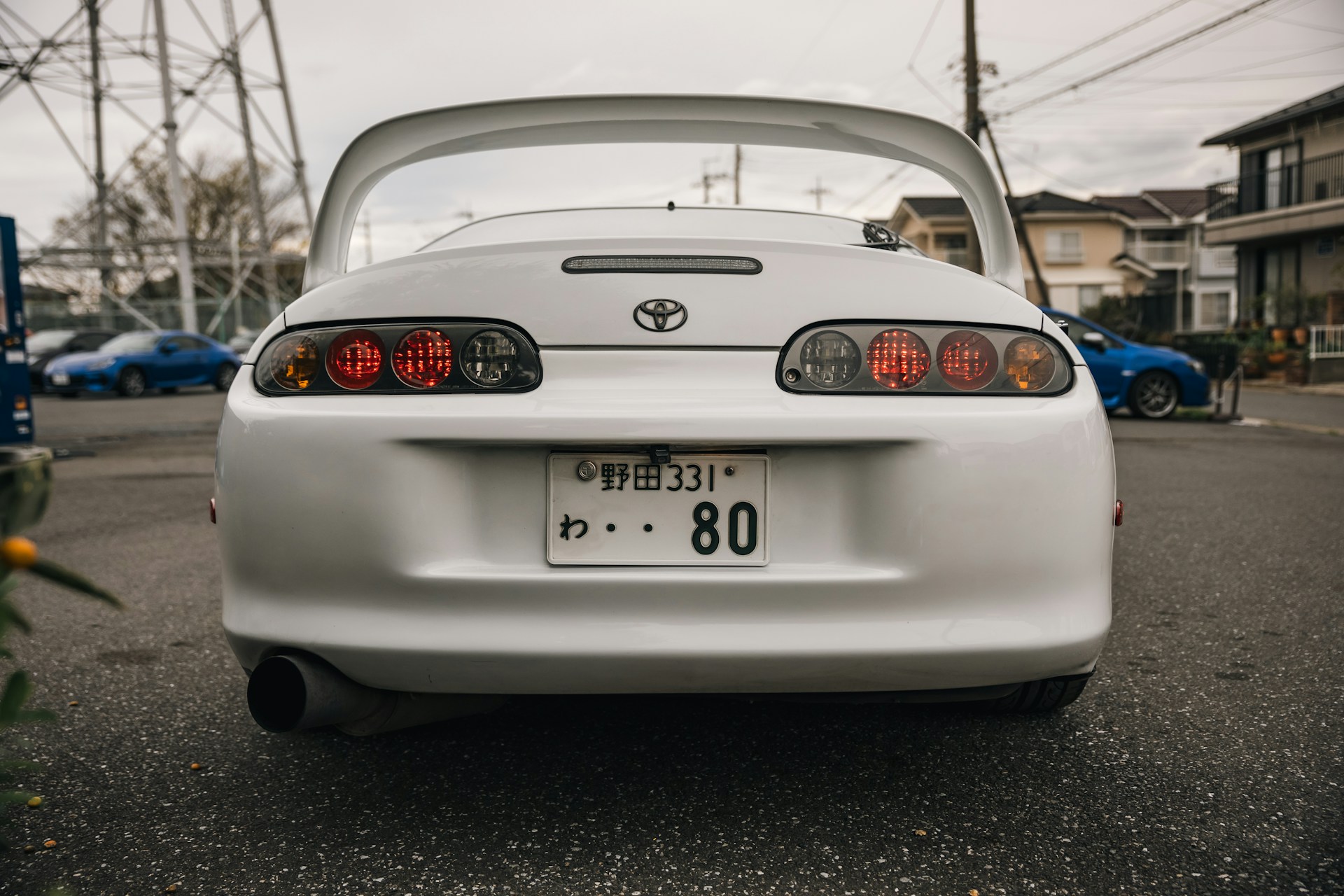
Spring hits differently on Long Island roads. For a lot of us, the days get longer, the weather shifts between sun and drizzle, and the traffic picks up, fast. Between school recitals, weekend errands, and early-season road trips, we find ourselves relying on our vehicles more. That means our taillights are working overtime but not always getting the attention they need.
Toyota taillights in Long Island can take a beating during winter without showing signs right away. Cold temperatures and road salt can wear them down quietly. By the time March rolls around, those small issues start to show, dimmer lights, moisture buildup, or bulbs that flicker unpredictably. Since spring invites more driving, these problems tend to surface at the worst time. It’s the kind of thing many drivers overlook until a warning ticket lands on the dash or another car honks because of a missed turn signal.
We’re lining up a few things to know about what spring weather does to taillights and what to watch out for as the season picks up.
How Spring Weather Impacts Rear Lighting
We hear a lot about how winter damages cars on the outside, but the leftovers from that season often show up later. Spring weather brings on warmer temps, but it also introduces sudden rain, shifting road grime, and leftover salt, which all mess with lighting.
- Colder days during winter may have cracked seals around taillight housings, making it easier for spring showers to seep in
- Older taillight lenses can cloud up with trapped moisture, especially after icy nights give way to mild mornings
- Salt that was used for snow removal doesn’t just vanish, it often sticks along your car’s rear panels and can slowly eat away at plastic or rubber surfaces
Dry days hide a lot of this damage, but once the rain moves in or you hit a pothole, those weak spots can create electrical trouble or reduce visibility.
Common Issues with Toyota Taillights Over Time
Taillights are dependable, up until the moment they’re not. Most of the time, they slip under your radar because they don’t give off smoke or noise when things start going wrong. Instead, the problems come in quiet signs during your daily schedule.
- Burned-out bulbs are often overlooked unless someone behind you points it out or you’re up for inspection
- Electrical wear can cause a taillight or turn signal to operate off rhythm, sometimes blinking too fast, not at all, or at the wrong brightness
- As taillight covers age, they can crack, grow cloudy, or turn yellow, making the light harder to see when driving through fog or heavy rain
These changes often build over a few seasons. Spring’s longer daylight can give a false sense of all’s well, but it’s actually the best time to check, before longer drives increase any strain already there.
What Taillight Symptoms to Watch for This Spring
When daylight hangs longer into the evening, we don’t notice our taillights as much during regular use. That makes it easy to miss signs of trouble, especially if the lights are working part-time without drivers knowing it.
- Brake lights that delay or glow less brightly than they used to
- Turn signals that flash too fast or fail to trigger the dashboard indicator
- Water or fog condensation collecting inside the taillight housing after a rainstorm
- Lights that seem fine when idle, but flicker out while driving or when using other electrical systems
Spring’s shifting temperatures and wet road conditions mean these issues can go from minor to major quickly. We recommend doing simple observations while parked or while cleaning the car. A walk around the back of your Toyota during startup or while the brake pedal is pressed can catch a problem early.
Why Timely Repairs Matter in Long Island Traffic
Traffic doesn’t wait for small problems. And in Long Island, spring often means more cars on the road again. From field trips to weekend pickups and early beach traffic, a faulty taillight can become more than an annoyance.
- Broken brake lights or unresponsive turn signals increase the risk of getting rear-ended
- Faulty rear lighting can lead to traffic stops and fines, especially as inspections roll in with the new season
- More daylight doesn’t erase the need for functional lights, cloudy afternoons, sudden fog, and evening sports runs still mean lights matter
If you’re driving in areas like Sunrise Highway or using West Islip side streets during high congestion hours, a misread rear light can easily lead to missed guesses and near misses.
When Wear Goes Beyond the Bulbs
Sometimes replacing the bulb doesn’t do the trick. What’s happening under the surface may come from months of exposure to wet weather, sub-freezing temps, or even a small rear-end bump that knocked something loose.
- Wiring harnesses or plug connectors may have corrosion from salt exposure during winter
- Mounting brackets could be bent or broken, keeping taillights from staying lined up flush with the body
- Small parking bumps or icy slides from earlier in the year may have damaged rear panels, loosening taillight fit without making it obvious
If you’ve swapped bulbs and the issue sticks around, the fix may lie behind the surface. Spring is when those old winter collisions, big or small, show their longer effects.
Keep Your Visibility Strong Through Spring
Toyota taillights in Long Island work harder this time of year than most realize, especially with all the stop-and-go that spring brings. Wet mornings, heavy afternoon traffic, and weekend getaways all add up to more use, and more risk of failure if something gets ignored.
- Inspecting taillights for haze or cracks now can avoid surprises later in the season
- Dealing with flickers or dim light behavior early helps keep commutes safe, especially for multi-driver households
- When lighting works properly, it makes communication with other cars clear and direct, removing the guesswork from a crowded road
We count on clear lights every time we press the brake or flip that turn signal. Spring just happens to be the moment when small wear becomes noticeable. Keeping taillights working well means fewer delays, better visibility, and less chance of confusion out there on the road.
When brake lights appear dim or turn signals start acting up, moisture damage or the effects of a hard winter could be to blame. Our skilled technicians at Atlantic Toyota are here to make sure your vehicle’s rear lighting is working properly as spring arrives. We know that small issues with Toyota taillights in Long Island can lead to bigger risks on the road, especially in our local traffic. Reach out to us today and schedule your service for peace of mind this season.
Connect with us

Recent Blog Entries
- Toyota Belts and Hoses in Long Island Seasonal Wear to Watch
- How Toyota Spark Plugs in Long Island Handle Spring Driving Conditions
- Everything to Know About Toyota Taillights in Long Island for Spring
- Are You Ready for New Toyota Cars in Long Island This Spring?
- Why Toyota Fuel System Service in Long Island Gets More Important in Spring