


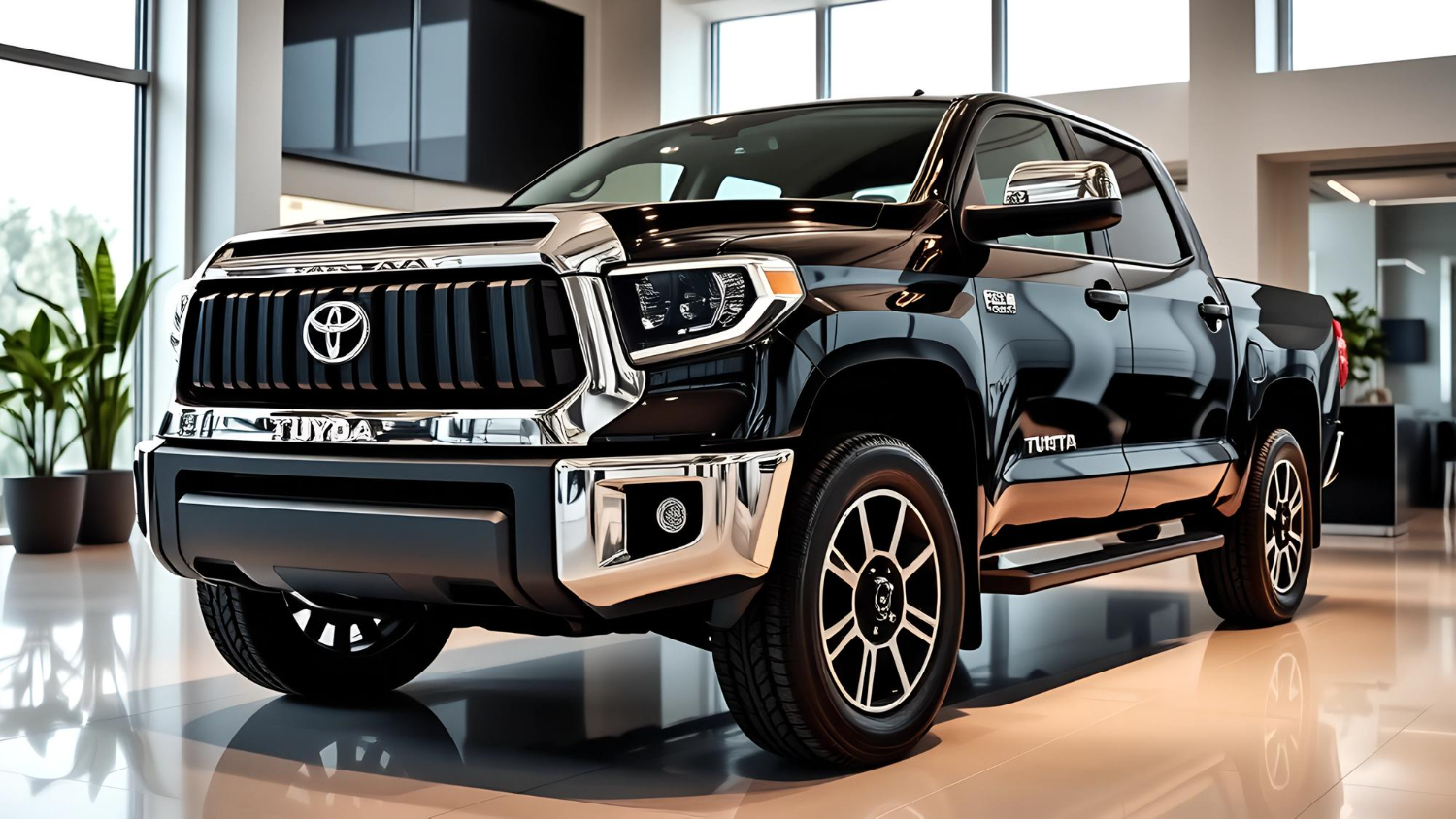
Choosing between new and used Toyota cars can be a bit like deciding between a fresh notebook and one that’s been slightly used but still has blank pages left. Each option has its own perks and drawbacks. If you’re in Long Island, navigating this decision involves thinking about personal needs, financial situation, and perhaps even the environmental impact of your choice. The goal is to match your lifestyle with the right car to get the most out of your investment. Understanding these elements is key to making an informed decision that suits your needs.
To start, it’s about knowing what each option brings to the table. New Toyota cars in Long Island offer a range of latest features, high reliability, and little to no maintenance issues initially. On the other hand, used cars often come at a lower cost with their own set of advantages. Knowing how to weigh these factors can set you on the right path, ensuring your choice aligns with your transportation needs without stretching your budget.
Assess Your Budget
The first step in deciding whether to go for a new or used Toyota is checking your budget. It’s crucial to have a clear picture of your financial abilities and how much you can actually spend on a car without overextending yourself. New cars often come with a higher price tag compared to their used counterparts, which might be appealing if you’re looking to cut costs. However, they also hold value in terms of longer-term durability and lower maintenance requirements.
Consider these components when planning your budget:
- Purchase Price: New cars are typically more expensive upfront. If you can afford a higher monthly payment or have saved enough, this might be the right choice. Used cars usually come with a lower sticker price, making them a tempting option if budgeting constraints are tighter.
- Financing Options: Many dealers offer special financing rates for new vehicles, which could make them more affordable over time. For used cars, you might need a slightly higher interest rate, so explore all your lending options to determine what works best.
- Insurance Costs: Generally, insurance for a new car can be higher because of the value of the vehicle. Older cars usually have lower insurance rates, which might be beneficial if your monthly expenses need trimming.
- Down Payment: Think about how much you can put down upfront. A larger down payment will reduce your monthly payments, regardless of whether you choose new or used.
Breaking it down, if you’re looking at new Toyota cars and worried about cost, consider how new car incentives might bring the price down. It all comes down to what you’re comfortable spending and how long you plan to keep the vehicle. By assessing your budget thoroughly, you’ll be empowered to make a choice that not only fits your financial means but also meets your driving requirements in the long run.
Consider Your Long-Term Needs
When weighing the decision between new and used Toyota cars, it’s important to think about your long-term needs. You want a vehicle that seamlessly fits into your lifestyle and meets future demands. First, identify what you really need from a car. Do you have a growing family, or are you planning more outdoor adventures? These considerations affect your choice greatly.
Buying a new car can offer the latest tech features, giving you advanced tools for both convenience and safety. New models come with updated entertainment systems and enhanced safety features, often paired with comprehensive warranties that provide peace of mind when it comes to unexpected repairs. Newer versions also tend to have better fuel efficiency, which can save you money down the line.
On the other hand, used cars often stand out for their upfront affordability. Lower initial costs can be inviting, especially with used options that still boast many modern features without the premium price tag. While they may not have the newest high-end tech, many pre-owned vehicles provide reliability for the right price, making them a great choice if your budget is more restricted.
Evaluate the Condition and History of Used Cars
Considering a used car? It’s crucial to delve into its history and current condition. This helps ensure you’re getting what you expect and avoids surprises down the road. Here are some steps to guide you:
1. Visual Inspection: Look over the car for any signs of damage or wear. Scratches, dents, or uneven tire wear can indicate previous issues.
2. Vehicle History Report: Obtain a report to see documented histories, like past owners and any recorded accidents. It offers you a glimpse into the car’s past, helping to highlight persistent issues that might not be visible immediately.
3. Mechanical Check: Consider having an independent mechanic inspect the vehicle. They can identify underlying problems that you might miss, offering insights into the car’s true value.
These steps shed light on the condition of a used car, giving you a clearer picture of what you might be getting into. A bit of extra care now can prevent unnecessary hassles later.
Warranty and Maintenance Considerations
Let’s now look at warranties and maintenance—two areas that can have significant effects on your ownership experience. New Toyota cars usually come with comprehensive warranties that cover everything from engine parts to electrical systems. This reduces the financial stress associated with unforeseen repairs and often includes routine maintenance during the initial years.
For used cars, the warranty might be limited or non-existent, depending on the car’s age and mileage. This can lead to more out-of-pocket costs unless you’ve bought a certified pre-owned vehicle that offers additional coverage. Understanding these differences helps manage expenses and maintain the car’s longevity.
Keeping a used car in top shape requires regular check-ups and timely repairs. Consistent maintenance is key to extending the life of any vehicle, whether you’re dealing with oil changes, tire rotations, or brake inspections. Proper care ensures your car remains reliable, saving headaches and money over time.
Make a Decision Based on Research
After considering these factors, it’s time to wrap up your choices. Whether you’re excited about the innovation in new cars or savoring the cost-effectiveness of a used model, ensuring you’ve thoroughly researched is paramount. A well-informed decision helps balance your needs with your budget, leading to satisfaction in the long run. Take every opportunity to test drive your top choices. This firsthand experience brings additional insight, making sure you’re happy with how a car feels and functions before making it your own.
Drive Confidently with Atlantic Toyota
Wrap up your decision by reflecting on the benefits and trade-offs you’ve discovered. The right choice depends on a mix of personal preference, financial stability, and future needs. Whether you decide a new model fits best or a used option is more in line, knowing you’ve considered all aspects empowers you to drive confidently. Long Island offers plenty of options, and with the right prep, you can enjoy your Toyota for years to come.
After considering your budget, long-term needs, and the condition of potential vehicles, you’re poised to make a smart choice. Whether you’re leaning towards the tech-savvy features of a new car or the cost benefits of pre-owned options, research is key. If you’re interested in exploring new Toyota cars in Long Island, Atlantic Toyota has a wide array ready for you to discover. Find the vehicle that perfectly aligns with your lifestyle in Long Island and drive with confidence.
Connect with us

Recent Blog Entries
- Why Toyota Fuel System Service in Long Island Gets More Important in Spring
- What Toyota Wiper Blades in Long Island Do for Rainy Spring Days
- Spring Ready Toyota Air Filter Replacement in Long Island Explained
- Choosing Toyota Floor Mats in Long Island for Wet and Muddy Seasons
- Why Toyota Oil Filters in Long Island Matter for Early Spring Engines