


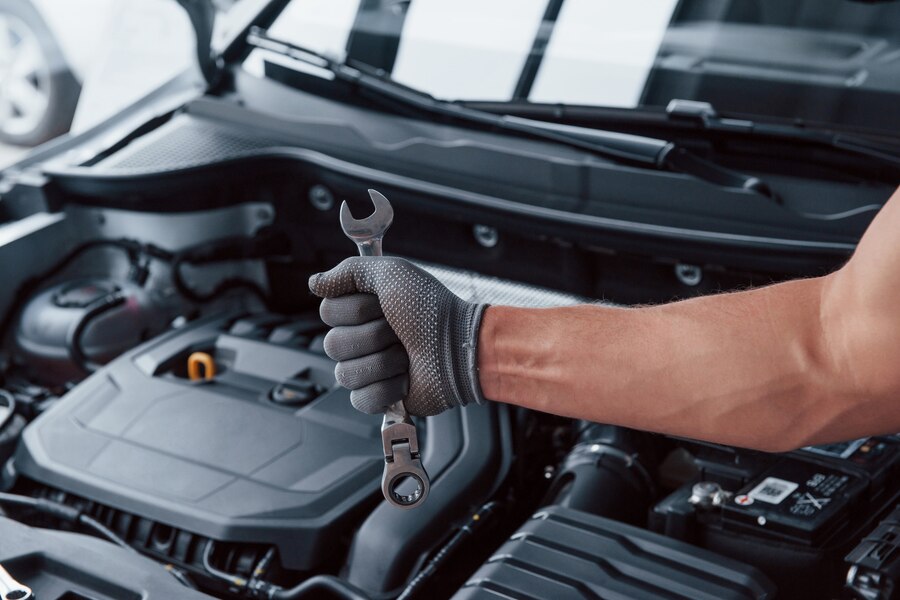
When it’s time to replace parts on your Toyota, you face a choice between OEM and aftermarket options. Both have their own pros and cons that might impact your decision, depending on your specific needs and budget.
OEM parts come directly from Toyota or its partners, promising a perfect fit and high quality. These parts are just like the ones used when your car was new. On the other hand, aftermarket parts are made by other companies and can offer variety and lower costs. They can be a good choice if you’re looking for budget-friendly options.
Choosing the right part type can be challenging, so it’s essential to understand what each option offers. This way, you can make the best decision for your Toyota, ensuring it runs smoothly and safely on the road.
Understanding OEM and Aftermarket Parts
OEM parts, or Original Equipment Manufacturer parts, are made by the manufacturer of your car or its approved partners. In the case of a Toyota vehicle, these parts are engineered to match the original specifications of your car when it was first built. This ensures a perfect fit and the same performance level as the original part. They are often found at dealerships like Atlantic Toyota, guaranteeing you the precise part designed for your vehicle model.
Aftermarket parts, on the other hand, are produced by companies other than the original manufacturers. These parts can offer the same functionality, but they are not subjected to the specifications and quality controls of the car brand itself. Aftermarket manufacturers vary greatly in terms of quality, price, and reliability. Many aftermarket parts are widely available at auto parts stores or online, offering a range of choices from budget-friendly to premium offerings.
Drivers may choose OEM parts for the peace of mind that comes with guaranteed compatibility and reliability. OEM parts are ideal for those who want to maintain their car’s original performance characteristics. However, some drivers might opt for aftermarket parts for various reasons, including lower cost or access to performance enhancements not offered by OEM components. The decision often comes down to the driver’s individual needs and priorities.
Pros and Cons of OEM Parts
OEM parts come with several benefits that appeal to many Toyota drivers. One of the primary advantages is the guaranteed fit and match to the original parts used in your vehicle, which means these parts can be more reliable. You won’t have to worry about compatibility issues, and their higher quality often means a longer lifespan. Another benefit is that OEM parts often include a warranty, providing additional peace of mind.
On the downside, OEM parts can be more expensive compared to aftermarket options. They are usually available only through dealerships, which might limit accessibility for some drivers. Additionally, OEM parts may have longer wait times if they need to be ordered from the manufacturer, especially for less common parts.
Scenarios where OEM parts might be more suitable include maintaining the resale value of your vehicle or when you seek to preserve the manufacturer’s warranty. For example, if you drive a relatively new Toyota and want to keep it running in its factory condition, sticking with OEM parts might be the better option. This ensures you get parts that are specifically designed for your vehicle without compromising on performance or quality.
Pros and Cons of Aftermarket Parts
Aftermarket parts offer several appealing benefits. One of the biggest advantages is cost savings. These parts are often cheaper than OEM parts, making them an attractive option if you’re on a budget. The lower price can be especially beneficial for older vehicles where the car’s total value doesn’t justify expensive repairs. Aftermarket parts also provide a wider selection, allowing you to choose from various brands and styles. This can include options for upgrades or enhancements that aren’t available through OEM selections.
However, there are some potential issues to consider with aftermarket parts. Quality can vary significantly from one manufacturer to another, which can lead to performance issues or even damage if substandard parts are used. Additionally, some aftermarket parts may not include warranties, or they may void your existing car warranty if not used properly. Furthermore, while the variety of choices is often seen as an advantage, it can also be overwhelming, requiring you to research thoroughly to find the right match for your needs.
Choosing aftermarket parts can be wise in cases such as when customizing your vehicle or if you need cost-effective repairs for older cars. If you know your way around car parts or have a trusted mechanic, you might find great deals among aftermarket products. Yet, it’s crucial to prioritize quality and compatibility to keep your Toyota running safely and efficiently.
Making the Right Choice for Your Toyota
Deciding between OEM and aftermarket parts involves weighing a few key considerations. Cost is often the first factor drivers think about. While OEM parts guarantee fit and reliability, they come at a higher price point. Meanwhile, aftermarket parts offer more budget-friendly options but might require extra diligence to ensure quality.
Another important aspect is your vehicle’s age and how you use it. Older vehicles may benefit from the cost savings of aftermarket parts, especially when high precision isn’t as crucial. In contrast, for newer cars or if aiming to maintain factory conditions, OEM parts could be the better route.
Consider your long-term goals as well. If you plan to sell the car in the near future, maintaining OEM parts can help uphold the vehicle’s resale value. Whether you choose OEM or aftermarket, always evaluate the quality and reliability before making a purchase. Talking to trusted mechanics or doing research can prevent making decisions that might compromise your car’s performance.
Conclusion
Understanding the differences between OEM and aftermarket parts helps you make informed decisions for your Toyota. Both have unique benefits and potential drawbacks, and the choice heavily depends on your specific circumstances, including budget, vehicle condition, and intended use. Whether you choose OEM for guaranteed compatibility or aftermarket for its versatility and cost savings, it’s crucial to prioritize quality and fit.
Ultimately, the right choice will keep your Toyota in top condition, providing you with a reliable and enjoyable driving experience. For personalized advice or to purchase genuine auto parts that meet your standards, visit Atlantic Toyota. Our expert team is ready to assist you in selecting the parts that best suit your vehicle’s needs, ensuring you get the best performance and value from your Toyota.
Connect with us

Recent Blog Entries
- Why Toyota Fuel System Service in Long Island Gets More Important in Spring
- What Toyota Wiper Blades in Long Island Do for Rainy Spring Days
- Spring Ready Toyota Air Filter Replacement in Long Island Explained
- Choosing Toyota Floor Mats in Long Island for Wet and Muddy Seasons
- Why Toyota Oil Filters in Long Island Matter for Early Spring Engines