


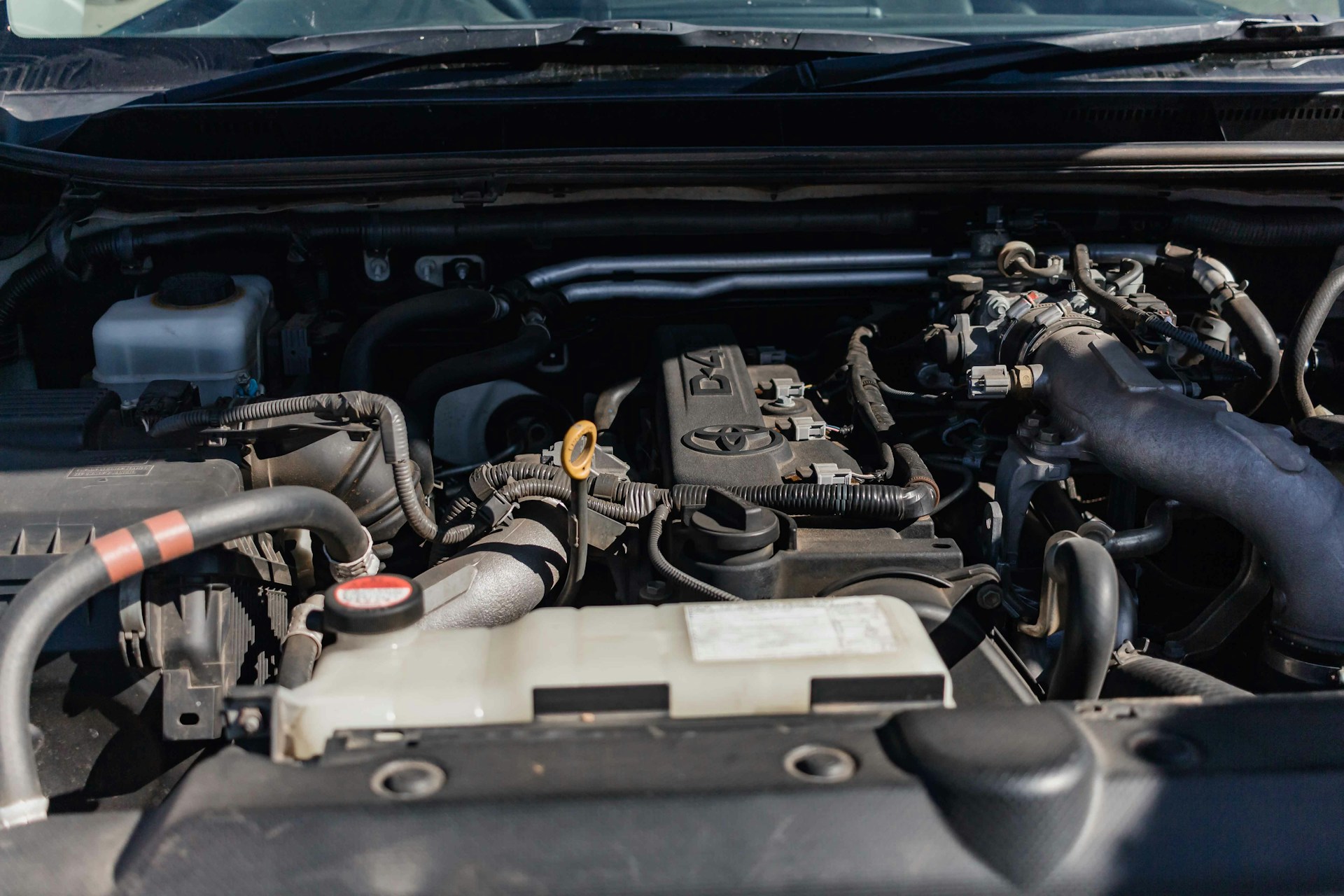
Toyota oil filters in Long Island play a bigger role than many drivers realize. These small parts help keep engines protected, especially during cold months when temperatures drop and engines take longer to warm up. Here on Long Island, winter adds extra stress to vehicles, and filters that are worn out or clogged can quietly cause bigger issues if left unchecked.
Replacing an oil filter might sound like a small thing, but it helps extend engine life, reduce wear, and improve daily driving. As January settles in, now’s a good time to look at what oil filters do, how to spot when they need replacing, and why it matters more during the colder stretch of the year.
What Toyota Oil Filters Do and Why They Matter
Oil filters stop harmful materials from building up in the engine. Every time we drive, the oil moves through the engine to keep things cool and prevent damage from friction. Along the way, that oil picks up dirt, tiny metal bits, or sludge. The filter’s job is to catch that stuff before it circulates again.
If the filter is clogged, it can’t do its job anymore. That means dirty oil keeps running through the system, which eventually wears down important parts inside the engine. This can lead to rough starts, loss of power, or louder operation over time.
Clean filters aren’t just better for the engine’s health. They also help keep oil pressure stable and can make a difference in how smooth a car feels during everyday driving. When we skip a filter change, it’s not just the oil that suffers. The entire system has to work harder, and that can turn into problems way too soon.
At Atlantic Toyota, we use genuine Toyota oil filters for every service and our certified technicians perform comprehensive oil and filter changes for all Toyota models. Using the right filter for your vehicle supports longevity and smooth performance, especially through the toughest winter months.
Signs Your Oil Filter Might Need Replacing
Sometimes, the filter needs changing before the next planned oil change. How can you tell? There are a few warning signs, and most of them are easy to catch if you know what to look for.
- Your oil looks darker or dirtier than usual
- There’s a drop in fuel mileage
- The engine sputters or runs rough during cold starts
- You see the check engine or oil warning light come on
- There’s a ticking sound when the car idles
January can make these issues worse. Cold starts mean thicker oil, and a clogged filter only makes it harder for that oil to move. On top of that, local driving habits around West Islip, like lots of short trips or heavy stop-and-go traffic, can mean the filter gets dirty faster. When most of the drive is under 15 minutes, the vehicle doesn’t always reach its ideal temperature, which has a direct effect on how clean oil stays.
Paying attention to these signs helps us catch problems early, instead of waiting until the damage adds up.
When to Replace an Oil Filter: Timing Matters
There’s no single rule for all cars, but most Toyota models need a new oil filter around the same time as an oil change. That often depends on mileage, but there are other factors that come into play too.
- Driving in cold spots like Long Island next to the water puts strain on filters
- Salt on roads sticks to the undercarriage and can affect parts that need to stay clean
- Slower speeds and shorter drives mean sludge builds up faster in the oil
Some drivers head up and down Sunrise Highway on long commutes, while others clock mostly local miles to and from school or errands. The more stop signs and idling you hit, the harder the filter has to work.
If we notice oil doesn’t stay clean between regular maintenance periods, it could be a sign the filter should be swapped sooner. And if we’re heading into February still using a summer oil filter, the system might be working harder than it needs to through cold starts and frozen mornings.
Why Long Island Winters Make Filter Care More Important
Winter is rough on vehicles across Suffolk County. Heavy rain, sudden snow, road salt, and freezing temperatures all show up at some point during the season. And each of those conditions pushes the engine harder, especially during early morning starts.
When it’s cold out, the oil thickens naturally. If the filter is even a little clogged already, that thick oil moves slower and may not reach every part of the engine fast enough. That increases wear and makes your Toyota feel sluggish or noisy.
Snow and ice also lead to more time spent idling while we warm up the car or wait in traffic. Filters get impacted more severely during that kind of use, not just from the extra engine run time, but from the humidity and moisture that build up during slow drives.
Add salt-covered roads into the mix, and it’s clear why winter conditions make something as small as an oil filter a bigger priority. Regular service before and during winter can help us stay one step ahead of those issues.
Smooth Driving Starts with Small Fixes
Paying attention to regular oil filter care is one of the simplest ways to avoid frustration during winter driving. Clean oil flowing through a fresh filter means easier starts, quieter engines, and better performance, even on cold mornings. It’s one of those parts we don’t always think about, but it works hard behind the scenes to keep things running.
By handling these small fixes now, we can avoid breakdowns or costly surprises later on. And with Long Island’s winter conditions sticking around for a while, there’s no better time to stay on top of maintenance that keeps everything moving forward.
Staying ahead of oil filter issues during a Long Island winter means fewer surprises when cold mornings hit. Noticing sluggish starts or rougher rides is a good reason to take a closer look at your filter. At Atlantic Toyota, we help drivers across the West Islip area keep their Toyotas in shape all season with quick, reliable maintenance. To stay on top of engine care, schedule a service appointment and ask us to inspect your Toyota oil filters in Long Island. Give us a call or book online to get your next visit on the calendar.
Connect with us

Recent Blog Entries
- Why Toyota Fuel System Service in Long Island Gets More Important in Spring
- What Toyota Wiper Blades in Long Island Do for Rainy Spring Days
- Spring Ready Toyota Air Filter Replacement in Long Island Explained
- Choosing Toyota Floor Mats in Long Island for Wet and Muddy Seasons
- Why Toyota Oil Filters in Long Island Matter for Early Spring Engines