

Pre-Owned Toyota

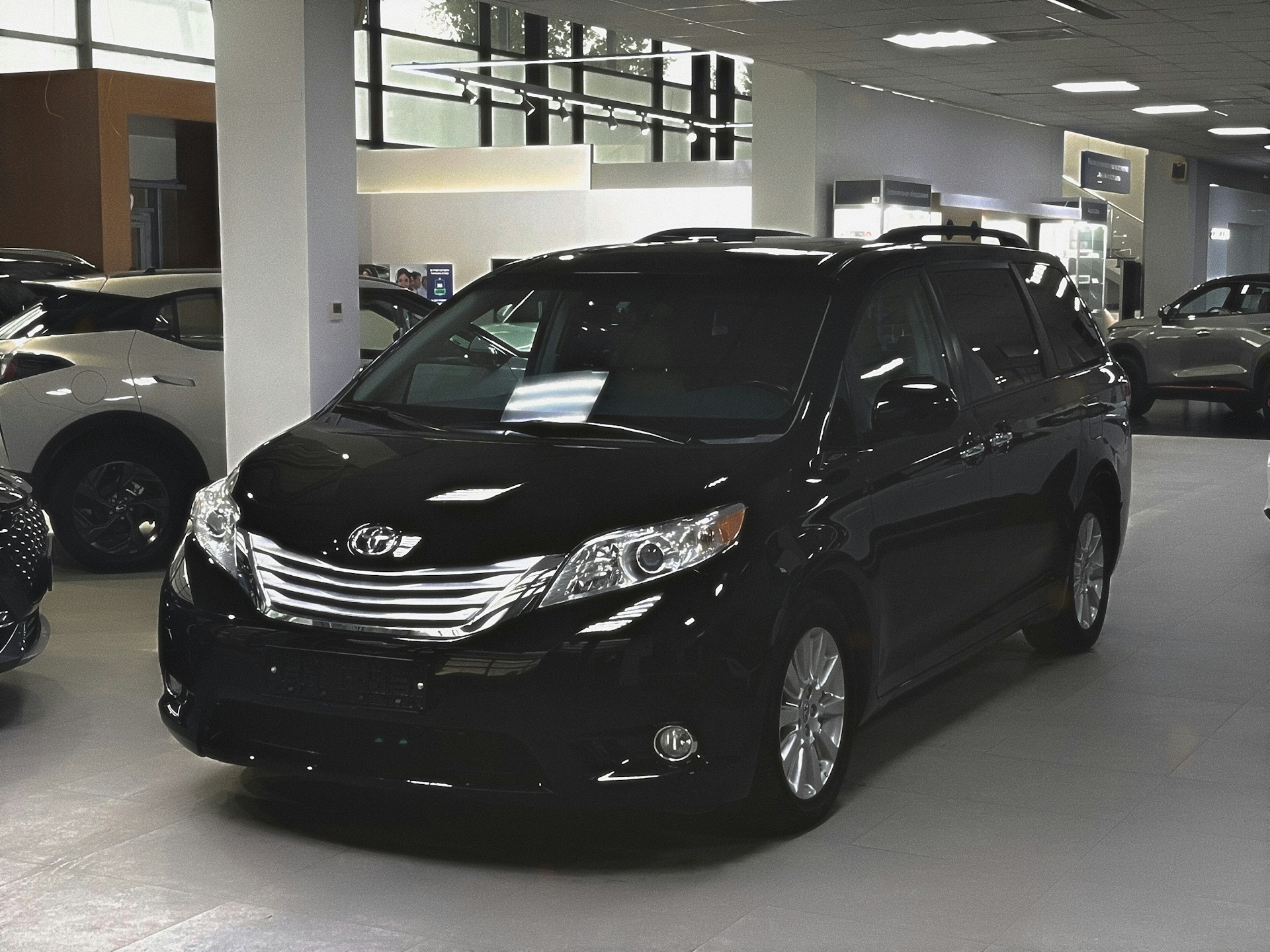
Choosing a certified pre-owned Toyota in Long Island is a smart way to get a reliable vehicle without busting your budget. These cars are not only selected for their quality but also come with the added assurance of passing thorough checks and inspections. It’s like getting a brand-new car experience without the new car price tag. With certified pre-owned options, you enjoy peace of mind knowing your car performs well and looks great.

Opting for a certified pre-owned Toyota is a savvy move. Think of it as receiving a hand-picked car that’s been pampered and polished, ready to serve you for many miles. This option serves as a bridge between used cars and brand-new vehicles, making it easier for buyers to enjoy a dependable ride. If you’re in Long Island and looking for a ride that combines quality with affordability, certified pre-owned could be just what you need.

Understanding Certified Pre-Owned Toyotas

Certified pre-owned Toyotas are used cars that meet specific qualifications set by the manufacturer. They undergo a meticulous inspection process to earn the “certified” label. This inspection covers everything from the engine to the aesthetics. Certified vehicles typically have a lower mileage and cleaner history, ensuring they haven’t been through rough treatment. This process makes them stand out among regular used cars.

Here are some key aspects that define certified pre-owned vehicles:

  • Thorough Inspection: Every certified pre-owned Toyota goes through a comprehensive multi-point inspection. This ensures that the vehicle is in tip-top shape and ready for the road.
  • Warranty Coverage: They come with warranties that can range from limited time to extended coverage, giving buyers peace of mind.
  • Vehicle History Reports: These reports confirm the car’s background and ensure it hasn’t been involved in major accidents or had serious repairs.

By choosing a certified pre-owned, you benefit from manufacturer-backed quality assurance. This decision is based not just on looks but on reliability and trust, making them a popular choice for many car buyers looking for dependable transportation. When cruising through Long Island, it’s comforting to know your vehicle meets high standards, ensuring a smooth, worry-free drive.

Benefits of Buying a Certified Pre-Owned Toyota

When it comes to selecting a car that combines reliability and affordability, certified pre-owned Toyotas bring a host of benefits. First off, they undergo detailed inspections ensuring the car is in excellent condition both inside and out. This refurbishment includes checking the engine’s operations, interior features, and exterior paintwork.

Another perk is the extended warranty benefits. Unlike many used cars, certified Toyotas can come with warranty options similar to new vehicles. This means you’re covered for certain repairs and parts replacements that can otherwise be costly. It’s an assurance that helps keep unexpected expenses at bay.

Certified pre-owned Toyotas frequently offer roadside assistance as part of the package. This service provides peace of mind, especially in unplanned situations, ensuring you’re never stranded for long. Add to that, customer support is often just a call away, giving you direct access to experts who can address your queries or concerns.

In summary, buying a certified pre-owned Toyota is a highly attractive option due to its thoroughly checked condition, warranty coverage, and additional support services. For anyone in Long Island looking to make a smart purchase, this vehicle option offers the confidence of a new car with the practicality of a used one.

Key Factors to Consider When Choosing a Certified Pre-Owned Toyota

Selecting the right certified pre-owned Toyota involves more than just liking the color or the features. It’s about making a smart decision that will serve you well down the road. The first thing you should do is review the vehicle history report. This document gives insight into the car’s past, ensuring it hasn’t been in significant accidents or gone through extreme repairs. It’s like having a diary of the car’s life, helping you make a more informed choice.

Next on your checklist is verifying the certification credentials. Confirm that the car meets all the manufacturer’s certification standards. This includes verifying the inspection points and seeing proof of any tasks taken care of during the refurbishment process. It’s a crucial step to ensure that what you’re getting is truly certified and not just another used car.

Finally, take the time to thoroughly inspect the car’s condition and go for a test drive. Sit in the driver’s seat, check all the features, and ensure everything functions correctly. Listen to how the engine sounds and feel how the car handles various roads. The test drive is your chance to experience the car firsthand and ensure it fits your comfort and driving style.

Tips for Finding the Best Deals on Certified Pre-Owned Toyotas in Long Island

Hunting for the best deals on certified pre-owned Toyotas can be a rewarding experience if you know how to navigate the market. Start by visiting multiple dealerships in Long Island to compare what each has to offer. Each dealership may provide different financing options, extras, or prices on similar models.

Timing your purchase can also significantly impact your deal. End-of-the-month sales or holiday events often come with special promotions. Dealerships may be willing to offer better deals during these times to meet their sales targets.

Here are some steps to help snag a great deal:

  • Visit various dealerships and compare their offers.
  • Pay attention to special promotional periods like holidays or end-of-year clearances.
  • Ask about additional incentives or financing deals which might be available.

Being informed and a bit strategic about when and where you shop can make a big difference in the deal you secure.

Drive Home Your Certified Pre-Owned Toyota

Choosing a certified pre-owned Toyota can offer as much joy and reliability as a brand-new car but without the hefty price tag. These vehicles are a wonderful option for budget-conscious buyers who still want quality and peace of mind. Whether you are commuting daily or embarking on adventures around Long Island, your certified pre-owned vehicle can deliver a smooth ride that you can depend on.

West Islip car buyers, look forward to enjoying the comfort and reliability of these meticulously inspected vehicles. With the right certified pre-owned Toyota, you’re not just buying a car—you’re investing in future adventures and hassle-free drives. Consider exploring your options to find the one that perfectly suits your lifestyle needs.

Discovering a reliable car doesn’t have to be a complex process. If you’re ready to enjoy the benefits of a Certified Pre-Owned Toyota in Long Island, trust Atlantic Toyota to offer an impressive selection. Explore your options and drive home with confidence. Take the first step by browsing our inventory today and find the perfect vehicle for your needs.

Toyota Electric

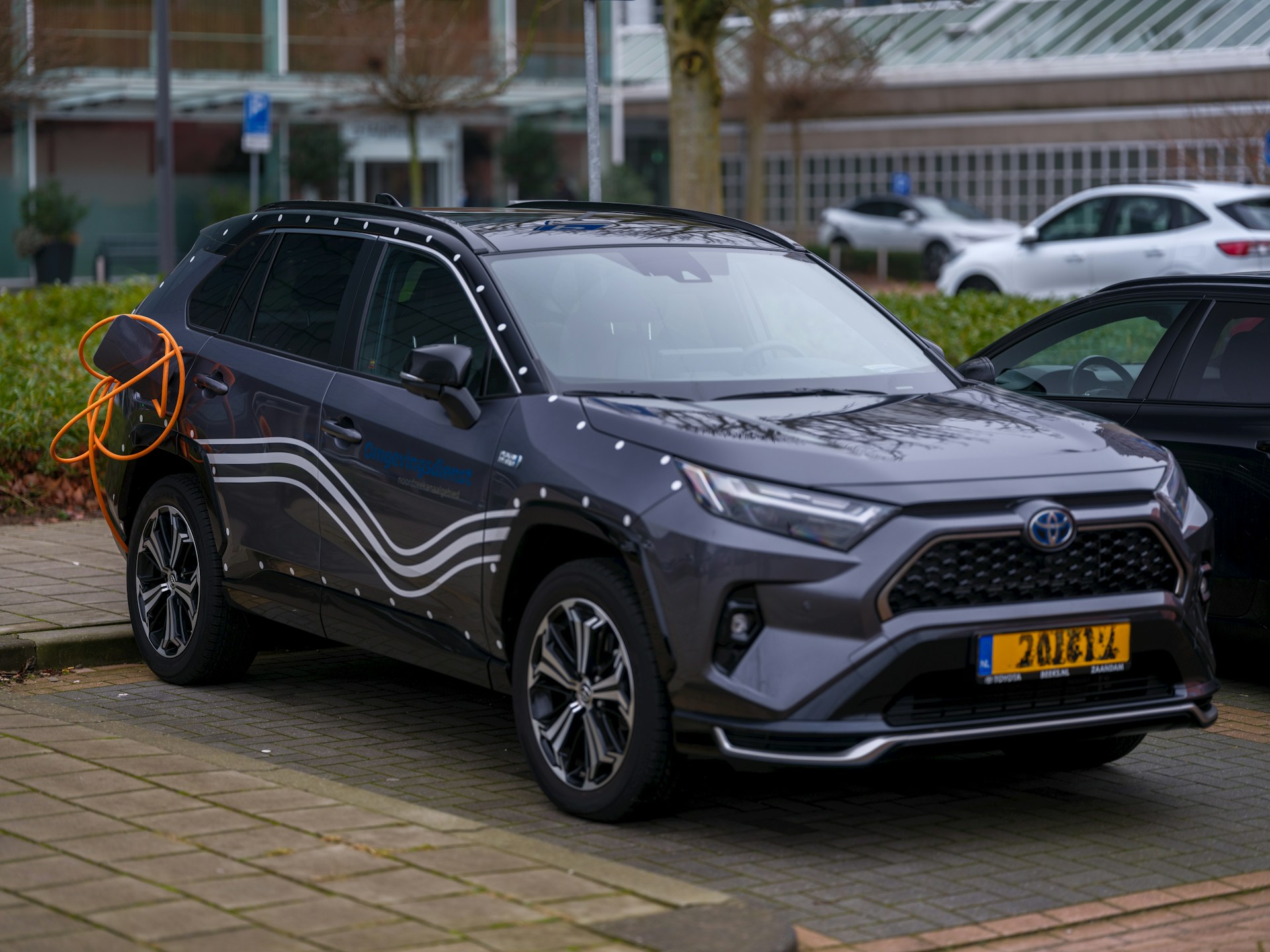
Electric vehicles, or EVs, are creating a buzz in the automotive world, especially among those considering a new car in Long Island. Specifically, Toyota’s electric offerings have been gearing up to offer alternatives to traditional gasoline cars. These modern cars not only promise a cleaner driving experience but also bring some exciting changes worth exploring.

If you’ve been driving a traditional car for years, you might be curious about what sets an electric vehicle apart. There’s more to it than just swapping gas stations for charging stations. Let’s explore the key differences between Toyota electric vehicles and the kind of cars we’re all used to driving around in Long Island.

Environmental Impact

One of the biggest selling points of electric vehicles is their positive impact on the environment. Unlike traditional cars that burn fuel and emit exhaust gases, EVs operate without tailpipe emissions. This means they contribute less to air pollution, helping keep our air cleaner and reducing the carbon footprint of your daily commute.

Consider how conventional cars release carbon dioxide every time they run. This isn’t the case with electric vehicles, which are powered by rechargeable batteries. But remember, the source of that electricity matters too. By using renewable energy sources like solar or wind to charge your EV, you can maximize its environmental benefits.

Here’s a quick rundown on how these vehicles stack up against each other in terms of emissions:

Electric Vehicles:

  • No tailpipe emissions.
  • Reduced greenhouse gas emissions when powered by renewable energy.
  • Can improve urban air quality.

Traditional Cars:

  • Emit pollutants that contribute to global warming and health hazards.
  • Depend on finite fossil fuels, which have environmental costs at each step of their lifecycle.

Switching to an electric vehicle doesn’t just ease your conscience; it’s a meaningful step towards supporting Long Island’s efforts to be greener. It’s essential to weigh these environmental aspects when considering your next car, ensuring your choice aligns with sustainable practices.

Cost of Ownership

While the initial price tag of an electric vehicle might appear daunting, there are some hidden perks to consider. Electric cars often come with incentives that can help offset the upfront costs. For instance, you might find particular government incentives and tax breaks that make buying an EV more affordable. Keep an eye on local Long Island programs, which can offer additional savings for eco-friendly buyers.

Over time, electric vehicles usually end up being more wallet-friendly due to their lower maintenance and operational costs. Here’s why:

  • Cheaper Maintenance: Fewer moving parts mean less frequent repairs and fewer parts to replace.
  • Fuel Savings: Charging is often cheaper than filling up with gas, especially if you charge at home.
  • Incentives: Look for programs that offer rebates or discounts on EV purchases.

Traditional cars, on the other hand, not only demand more in terms of regular maintenance, dealing with oil changes and engine tune-ups, but also endure fluctuating gas prices. If you factor in these ongoing costs, the appeal of a Toyota electric vehicle becomes clearer, offering a compelling case for those looking to make a long-term investment.

Performance and Driving Experience

Drivers in Long Island looking for a smooth and quiet ride will find electric vehicles appealing. Without a combustion engine, EVs offer a virtually silent driving experience, free of the rumbling noise many are used to in traditional cars. When it comes to acceleration, electric vehicles impress with their ability to deliver power instantly, thanks to their electric motors. This means EVs can zip from a standstill to cruising speeds faster than many traditional cars, which can make a difference during city driving or when merging onto highways.

Handling is another area where electric cars shine. The batteries in EVs are usually mounted low in the vehicle, providing a lower center of gravity that improves stability and cornering. This design helps the car feel more planted on the road, which can be a significant advantage on the winding roads throughout Long Island. But range anxiety is something to consider. While electric vehicle ranges have improved dramatically, ensuring that there are enough charging stations, especially for long trips, is important. Fortunately, infrastructure in many areas, including Long Island, continues to grow, making it more convenient to own an electric car.

Technological Features

Toyota electric vehicles come packed with advanced technological features to enhance both safety and convenience. With EVs, you’ll find cutting-edge driver assistance systems that offer added peace of mind. Features like adaptive cruise control, lane-keeping assist, and collision warning systems make driving more relaxed and safer by providing an extra set of “eyes” on the road. Additionally, many electric vehicles feature infotainment systems with seamless smartphone integration, allowing drivers to access navigation, music, and communication apps easily.

Electric vehicles often support over-the-air updates, which means that your car can receive the latest software improvements without a visit to the dealership. This feature ensures that your vehicle remains current with evolving technology. Unlike traditional cars, which may require hardware updates to enhance features, EVs can sometimes gain new capabilities with just a software tweak.

Making the Switch

Switching to a Toyota electric vehicle might seem like a big decision, but for many, the benefits are hard to ignore. Beyond the environmental gains and cost savings, the lifestyle fit is an important consideration. For those with a predictable commute or access to charging at home or work, the transition to an electric vehicle can be smooth and rewarding.

On Long Island, where urban and suburban terrains meet, owning an EV can be particularly advantageous. You enjoy the perks of low emission zones without worrying about frequent fuel stops. If you’re considering this shift, ponder your daily travel patterns and infrastructure access. Embracing an electric vehicle could mean less time at the pump and more time enjoying your drive.

Embrace the Future of Driving in Long Island

Electric vehicles aren’t just a trend; they’re a significant step forward in how we think about transportation. By understanding the key differences between Toyota electric vehicles and traditional cars, you can make an informed decision about what best suits your needs. With benefits ranging from environmental impacts to cost savings, it’s no wonder more drivers are considering making the switch.

Whether it’s the whisper-quiet ride, the advanced technology, or the support for cleaner energy, electric vehicles offer a host of advantages. So, as you weigh your options, consider these factors and think about how an electric car could fit into your life on Long Island. Embrace the future with an eye toward greener, smarter driving.

Discover the potential of Toyota electric vehicles in Long Island by exploring advancements in clean energy transportation. Experience the future of driving with advanced technology and eco-friendly features. Visit Atlantic Toyota to explore the range of options and see how a switch can benefit your lifestyle. For more information, visit Toyota electric vehicles in Long Island

Toyota

In a world where appreciation sometimes gets lost amid the clamor of everyday life, it’s crucial to take a moment to honor those who dedicate themselves to protecting and serving. Members of the military possess a unique strength, fueled not just by their commitment but also by the support of the communities they defend. Recognizing these contributions, initiatives like the Toyota Military Discount in Long Island serve as a token of gratitude to our armed forces. This discount aims to give back in a practical way, helping military personnel enjoy the reliability of a Toyota without stretching their finances.

Toyota understands that making veterans and active-duty service members feel valued is about more than patting them on the back. It’s about easing their daily burdens, including financial ones. Through the Toyota Military Discount, military families can access reliable vehicles essential for both personal and professional use. This initiative is embraced by communities like West Islip, where Atlantic Toyota stands as a proud supporter of those who stand for us. Discovering the peace of mind offered by this discount is one small step toward acknowledging a greater service — a step that can make a huge difference in everyday life.

What Is the Toyota Military Discount?

The Toyota Military Discount is a program designed specifically to offer financial relief and benefits to military members. This initiative acknowledges the service of active duty members, retired personnel, and veterans, extending gratitude beyond mere words. But who exactly can take advantage of this offer, and what does it include?

First off, the Toyota Military Discount is available to active duty military personnel, National Guard members, reservists, and veterans within two years of discharge. This program allows these individuals to purchase a new Toyota vehicle with a reduced price tag, giving them access to the brand’s known reliability and durability. Whether someone has recently returned from deployment or is planning for retirement, the discount serves as a helping hand.

But the benefits don’t stop at eligibility. A wide range of Toyota vehicles is covered under this program, providing options that cater to different needs and preferences. From sleek sedans for efficient commuting to robust trucks ready to handle tougher jobs, there’s something for everyone. So, whether it’s about upgrading to a more fuel-efficient model or securing a family-friendly ride, the Toyota Military Discount ensures there’s less worry about financial strain while making such essential decisions.

Benefits of the Toyota Military Discount

One of the biggest attractions of the Toyota Military Discount is the financial savings it offers. By having access to reduced prices, military personnel can save a significant amount on their vehicle purchases. This relief can make it less demanding to budget for a new car, enabling service members to invest their funds in other important areas of their lives. Imagine a young serviceman who has just returned from overseas. He’s eager to build a stable future and knowing that he can save money on a reliable vehicle makes life a bit smoother.

The application process for this discount is very straightforward, which is another benefit. No one wants to jump through hoops, and this process is designed to avoid unnecessary complications. Eligible individuals can easily access the necessary forms and complete their applications with minimal hassle. The efficient procedures ensure that military members don’t spend excessive time filling out paperwork and can focus more on their vehicle needs instead.

But the advantages don’t end there. The discount also comes with additional perks. Many Toyota dealerships may offer special services or incentives to military customers, providing even more value. This can include service check-ups or additional discounts on parts and services that keep the vehicle in top shape. It’s these thoughtful gestures that make a notable difference, enhancing the total experience for military families.

How to Apply for the Toyota Military Discount

When you’re ready to take advantage of this opportunity, here’s a simple guide to help you apply:

1. Gather Necessary Documents: Before you apply, ensure that you have all required documents ready. This usually includes a valid military ID and proof of service or discharge papers for veterans.

2. Visit the Dealership or Website: Head to your local Toyota dealership that participates in this program or check online where applications can be conveniently started from the comfort of your home.

3. Complete the Forms: Fill out the necessary application forms, providing all required information accurately to ensure a smooth process.

4. Review and Submit: Give everything a final review to catch any errors and then submit your application for approval.

Once your application is submitted, you’ll receive guidance and updates. Decision-making is generally quick, allowing you to proceed with purchasing your vehicle without unnecessary delays.

Community Impact and Testimonials

The Toyota Military Discount isn’t just about financial perks; it’s also about building community support. In Long Island, this program resonates with many families who have served in the military. These discounts help reintegrate veterans into civilian life by reducing expenses and making them feel appreciated. It’s a small but meaningful gesture that the community values deeply.

Take John, for example, a Navy veteran who benefited from the discount while he settled back into civilian life in West Islip. The savings allowed him to purchase a car that suited his family’s growing needs, and he often shares his positive experience with other veterans, instilling a sense of unity and support within the community.

By participating in this program, you’re contributing to a supportive network that underscores the importance of giving back to those who give so much. The Toyota Military Discount benefits extend beyond individual savings, fostering an environment where gratitude and respect thrive.

Whether you’re a veteran or just starting your military career, finding support through programs like the Toyota Military Discount in Long Island can make a meaningful difference. Atlantic Toyota is committed to easing the financial burden of those who’ve served. If you’re ready to explore the reliable and diverse range of Toyota vehicles available to you, visit us today to learn more about how this program can benefit you.

Toyota Radiator

Your Toyota’s radiator plays a key role in ensuring your vehicle stays cool and runs efficiently. Acting like the vehicle’s cooling system backbone, the radiator dissipates the heat generated by the engine, preventing it from overheating and potentially causing severe damage. Without a reliable, functioning radiator, your Toyota could face frequent breakdowns and premature wear and tear. Understanding the telltale signs of a radiator that’s seen better days can help catch issues early, keeping you on the road and avoiding costly repairs.

A few common problems can arise when a radiator begins to fail. These issues affect not only your driving comfort but also the car’s performance and safety. Knowing the early signs that indicate your radiator might need a replacement lets you address potential problems before they become major troubles. In West Islip’s varied climate, whether you’re commuting through the rain or basking in summer heat, having an efficient radiator is vital to keep your journeys smooth and worry-free.

Overheating Issues

One of the most obvious and alarming signs of a faulty radiator is frequent overheating. If you find yourself having to leave the hood open to cool the car down regularly, it is time to take notice. Here’s how a malfunctioning radiator could cause overheating:

  • Poor Heat Dissipation: A blockage or deposit buildup in the radiator can hinder its ability to dissipate heat effectively. This results in an accumulation of heat which you will often notice first when the temperature gauge heads towards the red zone.
  • Faulty Thermostat: Sometimes, the issue isn’t just with the radiator but with the thermostat, which regulates the coolant flow. If it’s stuck closed, it may prevent proper circulation, causing the engine temperature to rise.

If you’re noticing your engine frequently running hot, it’s more than just an inconvenience. Overheating can lead to severe damage, negatively impacting engine parts. For example, continuous high temperatures can warp or crack the cylinder head, resulting in a costly head gasket fix. Therefore, if you have ever found yourself pulled over to the roadside to let your Toyota cool down, it would be wise to have a professional look at your radiator and other cooling system components.

Coolant Leaks

Another sign pointing to a radiator malfunction is coolant leaks. If you’ve ever noticed green, orange, or pink puddles forming under your car, it’s likely the coolant escaping from the system. This can happen when the radiator’s seals and hoses start to wear out or crack, allowing the coolant—an essential part of your engine’s cooling system—to leak away.

  • Puddles Under the Car: Brightly colored puddles are a clear indicator that something is amiss.
  • Low Coolant Levels: You may notice your coolant levels dropping frequently without apparent cause.

When coolant keeps leaking, the engine won’t cool properly, increasing the risk of overheating. It’s similar to trying to cool off on a hot day without enough water—the system just can’t function optimally. So, if you spot those telltale puddles, it’s time to have a thorough check-up to pinpoint the source of the leak.

Discolored or Contaminated Coolant

Monitoring the appearance of the coolant itself can reveal issues too. Fresh coolant is typically bright and vibrant, making it easy to spot in the reservoir. But when the coolant turns rusty or has a milky color, it’s often a sign of contamination. This usually means that rust or deposits have mixed with the coolant, possibly due to internal corrosion of the radiator.

  • Rusty Coolant: Indicates internal radiator deterioration.
  • Milky Coolant: Suggests a potential mixing of fluids, which should be checked immediately.

Using discolored or contaminated coolant can lead to poor heat transfer, reducing the radiator’s effectiveness. It’s akin to trying to put out a fire with dirty water—it’s simply not going to work well. Keep a simple schedule of checking the coolant condition to catch any changes early on.

Frequent Low Coolant Levels

If you’re frequently topping up your coolant, there’s a good chance the radiator isn’t working well. Regular drops in coolant levels, without a visible leak, might indicate a deeper issue. Perhaps there’s a small, hard-to-see leak or another issue causing this loss.

Sometimes, constantly adding coolant can seem like a minor inconvenience, but it’s actually a red flag that shouldn’t be ignored. Much like ignoring a dripping faucet, small issues can quickly grow into more costly problems if not addressed early on.

Bringing It All Together

Meeting radiator maintenance needs head-on keeps your Toyota running in top shape. From spotting overheating symptoms to recognizing coolant leaks and changes in fluid color, each sign speaks to potential radiator troubles. Addressing these promptly ensures you avoid more significant, costlier repairs.

Taking a proactive approach to these issues means your vehicle stays reliable on the roads of Long Island. Whether it’s a regular check-up or seeking professional help for any of the signs mentioned, keeping your radiator and, therefore, your Toyota healthy leads to a much smoother driving experience. It’s about staying ahead and ensuring long-lasting performance and safety for your vehicle.

Ensuring your Toyota’s radiator functions effectively can mean the difference between a smooth drive and unexpected breakdowns. If you suspect any issues with your cooling system, it’s wise to address them before they escalate. For those living in Long Island, getting professional support tailored for Toyota radiators is crucial. Schedule your service with Atlantic Toyota today and gain peace of mind knowing your vehicle is in expert hands. For more information on services and appointments, explore our section on Toyota radiators in Long Island and let us help keep your engine cool and running efficiently

Toyota

Imagine starting your day, ready to head out, but your car won’t budge. Sounds frustrating, right? For many, their vehicle is more than just a means of transportation; it’s crucial for daily activities. That’s why having a reliable starter in your Toyota vehicle is key. Without it, you’re essentially stuck, and that can throw a wrench in your plans.

When that reliable component decides to quit, knowing the next steps can save a lot of stress and hassle. Recognizing when your starter is about to fail and acting quickly can make all the difference. Below, we’ll explore some common signs that indicate starter trouble, so you can address issues before they leave you stranded.

Signs Your Starter Might Be Failing

Being aware of the clues that a starter problem is brewing can prevent a lot of headaches. Here are some signs to watch for:

  • Clicking Sounds: If you hear a clicking noise when you turn the key, it’s often a sign that the starter is struggling to engage. This noise suggests that the electrical current from the battery isn’t reaching the starter, preventing the engine from turning over.
  • Engine Not Cranking: Turn the key, and nothing happens. If the engine doesn’t crank, it could mean the starter motor isn’t functioning. This is a clear warning to pay attention to before it leaves you stuck.
  • Intermittent Starting Issues: Maybe the car starts fine one day and refuses the next. This inconsistency can indicate a failing starter, which might seem minor at first but often precedes larger issues.

Recognizing these early signs is like spotting a red flag waving proudly, telling you something isn’t right. By understanding these symptoms, you’re better equipped to tackle the issue and avoid inconvenient situations on the road. Taking early action can prevent the headache of being stranded, ensuring smooth rides with minimal fuss.

Immediate Steps to Take When Your Starter Fails

When you find yourself sitting in a car that won’t start, it’s normal to feel a bit panicked. But keeping your cool and following a few straightforward steps can reduce your frustration. First, check the battery. Sometimes, what seems like a starter issue might actually be a low or dead battery. Ensure the battery has a good charge and the connections are tight. Loose or corroded battery terminals can mimic starter problems, so a quick cleaning can often solve the issue.

Next, listen for sounds when you try to start the car. A single click may suggest a bad starter, while rapid clicking could mean a weak battery or poor connection. Paying close attention to these details can help diagnose the trouble faster. If these steps don’t resolve the issue, avoid the urge to fix it yourself. Instead, contact a professional for assistance. This reduces the risk of causing more damage or voiding any warranties on your vehicle. By leaving it to the experts, you’re ensuring a comprehensive and safe solution.

How to Prevent Starter Problems

Prevention is always better than dealing with car trouble in the middle of the road. Keeping your Toyota’s starter healthy involves some easy maintenance tasks. Regularly check the electrical system of your car to ensure it’s in good working condition. A well-maintained electrical system makes life easier for your starter and reduces power-related issues.

Here are some tips to keep your starter in shape:

  • Inspect the battery regularly and keep terminals clean.
  • Avoid turning the ignition when the engine is already running.
  • Schedule periodic professional check-ups, especially if your area experiences extreme seasonal temperatures.

Caring for the starter is part of routine upkeep and can extend its lifespan considerably. Investing a little time in these preventive measures can help ensure a reliable start every time you turn the key.

Professional Help: Why Choose Atlantic Toyota for Your Starter Issues

Atlantic Toyota offers expert care for Toyota starters in Long Island. Our technicians are trained to handle these specific issues efficiently, ensuring that your car receives the best possible service. By choosing professional assistance, you prevent further complications and secure quality repairs, providing peace of mind and a dependable vehicle.

Keeping Your Toyota Reliable on West Islip Roads

Recognizing the signs of a failing starter and knowing what steps to take makes a big difference in your driving experience. It’s all about maintaining a vehicle that’s ready whenever you need it. Ignoring those early warning signs can leave you facing bigger problems down the road, so don’t hesitate to address issues as they arise.

A smooth, reliable ride is achievable with the right upkeep. Regular maintenance not only catches starter issues before they become serious but also keeps the whole vehicle in tip-top shape. By prioritizing professional service and frequent check-ups, you’re doing your part to ensure that your Toyota is a dependable companion on every journey.

Regular maintenance is key to ensuring your vehicle remains in top condition on the roads of West Islip. If you’ve noticed any signs of starter trouble, don’t wait for the problem to worsen. Explore our services for Toyota starters in Long Island, where Atlantic Toyota’s expertise can help keep your car running smoothly. Prioritize expert care and ensure your Toyota starts without a hiccup every time.

Toyota

Maintaining the belts and hoses in your Toyota is a bit like taking care of its circulatory system. These components might not seem like the stars of the show, but they’re constantly at work, making sure everything runs smoothly. When a belt snaps or a hose leaks, it can quickly sideline your vehicle, leading to costly repairs and unexpected downtime. For drivers in Long Island, where every trip counts, keeping belts and hoses in good condition is key to staying road-ready.

Long Island presents specific challenges for vehicle maintenance, with its mix of busy streets and unpredictable weather. The salty air and changing temperatures can take a toll on your car’s most dependable parts. By paying attention to your Toyota’s belts and hoses, you not only extend the life of your vehicle but also ensure that it runs efficiently day in and day out.

Understanding the Belts and Hoses in Your Toyota

Belts and hoses are fundamental components under the hood. Knowing what they do can help you appreciate their role in your car’s performance. Let’s break down the major types:

1. Serpentine Belt: This belt is long and winds through several components, including the alternator and air conditioning compressor. It keeps these critical systems in sync. If it breaks, you’re likely to experience multiple failures at once.

2. Timing Belt: Found in some Toyotas, this belt synchronizes the engine’s valves and pistons. If it breaks, your engine might not survive the damage.

3. Radiator Hoses: These hoses transport coolant between the engine and radiator, keeping everything at the right temperature. Leaks can cause overheating, a clear danger sign on the dashboard.

4. Vacuum Hoses: These smaller hoses manage emissions and airflow. When they loosen or crack, your car’s performance might drop as more pollutants escape.

Each belt and hose has a unique function, but all are interconnected. When one component begins to wear, it can affect other parts, potentially leading to more serious issues if left unchecked.

Signs of Wear and Tear to Watch Out For

Recognizing the early signs of wear and tear on your belts and hoses can save you from a roadside mishap. Here are some red flags to keep on your radar:

  • Cracks and Fraying: Check belts for visible signs of damage. Even small cracks or frayed edges mean it’s time to consider a replacement.
  • Squealing Sounds: A high-pitched squeal under the hood often signals a loose or worn belt.
  • Leaks or Drips: Hoses should be firm and smooth. Moist or oily spots could indicate a leak, which needs addressing sooner rather than later.
  • Swelling or Softness: Press on hoses gently. Any soft spots or swelling can hint at deterioration or blockage.

Routine visual checks can help you catch these signs early. Spend a moment each month inspecting your car’s belts and hoses while it’s parked. That way, you can catch minor problems before they escalate into major repairs.

Regular Maintenance Tips

Taking care of your Toyota’s belts and hoses doesn’t have to be complicated. A little bit of regular maintenance can go a long way in preventing bigger issues down the road. Here’s a simple plan to keep things running smoothly:

  • Monthly Visual Check: Take a few minutes each month to look under the hood. Check belts for cracks, splits, or glazing on the surface, which might look shiny. Feel the hoses; they should be firm, not spongy or overly soft.
  • Quarterly Inspection: Every three months, while you perform other vehicle checks, include a closer look at the belts and hoses. Wiggle them gently to ensure they aren’t loose.
  • Yearly Professional Check-Up: Have a professional inspect the belts and hoses at least once a year. They can spot wear and tear you might miss and recommend replacements before part failures occur.

Keeping up with this maintenance schedule helps prevent unexpected breakdowns and may save you from more costly repairs in the future. Routine care ensures that your car maintains the performance and reliability you’re used to.

When to Seek Professional Help

Sometimes, the signs are clear that it’s time to bring in professional help. If you hear unusual noises, like squealing from a belt that could be too loose or tight, it’s best to consult experts. If you see fluids pooling under your vehicle, that’s a strong indicator of a leaking hose. Ignoring these signals can lead to more serious car problems.

For residents in Long Island, getting professional help can be particularly important. With the area’s salty air, your vehicle’s components might wear out faster than expected. Trained professionals can offer specialized advice tailored to the local environment and driving conditions.

Stay Safe on the Roads of Long Island

Keeping your Toyota’s belts and hoses in good condition is more than just a maintenance task—it’s about ensuring safety and peace of mind as you drive around Long Island. By staying proactive, you can avoid the stress of unexpected breakdowns and enjoy a smooth ride every time you take the wheel.

Remember, regular maintenance of these small but significant parts not only supports your car’s efficiency but also contributes to a safer driving experience. Simple checks and professional assessments help maintain reliability, so your Toyota can keep you on the go, no matter where your journey takes you.

To ensure your Toyota runs smoothly on the roads of Long Island, keeping its belts and hoses in top condition is key. Trust the experts at Atlantic Toyota to take care of any maintenance needs you may have. Explore our Toyota Belts and Hoses in Long Island service specials to stay on top of your vehicle’s upkeep

Toyota

Living near the coast has its perks, but it can be tough on cars. The salty air and high humidity found in these regions can cause rust, which loves to eat away at metal. For used car owners, understanding how to prevent rust is key to keeping your vehicle in great shape.

Rust can sneak up on your car, especially in areas you might not think to check. Wheel wells, undercarriages, and door frames are typical spots that need some extra attention. Spotting rust early can save you a lot of trouble down the road.

Keeping rust at bay involves a bit of routine care and smart choices. Regular cleaning and protective treatments help shield your car against the salty conditions. Plus, paying attention to where you park and how you store your car can make a big difference. With these simple steps, your used car can handle coastal living just fine.

Understanding the Impact of Coastal Conditions

Coastal areas can be beautiful places to live, but they come with their own challenges for car owners. One of the main culprits in causing rust is the salty air. The salt from the ocean breeze settles on cars and mixes with moisture in the air. This combination speeds up the rusting process, making it important to be vigilant about car care.

Humidity compounds the problem. It keeps surfaces damp, allowing salt to stick to the car longer, encouraging rust to form. Cars in these areas face a continuous cycle of exposure to these elements, increasing the risks of rust patches developing.

Certain parts of the car are more vulnerable to rust. The undercarriage is one of them, as it is directly exposed to road salt and moisture. Other spots to watch include wheel wells, which catch a lot of debris, and door frames, where moisture can gather unnoticed. Over time, ignoring these areas can lead to serious damage.

Regular awareness of these rust-prone spots and understanding the environmental elements at play can help manage and reduce the risks. Identifying these vulnerable areas and understanding the coastal climate is the first step in maintaining your used car’s condition.

Routine Cleaning and Inspection

Keeping your car clean can significantly reduce the chance of rust development. Begin with a consistent cleaning schedule. Rinse your car regularly with fresh water to wash away salty residues. Pay special attention to areas under the vehicle where salt tends to collect.

A thorough wash should include cleaning the undercarriage, wheel wells, and other exposed parts. Consider using a pressured wash system if possible, as it can reach those hard-to-clean areas. After washing, ensure the vehicle is dried completely to prevent moisture accumulation.

In addition to cleaning, regular inspections are crucial. Make it a habit to check your car for early signs of rust, such as small bubbles or discoloration in the paint. Look closely at wheel wells and the undercarriage for hidden rust spots. Also, check the protective coatings on your car, ensuring they’re intact and haven’t been chipped away.

For an easy routine, follow this checklist:

Rinse your car with fresh water frequently.

  • Use a pressure washer for thorough cleaning.
  • Dry your car completely after washing.
  • Inspect regularly for signs of rust or damage.
  • Check the integrity of paint and protective coatings.

By maintaining a regular cleaning and inspection routine, you’ll have a better chance of keeping rust at bay and ensuring your car lasts longer in the coastal environment.

Protective Measures and Treatments

To protect your used car from rust, applying protective measures is a smart move. There are several rust-proofing techniques that can make a difference. One effective way is using wax. A good coat of wax acts as a barrier, shielding your car’s paint from moisture and salt. Wax should be applied every few months for the best protection.

Oil sprays are another option. These sprays seep into joints and seams, providing a protective layer that prevents moisture from causing rust. They’re especially useful for reaching spots that are hard to cover with wax or sealants.

Using sealants and undercoatings is also highly recommended. These products form a protective coat underneath your car, guarding against road salt and debris. When applied properly, they keep the undercarriage safe from rust.

For a thorough approach, schedule professional rust-proofing treatments. Combining DIY methods with expert care ensures that your car remains rust-free, even in challenging coastal environments.

Smart Parking and Storage Tips

Where you park your car can have a big impact on its susceptibility to rust. Choose parking spots that reduce exposure to the salty air and rain. Park indoors or in a covered area whenever possible to shield your car from direct contact with the elements.

If an indoor option isn’t available, consider investing in a quality car cover. These covers are designed to block moisture and are great for outdoor parking. Make sure the cover is breathable to prevent moisture from being trapped underneath.

For longer storage, use a garage if possible. Garages provide a controlled environment that helps protect your car from the harmful effects of the coastal air. Ensure there is good ventilation inside the garage to avoid dampness, which can lead to rust.

If you anticipate harsh weather, consider short-term solutions like portable garages or canopies. These can offer temporary relief from the elements. Choosing the right parking and storage strategies can help extend the life of your car by keeping rust at bay.

Conclusion

Owning a car in a coastal area requires a bit of extra attention and care to protect it from rust. By understanding the unique challenges posed by salty air and humidity, you can take proactive steps to safeguard your vehicle. Regular cleaning, inspections, and protective treatments form the core of effective rust prevention.

It’s also essential to be smart about where and how you park your car. Choosing the right storage solutions goes a long way in maintaining your car’s condition. Protecting against rust not only preserves the appearance of your car but also its overall integrity and value.

If you’re ready to take control of your car’s rust protection, Atlantic Toyota is here to assist. Our experts can guide you through the best strategies and products to ensure your vehicle stays in top shape despite the coastal conditions. Visit our Toyota service center in Long Island today to learn more about how we can help you keep your car rust-free and running smoothly.

Toyota

Toyota has been a leader in automotive safety by developing advanced systems designed to protect drivers and passengers. Whether you’re commuting to work or taking a family road trip, knowing your vehicle is equipped with the latest safety technology offers comfort and reassurance.

Toyota’s Safety Sense Package includes a collection of clever features that aim to prevent accidents and improve driving experiences. These technologies are crafted to boost driver awareness, making every journey safer and smoother. From warning alerts to automatic interventions, they are setting new standards in vehicle safety.

By understanding the advantages of these advanced features, drivers can experience peace of mind, knowing they are supported by some of the best safety technology available. In the long run, these features not only help in safeguarding lives but also add value to the vehicle, making it a wise investment.

Understanding Toyota’s Safety Sense Package

Toyota’s Safety Sense Package is a suite of advanced safety features designed to protect you and your passengers. These features work together to detect potential hazards and avert accidents, making each drive safer and more enjoyable. At the core of the package are key components like the Pre-Collision System and Lane Departure Alert.

The Pre-Collision System helps detect vehicles or pedestrians in your path and can automatically apply brakes to prevent a collision or reduce impact severity. This system uses a camera and radar to monitor the road ahead, offering an extra layer of vigilance, especially in unexpected situations.

Another integral feature is the Lane Departure Alert, which assists when you unintentionally drift out of your lane. If the system senses your vehicle veering without a turn signal, it will alert you with visual and audio warnings. Paired with Lane Keeping Assist, it provides small steering adjustments to help keep your vehicle centered, reducing lane-swerve accidents.

Additional components like Automatic High Beams and Road Sign Assist enhance visibility and awareness. Automatic High Beams toggle between high and low beams, detecting oncoming traffic to optimize night-driving visibility. Road Sign Assist reads road signs such as stop signs and speed limits, displaying them on the dashboard. This feature ensures you’re constantly aware of road conditions, promoting safer driving practices.

Toyota’s commitment to safety through this package underscores their dedication to using technology to create more secure driving environments. By integrating these features into their vehicles, Toyota helps drivers navigate with confidence and peace of mind.

Enhancing Driver Awareness and Response

Driver awareness is crucial for road safety, and Toyota’s advanced features contribute significantly to keeping drivers alert and responsive. These technologies act like a co-pilot, providing real-time feedback and support.

Some standout features include the Dynamic Radar Cruise Control, which maintains a steady speed and a safe distance from the vehicle ahead. This intelligent system adjusts speed automatically, ensuring smooth and safe highway travel. This means less stress and more focus on enjoying the journey.

Another useful feature is the Blind Spot Monitor, which alerts you to vehicles lurking in your blind spots. This feature is particularly valuable during lane changes, as it uses sensors to detect approaching vehicles and gives visual alerts on the side mirrors.

The Rear Cross-Traffic Alert is also essential for maintaining awareness. When backing out of a parking spot, this system warns of approaching traffic from the sides, preventing accidents that could easily occur in busy areas.

These systems extend beyond simple alerts. They engage drivers actively, allowing them to correct mistakes before they become dangerous. Each feature enhances drivers’ perception of their surroundings and improves response times.

By integrating these technologies, Toyota takes a proactive approach to accident prevention. Equipping vehicles with these supportive tools helps make the roads safer for everyone. They provide peace of mind by boosting your confidence behind the wheel and ensuring that you and others are secure on every trip.

Benefits of Automatic Safety Interventions

Toyota’s automatic safety interventions play a crucial role in protecting drivers and passengers from potential threats. Systems like automatic braking and lane departure alerts are designed to step in when the driver may not have time to react, preventing accidents before they happen.

The automatic braking system, part of the Pre-Collision System, detects imminent collisions and applies brakes automatically if the driver does not respond in time. This intervention can be vital in busy traffic conditions or unexpected stops, reducing the likelihood of rear-end crashes.

Lane departure alerts signal drivers when they unintentionally drift out of their lane, helping prevent accidents caused by distraction or drowsiness. By using sensors to monitor lane markings, the system helps maintain vehicle alignment, enhancing safety on highways and expressways.

These interventions have real-world applications that significantly enhance safety. For instance, if a vehicle suddenly halts ahead, automatic braking can reduce collision impact or prevent it altogether. Lane departure alerts, on the other hand, assist drivers during long trips by keeping them attentive and centered within their lane.

The combination of these automatic interventions ensures a safer driving environment, reducing the risk of accidents and promoting a sense of security. Having these systems onboard empowers drivers to navigate everyday challenges with confidence and peace of mind.

Long-Term Advantages of Advanced Safety Features

Toyota’s advanced safety features provide long-term benefits that extend beyond immediate accident prevention. One significant advantage is the potential reduction in insurance premiums. Insurance companies often offer discounts for vehicles equipped with advanced safety technology because they lower the risk of accidents and claims. This can result in considerable savings over time.

Another long-term benefit is the positive impact on a vehicle’s resale value. Cars with advanced safety features are increasingly in demand, as buyers prioritize safety. Having a Toyota equipped with such technologies makes it more appealing to prospective buyers, allowing owners to secure a better sale price if they decide to sell.

Overall, these features contribute greatly to peace of mind. Knowing that your Toyota is outfitted with top-tier safety components instills confidence every time you hit the road. It reassures drivers that they are well-protected, which in turn enhances the enjoyment of driving.

The integration of these safety features reflects Toyota’s commitment to customer safety and vehicle longevity. By investing in technology that promotes lasting benefits, Toyota ensures that drivers receive value not only during their ownership but also when reselling their vehicle.

Conclusion

Toyota’s dedication to safety is evident through its array of advanced safety features. These systems not only protect drivers on the road today but also enhance the long-term ownership experience. They reduce accident risks and provide financial advantages through insurance savings and better resale value. Investing in a Toyota means prioritizing safety without compromising on comfort or style.

Experience peace of mind with a vehicle that prioritizes your safety. Visit Atlantic Toyota and discover the innovative safety technologies available in our new and used Toyota models. Our Toyota dealership in Long Island is ready to help you find the perfect car with advanced features designed to protect you and your loved ones on every journey.

Toyota

Toyota has a longstanding reputation for crafting reliable and versatile vehicles that fit a wide range of needs. From the bustling streets of the city to the quiet lanes of the countryside, Toyota has a model that can get you where you want to go. Known for their reliability, comfort, and innovative technology, it’s no wonder that models like the Camry, Corolla, and RAV4 are often favorites among drivers.

These cars offer more than just a means of transportation. Each model is designed with thoughtful features that aim to enhance your driving experience. Whether you need a fuel-efficient city car or a spacious family SUV, Toyota provides options that speak to your specific lifestyle.

As you explore the options available, consider how each model’s performance and technological advancements might suit your daily needs. From powerful engines to intuitive infotainment systems, the benefits of owning a Toyota extend beyond just practicality. They are built for the long haul, offering a combination of quality, safety, and resale value that stands the test of time.

Exploring Toyota’s Top-Selling Models

Toyota is well-known for creating reliable and versatile vehicles that cater to different lifestyles and preferences. Among the most popular models are the Camry, Corolla, and RAV4. Each of these cars brings its own set of features that make them stand out in the crowd.

The Toyota Camry is often celebrated for its comfortable ride and spacious interior. It’s a great choice for those who appreciate a sedan’s classic design met with modern updates. Key features include a fuel-efficient engine, user-friendly tech, and advanced safety systems, making it a top pick for families and daily commuters alike.

The Toyota Corolla is another favorite, known for its compact size and excellent gas mileage. Perfect for city driving, the Corolla offers a smooth ride and is packed with technology that makes driving both fun and safe. It’s an ideal option for those just starting their driving journey or anyone who values a reliable, economic car.

For those who love adventure, the Toyota RAV4 is a standout choice. As an SUV, it combines space, power, and versatility. With its robust engine and available all-wheel drive, the RAV4 is perfect for weekend getaways and road trips, ensuring you drive confidently in various conditions.

Performance and Technology Features

Toyota vehicles are renowned for their outstanding performance, balancing power with efficiency. Many Toyota models come with a range of engine options designed to cater to different driving needs. For example, you might find a hybrid option that offers exceptional fuel efficiency, perfect for cutting down on trips to the gas station.

Performance isn’t just about the engine, though—technology plays a big role, too. Toyota’s infotainment systems are designed to keep you entertained and connected while on the move. You can enjoy features like touchscreens, smartphone compatibility with Apple CarPlay and Android Auto, and premium sound systems, transforming your driving experience.

Safety is a top priority, and Toyota doesn’t disappoint in this area. Most models come equipped with Toyota Safety Sense, a suite of driver-assistance features. This includes adaptive cruise control, lane departure alerts, and a pre-collision system. These technologies work together to enhance safety, helping drivers avoid potential accidents and navigate the roads more confidently.

Beyond everyday performance, Toyota models are built to last, ensuring a dependable drive year after year. Whether tackling city streets or heading off the beaten path, Toyotas are engineered to perform reliably, making them a smart choice for any driver looking for a balance of performance, technology, and safety.

Versatility for Different Lifestyles

Toyota offers a wide range of models catering to various lifestyles, ensuring that everyone can find the perfect car for their needs. Whether you’re navigating a busy city or taking a family road trip, Toyota has you covered.

For city dwellers, compact cars like the Toyota Corolla are ideal. They’re easy to park and have excellent gas mileage, making them cost-effective choices for frequent commuters. If you need a bit more space but still want city-friendly driving, the Toyota Camry provides additional comfort and room without sacrificing efficiency.

Families often turn to the spacious Toyota Highlander or the versatile RAV4. These SUVs offer ample cargo space and seating capacity, perfect for school runs or weekend adventures. They are equipped with advanced safety features that parents will appreciate, providing peace of mind during every journey.

Those who love the thrill of off-road adventures can look towards the Toyota Tacoma or 4Runner. These models are rugged and ready for the outdoors, equipped with off-road capabilities that can handle rough terrains. Additionally, Toyota’s hybrid and electric options cater to eco-conscious drivers who wish to minimize their carbon footprint without compromising on performance.

Resale Value and Long-Term Benefits

Toyota is known for building cars that hold their value well over time. This reputation for quality means that when it comes time to sell or trade-in your Toyota, you can often expect a higher resale value compared to other brands. This is largely due to their well-earned reputation for reliability and low maintenance costs.

Toyota models are designed to last, with lower repair needs and high durability. They often come with affordable maintenance plans, which help keep long-term ownership costs down. Regular maintenance and a comprehensive warranty further ensure that your vehicle remains a dependable choice year after year.

Ownership of a Toyota is not just about the immediate benefits; it’s about long-term satisfaction and peace of mind. This makes Toyota an appealing choice for anyone considering a reliable vehicle that remains valuable over time. Whether you’re buying new or used, a Toyota offers an investment in quality and longevity.

Conclusion

Toyota’s diverse lineup of vehicles makes it easy for anyone to find the right model to match their lifestyle and driving needs. From the college commuter needing a compact, efficient ride to the adventurous family seeking a sturdy SUV for road trips, Toyota delivers options that prioritize quality, safety, and enjoyment. As cars and technologies continue to evolve, Toyota also balances innovation with their trusted reliability.

If you’re interested in a car that combines value, performance, and comfort, explore the Toyota models available at Atlantic Toyota. Our knowledgeable team is ready to guide you in finding the perfect car tailored just for you. Let the best Toyota dealership in Long Island help you get behind the wheel of a Toyota that you’ll love for years to come!

Toyota

Buying a used car can be a smart choice for those looking to save money while still getting a quality vehicle. However, it’s crucial to ensure the car you choose is reliable. Knowing what to look for can make all the difference in finding a dependable car that serves you well for years to come.

Understanding the history of a used car is one of the first steps to take. Checking the vehicle identification number (VIN) can reveal past accidents and servicing history, shedding light on what the car has been through. This is just the beginning of ensuring you’re making a safe and informed purchase.

Next, a thorough examination, both inside and out, can help spot visible damage or signs of neglect. Coupled with a mechanical check and a focused test drive, these steps will guide you in confidently selecting a used car that meets your needs and expectations.

Researching Vehicle History

Before purchasing a used car, researching its history is crucial. This process begins with checking the vehicle identification number (VIN). The VIN is like a car’s fingerprint, providing unique information that can be accessed through various vehicle history reports. These reports reveal essential details, including past accidents, title issues, and previous ownership. Examining this history can uncover hidden problems that might not be visible upon inspection.

Past accidents are a significant red flag to look for in these reports. Cars with a history of accidents might have hidden structural damage that affects safety and performance. Additionally, frequent repairs or recurrent issues indicated in the service records can signal a problematic vehicle. Consistent maintenance, reflected in regular oil changes and timely repairs, generally points to a well-cared-for car.

Records of recalls and whether they have been addressed are also vital. Unresolved recalls can pose safety risks. Avoid cars with salvage titles or flood damage, as these vehicles often suffer from extensive, costly-to-repair issues. Understanding the complete story of a used car through thorough research gives you peace of mind, helping you avoid hidden pitfalls. Digging into a car’s background allows you to purchase with confidence, knowing you’re selecting a reliable vehicle with the information at hand.

Inspecting Physical Condition

After understanding the vehicle’s history, inspecting its physical condition is the next step in evaluating its reliability. Several key areas should be examined to identify any potential wear or damage. Begin with the exterior by checking the paint for uniformity. Look for scratches, dents, and rust spots that might indicate past repairs or neglect.

Examine the alignment of the body panels. Misaligned panels often suggest that the car has been in an accident. Don’t forget to inspect the tires for tread wear and uneven patches, which might indicate alignment issues. The lights should be in working order and free from cracks or moisture inside the lenses, as these are signs they may need replacing.

Inside the car, ensure seats are not torn or excessively worn, which might suggest heavy use. Look at the condition of the dashboard, steering wheel, and pedals. Excessive wear on the pedals can indicate high mileage, even if the odometer states otherwise. Make sure all the interior electronics, such as the radio, windows, and air conditioning, work correctly.

Lastly, check under the hood for any leaks, corrosion, or frayed belts and hoses. A clean, well-maintained engine bay is a good sign, while signs of neglect or poor upkeep point to future repair expenses. Evaluating the car’s physical condition helps you assess its care over time and identify any immediate or anticipated repair needs.

Evaluating Mechanical Health

Checking the mechanical health of a used car ensures that it is reliable and roadworthy. Start by examining the engine. Listen for any unusual noises like knocking or ticking, which might indicate internal issues. Make sure there are no leaks beneath the car or around the engine area. Check the oil level and quality; dirty or low oil can signal neglect.

Next, move to the transmission. If it’s an automatic, ensure the car shifts smoothly between gears without hesitation or jerking. A manual transmission should feel firm and responsive. Strange noises during shifts or difficulty engaging gears could mean trouble down the line.

Don’t overlook the suspension system. Push down on each corner of the car; it should rebound smoothly without bouncing excessively. Strange noises such as clunking or creaking while driving might indicate worn suspension parts. This impacts ride comfort and safety.

Lastly, assess the braking system. The brakes should be responsive without sponginess. Listen for squealing or grinding noises as these indicate worn pads or rotors. Testing the parking brake also ensures it holds the car on an incline. Ensuring each of these mechanical components is in good condition helps you avoid costly repairs and keeps your driving experience safe and enjoyable.

Taking a Test Drive

A test drive is a crucial step in the decision-making process when buying a used car. It reveals the car’s performance and comfort level. Begin the test drive by adjusting the seats, mirrors, and steering wheel to check for comfort and ergonomic design. As you start the car, listen for any unusual sounds from the engine. The sound should be consistent, without unnecessary ticking or knocking.

Pay attention to how the car handles as you drive. Take note of the steering responsiveness. It should feel direct without having to over-correct your path. Test the car’s acceleration to ensure it responds adequately when needed.

Create a checklist to evaluate the car’s performance during the drive:

  • Accelerate smoothly and check for any lag or jerky movements.
  • Test the brakes at different speeds to ensure a firm response without pulling to one side.
  • Drive over different road surfaces to listen for any rattles or vibrations.
  • Test the car at a parking lot for maneuverability in tight spaces.

Thoroughly checking each aspect during the test drive provides a realistic feel for the car’s condition and ensures it meets your needs.

Conclusion

Finding a reliable used car is all about being thorough and informed during your search. Between checking the vehicle history for any past mishaps and thoroughly inspecting the physical and mechanical conditions, you gather a clear picture of what you’re investing in. The test drive serves as the final check, offering firsthand insight into the car’s performance and comfort.

If you’re looking to make a confident used car purchase, visit Atlantic Toyota. Our team can help guide you through the process, ensuring you leave with a car that suits your needs and provides peace of mind. Visit our Toyota dealership in Long Island for a broad selection of used Toyota vehicles, all inspected and ready to drive home today.