

Why Resale Value Matters in New Car Purchases
When you buy a new car, you might focus on the shiny features and exciting technology. While those things are important, thinking about resale value is just as crucial. Resale value refers to how much money you can get for your car when you decide to sell it or trade it in. It influences the overall cost of owning the vehicle, making it a key factor in your purchase decision.
A car with a high resale value can save you money in the long run. Paying attention to resale value means you’re not only enjoying your car today but also setting yourself up for better financial returns tomorrow. Whether it’s for a trade-in or to fund your next vehicle, a car that retains its value well provides flexibility and peace of mind.
Understanding Resale Value
Resale value refers to how much money you can get when you sell your car or trade it in after some years of use. It’s a vital aspect of buying a new car because it affects the overall cost of ownership. While driving a car is enjoyable, thinking about resale value makes a big difference to your wallet in the long run. If a car retains a good chunk of its value, it means you have spent less over the years.
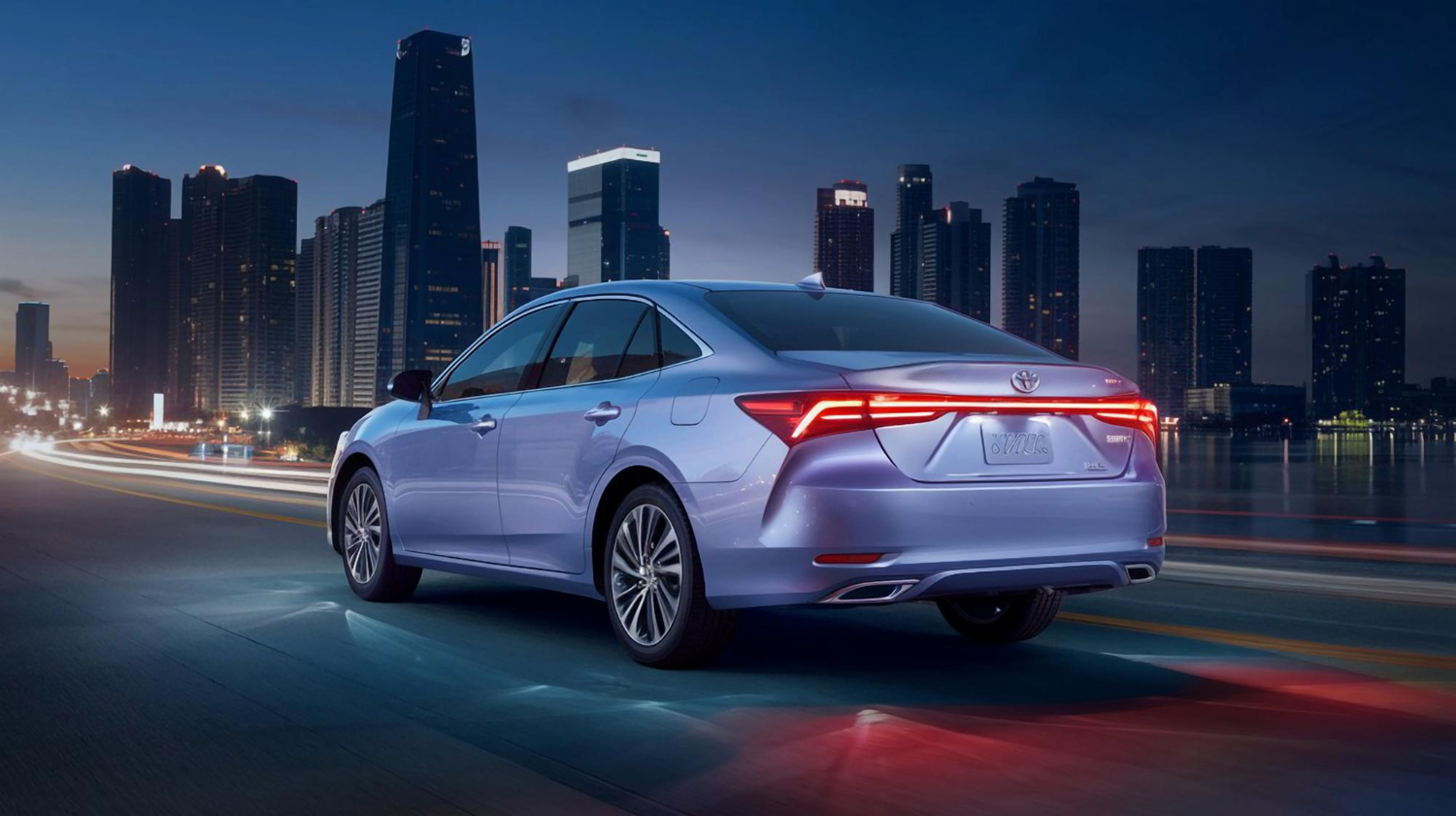
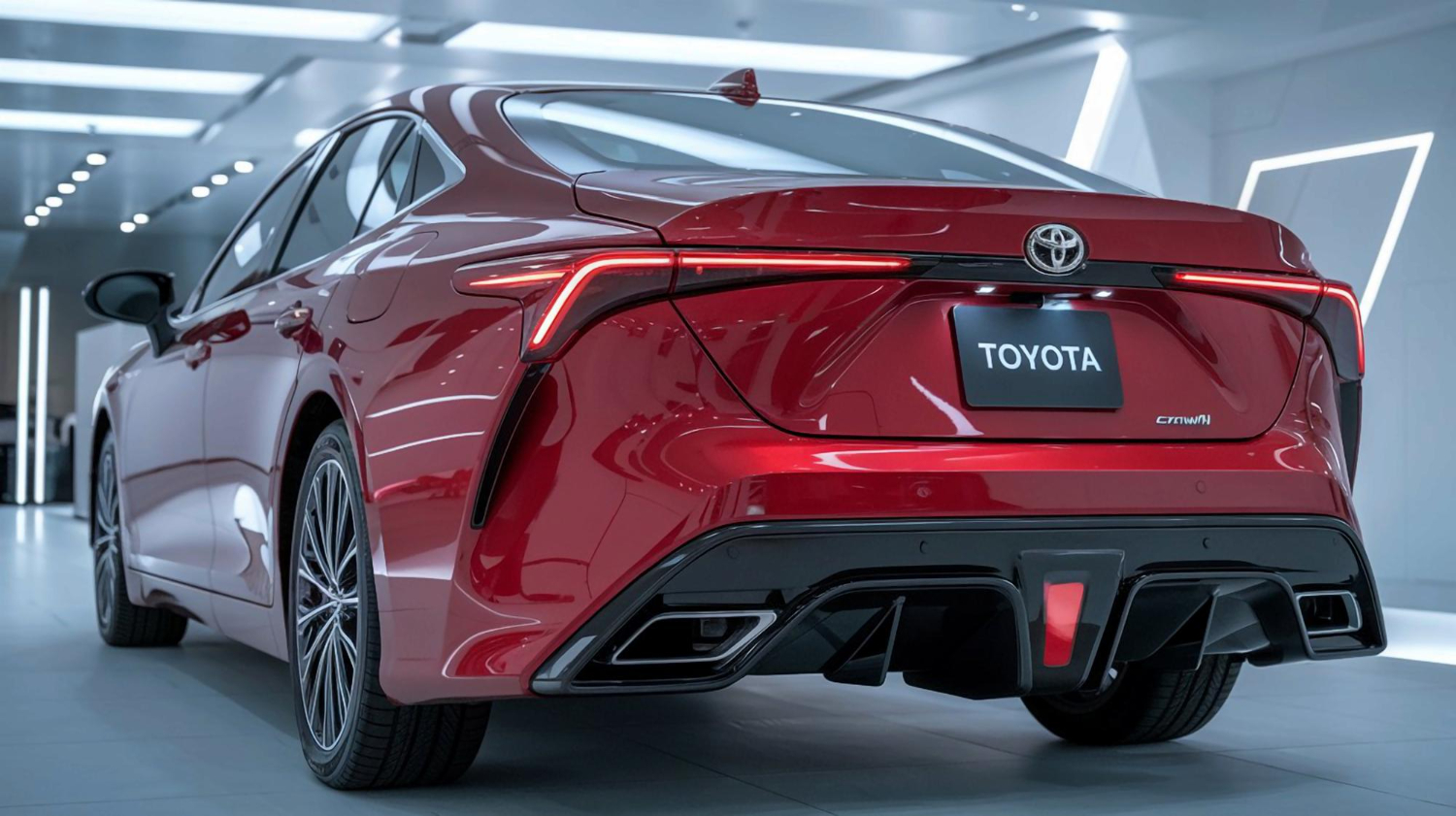
The resale value reduces how much your car depreciates. Depreciation is the decline in a car’s value over time. A vehicle with a higher resale value trusts you with fewer losses when you eventually decide to sell it. Several factors can influence a car’s resale value, and it’s crucial to recognize them. For instance, brand reputation plays a significant role; known brands like Toyota often have higher resale values because people trust them for durability and reliability.
Model popularity also has an impact. Cars that are in demand often hold their value better. Features, maintenance history, and market trends affect resale values too. Being aware of these factors helps you make wiser decisions when purchasing a new car.
Benefits of High Resale Value
Owning a car with a high resale value brings several financial benefits. First, the car keeps more of its original value, meaning when you sell it, you get more back, reducing the total cost you’ve invested in it. This financial advantage makes the initial cost of the car less overwhelming when viewed across several years of ownership.
Another benefit is the positive impact on trade-in opportunities. If you choose to trade in your car for a new one, a vehicle that holds its value allows you to receive a better trade-in offer. This makes transitioning to a newer model much smoother and more economical. The trade-in value can significantly reduce the amount you need to finance for your next car purchase.
A car with a high resale value also provides a safety net if you need to sell it unexpectedly. Life can be unpredictable, and having a valuable asset that’s easy to sell can provide financial flexibility in times of need. Whether it’s an unexpected move or a shift in family needs, a car that’s worth more can relieve financial stresses by allowing quick, profitable sales if necessary.
Resale Value and Depreciation
Depreciation is a key concept intertwined with resale value. When a car depreciates, it loses value as time passes. How quickly a vehicle loses value varies, impacting what it can be sold for later. A car that depreciates slowly is likely to have a higher resale value, which is why it’s important to understand this relationship.
Cars depreciate at different rates depending on factors like the make, model, and market demand. While some vehicles lose value rapidly within the first few years, others retain more value for a longer time. Luxury cars or those with abundant features might depreciate faster due to higher initial costs and maintenance expenses.
Choosing a car with good resale value involves looking at models historically known for holding their worth. Brands like Toyota often score well in this area, thanks to their reliability and reputation. Before making a purchase, consider researching performance reviews and industry reports that highlight vehicles with strong resale profiles. Opting for models that have a solid track record in retaining value can ensure you make a financially wise decision, reducing long-term costs.
Making Smart Purchase Decisions
When purchasing a new car, evaluating resale value beforehand can lead to smarter financial decisions. Start your research by comparing how different models hold their value over time. Online resources and automotive guides provide valuable information on expected depreciation and resale values, helping you to pinpoint vehicles with the best potential.
There are several tools and resources that assist with finding cars with strong resale potential. Websites and applications offer insights into market trends, consumer reports, and expert reviews to help you make informed choices. These tools can breakdown costs and provide comparisons that make evaluating options easier.
Maintenance plays a critical role in preserving a car’s resale value. Regular servicing according to manufacturer guidelines keeps the vehicle in top condition, reducing wear and tear that can diminish value. By maintaining comprehensive service records, you also build trust with prospective buyers, who will appreciate the evidence of consistent care. Doing so not only safeguards your investment but also maximizes the return when you’re ready to move on to another vehicle.
Conclusion
Resale value should be a fundamental consideration in your car buying process. It impacts costs over time, influences trade-in values, and provides financial security. By choosing models known for their resilience against depreciation and maintaining them well, you can keep expenses manageable and get the most out of your purchase.
If you’re interested in exploring new Toyota cars in Long Island with strong resale potential, visit Atlantic Toyota. Our team can help you find the perfect vehicle that fits your needs while holding its value, making sure your investment remains sound for years to come.
Avoiding Common Scams When Buying Used Cars
Buying a used car can be a great way to get a reliable vehicle without spending a fortune. But you need to be cautious to avoid common scams that trick many buyers. Scams can show up in sneaky ways, making it hard to spot them unless you know what to look for. Learning to identify these tricks will help you make a smarter purchase.
Fraudulent listings, misleading images, and shady transactions can lead to a bad experience. Knowing how to inspect the car, understand its history, and ensure a secure payment can protect you from these pitfalls. By staying alert, you can enjoy the benefits of a used car without falling victim to scams. With just a bit of knowledge and care, you can confidently navigate the used car market and find the right vehicle for you.
Recognizing Red Flags in Vehicle Listings
Spotting red flags in vehicle listings is crucial to avoid falling for scams. One of the main warning signs is when a car is listed for a price that seems too good to be true. Scammers often use unrealistically low prices to lure buyers. If you see a deal that looks much cheaper than similar listings, proceed with caution.
Deceptive practices are common in fraudulent listings. Keep an eye out for altered photos, which may hide the car’s true condition. Some scammers might use stock images or Photoshop to make the car appear more appealing. It’s important to ask for additional pictures or a video of the vehicle to ensure you’re seeing the actual car being sold.
To verify the authenticity of a listing, use trusted sources. Websites that specialize in car sales often have systems to check the legitimacy of listings. Look for verified sellers who have good reviews or ratings. If possible, try to see the vehicle in person before making any decisions. Performing a quick online search using the car’s information can also reveal if the listing has been flagged as fraudulent elsewhere.
Inspecting the Vehicle Thoroughly
Inspecting the vehicle carefully before purchasing is a smart way to avoid surprises. Start with checking the car’s exterior for any dents, rust spots, or paint inconsistencies that can signal past damage or hidden repairs. Ensure that the doors, hood, and trunk open and close smoothly.
Inside the car, inspect the upholstery for tears or stains. Make sure that all electronic devices, including the radio, lights, and windows, are in working condition. Pop the hood and check the engine bay for leaks, corrosion, or worn-out parts.
During a test drive, focus on how the car performs. Here is a simple checklist to guide you:
- Listen for unusual noises from the engine or brakes.
- Test the brakes to ensure they feel firm and responsive.
- Observe the steering response and alignment.
- Accelerate and decelerate to check transmission smoothness.
A professional inspection by a trusted mechanic is a good investment before you finalize the purchase. A mechanic can identify potential issues that aren’t immediately apparent and provide an unbiased assessment of the car’s condition. This step can save you from costly repairs down the road and confirm that you’re making a wise investment.
Understanding the Vehicle’s History
Before buying a used car, it’s crucial to understand its history. A vehicle history report gives you detailed information about the car’s past. This report reveals if the car has been in any accidents, how many owners it has had, and if there are any outstanding recalls.
When you get the report, focus on interpreting key information. Check for any major accidents that might have caused structural damage. A car involved in major accidents may have underlying issues, even if repaired. Also, look into previous ownership details. Multiple owners in a short period can be a red flag, suggesting potential problems with the car.
Verifying the odometer reading is vital to ensure that the car’s mileage hasn’t been tampered with. Compare the reading on the vehicle to the one in the history report. Pay attention to any records that seem inconsistent. A lower-than-expected reading could indicate that the odometer has been rolled back, which is illegal.
Safe Transaction Practices
Ensuring a safe transaction avoids scams during the purchase process. Begin by choosing secure payment methods. Use certified checks or electronic bank transfers that can be tracked. Avoid using cash as it offers no protection if things go wrong.
Verifying the seller’s identity and credibility is important too. Meet in a safe, public place and, if possible, bring a friend. Ask for the seller’s identification and the car’s title to confirm ownership. Check if the name on the ID matches the name on the title document.
Consider using secure platforms or reputable dealerships to ensure a smooth transaction. Well-established dealerships like Atlantic Toyota provide peace of mind, as they have measures in place to safeguard your purchase. These platforms check the legitimacy of sellers, reducing the risk of scams.
Conclusion
Avoiding scams when buying a used car requires careful attention to detail and a bit of detective work. By recognizing red flags, thoroughly inspecting the vehicle, understanding its history, and following safe transaction practices, you can significantly reduce your risk of falling victim to a scam. Protecting yourself involves being informed and vigilant at every step of the buying process.
When you’re ready to make your used car purchase, consider visiting Atlantic Toyota. Our team helps you navigate the buying process with transparency and trust. Feel secure with our expertise and drive away with confidence, knowing you have found a quality used Toyota in Camry, Long Island, that’s perfect for you!
Choosing Between OEM and Aftermarket Parts
When it’s time to replace parts on your Toyota, you face a choice between OEM and aftermarket options. Both have their own pros and cons that might impact your decision, depending on your specific needs and budget.
OEM parts come directly from Toyota or its partners, promising a perfect fit and high quality. These parts are just like the ones used when your car was new. On the other hand, aftermarket parts are made by other companies and can offer variety and lower costs. They can be a good choice if you’re looking for budget-friendly options.
Choosing the right part type can be challenging, so it’s essential to understand what each option offers. This way, you can make the best decision for your Toyota, ensuring it runs smoothly and safely on the road.
Understanding OEM and Aftermarket Parts
OEM parts, or Original Equipment Manufacturer parts, are made by the manufacturer of your car or its approved partners. In the case of a Toyota vehicle, these parts are engineered to match the original specifications of your car when it was first built. This ensures a perfect fit and the same performance level as the original part. They are often found at dealerships like Atlantic Toyota, guaranteeing you the precise part designed for your vehicle model.
Aftermarket parts, on the other hand, are produced by companies other than the original manufacturers. These parts can offer the same functionality, but they are not subjected to the specifications and quality controls of the car brand itself. Aftermarket manufacturers vary greatly in terms of quality, price, and reliability. Many aftermarket parts are widely available at auto parts stores or online, offering a range of choices from budget-friendly to premium offerings.
Drivers may choose OEM parts for the peace of mind that comes with guaranteed compatibility and reliability. OEM parts are ideal for those who want to maintain their car’s original performance characteristics. However, some drivers might opt for aftermarket parts for various reasons, including lower cost or access to performance enhancements not offered by OEM components. The decision often comes down to the driver’s individual needs and priorities.
Pros and Cons of OEM Parts
OEM parts come with several benefits that appeal to many Toyota drivers. One of the primary advantages is the guaranteed fit and match to the original parts used in your vehicle, which means these parts can be more reliable. You won’t have to worry about compatibility issues, and their higher quality often means a longer lifespan. Another benefit is that OEM parts often include a warranty, providing additional peace of mind.
On the downside, OEM parts can be more expensive compared to aftermarket options. They are usually available only through dealerships, which might limit accessibility for some drivers. Additionally, OEM parts may have longer wait times if they need to be ordered from the manufacturer, especially for less common parts.
Scenarios where OEM parts might be more suitable include maintaining the resale value of your vehicle or when you seek to preserve the manufacturer’s warranty. For example, if you drive a relatively new Toyota and want to keep it running in its factory condition, sticking with OEM parts might be the better option. This ensures you get parts that are specifically designed for your vehicle without compromising on performance or quality.
Pros and Cons of Aftermarket Parts
Aftermarket parts offer several appealing benefits. One of the biggest advantages is cost savings. These parts are often cheaper than OEM parts, making them an attractive option if you’re on a budget. The lower price can be especially beneficial for older vehicles where the car’s total value doesn’t justify expensive repairs. Aftermarket parts also provide a wider selection, allowing you to choose from various brands and styles. This can include options for upgrades or enhancements that aren’t available through OEM selections.
However, there are some potential issues to consider with aftermarket parts. Quality can vary significantly from one manufacturer to another, which can lead to performance issues or even damage if substandard parts are used. Additionally, some aftermarket parts may not include warranties, or they may void your existing car warranty if not used properly. Furthermore, while the variety of choices is often seen as an advantage, it can also be overwhelming, requiring you to research thoroughly to find the right match for your needs.
Choosing aftermarket parts can be wise in cases such as when customizing your vehicle or if you need cost-effective repairs for older cars. If you know your way around car parts or have a trusted mechanic, you might find great deals among aftermarket products. Yet, it’s crucial to prioritize quality and compatibility to keep your Toyota running safely and efficiently.
Making the Right Choice for Your Toyota
Deciding between OEM and aftermarket parts involves weighing a few key considerations. Cost is often the first factor drivers think about. While OEM parts guarantee fit and reliability, they come at a higher price point. Meanwhile, aftermarket parts offer more budget-friendly options but might require extra diligence to ensure quality.
Another important aspect is your vehicle’s age and how you use it. Older vehicles may benefit from the cost savings of aftermarket parts, especially when high precision isn’t as crucial. In contrast, for newer cars or if aiming to maintain factory conditions, OEM parts could be the better route.
Consider your long-term goals as well. If you plan to sell the car in the near future, maintaining OEM parts can help uphold the vehicle’s resale value. Whether you choose OEM or aftermarket, always evaluate the quality and reliability before making a purchase. Talking to trusted mechanics or doing research can prevent making decisions that might compromise your car’s performance.
Conclusion
Understanding the differences between OEM and aftermarket parts helps you make informed decisions for your Toyota. Both have unique benefits and potential drawbacks, and the choice heavily depends on your specific circumstances, including budget, vehicle condition, and intended use. Whether you choose OEM for guaranteed compatibility or aftermarket for its versatility and cost savings, it’s crucial to prioritize quality and fit.
Ultimately, the right choice will keep your Toyota in top condition, providing you with a reliable and enjoyable driving experience. For personalized advice or to purchase genuine auto parts that meet your standards, visit Atlantic Toyota. Our expert team is ready to assist you in selecting the parts that best suit your vehicle’s needs, ensuring you get the best performance and value from your Toyota.
Crucial Steps to Follow When Inspecting Used Cars
Buying a used car can be a smart way to save money, but it requires careful inspection to ensure you’re getting a good deal. Without checking the car thoroughly, you might end up with surprises that could lead to expensive repairs down the road.
Start by taking a close look at the car’s exterior and interior. This helps you spot any obvious problems like rust or worn seats that could affect the car’s value. Then, make sure to pop the hood and inspect what’s underneath. Check for leaks or other signs of trouble that might not be visible at first glance.
A test drive is another essential step, giving you a feel for how the car performs on the road. Pay close attention to how it handles and listen for any odd noises. Finally, reviewing the car’s history and documents can reveal if it’s had past issues or if it has been well-maintained. Following these key steps can help you make a confident and informed decision.
Exterior and Interior Inspection
Begin your inspection by thoroughly examining the car’s exterior. Take a walk around the vehicle and carefully check for rust spots, dents, and any signs of uneven paint. Rust can be a significant issue, especially if it’s found on the car’s body or structural components, as it may indicate deeper problems. Dents might not affect the car’s function, but they can certainly reduce the vehicle’s resale value. Uneven paint may suggest previous accident damage that was not professionally repaired.
After you’ve checked the body, turn your attention to the tires. Examine them for signs of wear like uneven tread patterns, which might indicate alignment issues. Also, ensure the tires are properly inflated. Tires in good condition are essential for safe driving and can affect fuel efficiency.
Moving to the interior, open the doors and inspect the condition of the seats. Look for rips, tears, or excessive wear that may require repairs. Check the functionality of the seat adjustments and ensure they can move smoothly. Explore the dashboard and controls; try all the buttons and switches to verify they work correctly. Don’t forget to check the car for any unusual odors. Strange smells could point to issues like mold or previous owners that smoked, impacting the car’s comfort and air quality.
Under the Hood
Lift the hood to get a look at what’s happening inside. Start by inspecting the engine bay for any signs of leaks, which could suggest problematic seals or gaskets. Look for dark or wet spots that indicate fluid loss. Next, examine the belts and hoses for wear or cracking. These components are crucial for the engine to function properly and should be in good condition.
Checking fluid levels is another vital step. Pull out the dipstick to assess the oil level and condition; the oil should be free of debris and at the correct fill line. Low or dirty oil might suggest that the car isn’t receiving regular maintenance. Similarly, pop the caps on the coolant, brake fluid, and transmission fluid reservoirs to ensure they are filled to the appropriate levels.
The battery is another key component under the hood. Look at its condition to ensure it doesn’t have corrosion or buildup around the terminals. A clean battery with tightly secured terminals is essential for reliable starts and electrical functions. If the battery is dirty or has visible white or blue powder, it might need cleaning or replacement soon.
These inspections don’t require mechanical expertise, but they do demand keen attention to detail. Making sure these areas are in good shape helps you avoid costly problems later and ensures your used car purchase is a smart one.
Test Driving the Vehicle
Taking the used car for a test drive is one of the most telling parts of your inspection. This gives you firsthand experience of how the vehicle performs on the road. Start by checking the car’s handling. Drive at varying speeds to make sure the car accelerates smoothly and feels stable. Pay close attention to the steering response and see if it feels tight and accurate. This will help you notice if there are any alignment issues or problems with the power steering system.
While driving, test the brakes. Check how the car responds when you press down on the brake pedal. It should be firm and stop the car smoothly without any unusual noises. Grinding or squeaking could indicate worn brake pads or rotors. Evaluate the car’s performance on different surfaces to ensure consistency in braking effectiveness.
As you drive, listen for any unusual noises, especially when accelerating or braking. Sounds like knocking, rattling, or whining could signal problems with the engine, suspension, or transmission. Also, test all the electronic features, including the lights, indicators, and the sound system, to confirm that everything functions correctly. Small issues with electronics can sometimes lead to larger electrical problems if not addressed early.
Reviewing Vehicle History and Documentation
After the physical inspections and test drive, reviewing the vehicle’s history and documentation is crucial. Begin by obtaining a comprehensive vehicle history report. This report provides valuable information, including any past accidents, repairs, and how many previous owners the vehicle has had. It serves as an important tool to verify that the car doesn’t have a hidden past that could cause future issues.
Next, examine the car’s service records. These documents confirm whether the previous owners have kept up with regular maintenance. This can include oil changes, tire rotations, and other routine services. Consistent maintenance records usually suggest that the car has been well-cared for, reducing the risk of unforeseen mechanical problems.
It’s also wise to check if there are any recalls on the car model and ensure those recalls have been addressed. A quick search online or a call to the manufacturer can provide this information. Unresolved recalls can pose safety risks and might require immediate attention before proceeding with the purchase. These documents give you peace of mind about the car’s background and future reliability.
Final Thoughts
Inspecting a used car thoroughly before purchasing is essential to ensure you are making a wise investment. By following these crucial steps, such as evaluating the car both inside and out and covering all essential mechanical components, you reduce the risk of future problems. A detailed inspection process helps reveal potential red flags that could lead to costly repairs if overlooked.
Taking your time during the inspection and asking questions when in doubt are important steps in the buying process. Compare findings from multiple cars if needed, as this could give you a benchmark for what to expect from cars in similar conditions. It’s always better to be cautious and informed rather than rushing into a decision without full confidence.
When you’re ready to look at used Toyotas, visit Atlantic Toyota in West Islip, NY. Our team is here to help you find the perfect used vehicle while ensuring it meets all your expectations for quality and reliability. Come explore our quality selection and take a test drive today. We believe you’ll find just what you’re looking for, backed by our trusted expertise in every vehicle.
How to Keep Your Toyota Running Smoothly
Keeping your Toyota running smoothly does not have to be a daunting task. With a little effort and regular attention, you can ensure that your car remains reliable and efficient for many years. Starting with simple routine checks, you can catch potential issues before they turn into costly repairs.
Performing regular maintenance helps keep your Toyota in top shape. By sticking to a schedule, you can extend the life of your vehicle and enjoy a trouble-free driving experience. Understanding the importance of using genuine parts and paying attention to warning lights will further enhance your car’s performance.
Technology also plays a big role in maintaining your Toyota. Keeping up with software updates can improve the vehicle’s performance and safety features. By following easy guidelines and best practices, you can keep your Toyota running smoothly and enjoy peace of mind on the road.
Regular Maintenance Checks
Keeping your car in top shape requires regular maintenance checks. These checks help ensure your vehicle runs smoothly, lasts longer, and performs better. For Toyota owners, adhering to the maintenance schedule is especially crucial to maintain the vehicle’s reliability and efficiency.
Routine maintenance tasks include essential services like oil changes, tire rotations, and brake inspections. Oil changes keep the engine lubricated and running efficiently, preventing friction and wear. Typically, this should be done every 5,000 to 7,500 miles, depending on your car’s model and your driving conditions. Tire rotations help the tires wear evenly, extending their lifespan. Schedule this service every 6,000 to 8,000 miles. Brake inspections are also vital, ensuring that your vehicle can stop quickly and safely; consider having them checked every 12,000 to 15,000 miles or at least once a year.
Here’s a quick timeline for key maintenance tasks:
- Oil Changes: Every 5,000 to 7,500 miles
- Tire Rotations: Every 6,000 to 8,000 miles
- Brake Inspections: Every 12,000 to 15,000 miles
Following this routine keeps your Toyota going strong and can prevent costly repairs down the line. Regular check-ups also allow professionals to spot and fix minor issues before they become major problems.
Using Genuine Toyota Parts
Using genuine Toyota parts for repairs or replacements is critical in maintaining your car’s performance and longevity. Authentic parts are designed to fit and function perfectly with your specific Toyota model, ensuring optimal performance and safety.
Common parts that might need replacement include air filters, spark plugs, brake pads, and belts. Using genuine Toyota components offers several benefits: they are engineered to Toyota’s exacting standards, ensuring durability and reliability. This can lead to a longer life for your vehicle and better overall performance.
The use of aftermarket parts can sometimes pose risks. While they may seem cheaper initially, these parts might not meet the same quality standards. They can lead to performance issues and could potentially void your manufacturer’s warranty.
Key benefits of using genuine Toyota parts include:
- Perfect Fit: Specifically designed for your Toyota model
- Quality Assurance: Toyota’s quality control ensures reliability
- Warranty Protection: Helps maintain your warranty validity
Choosing genuine parts might cost a bit more upfront but saves you money and headaches in the long run, preserving the integrity of your Toyota.
Monitoring and Addressing Warning Lights
Dashboard warning lights play a crucial role in keeping your Toyota running safely and efficiently. These lights alert you to potential issues and should never be ignored. Learning how to respond to them can help you maintain your vehicle’s health.
Different warning lights indicate different problems, and it’s important to know what each one means. For example, a red engine light typically signals a serious issue requiring immediate attention, whereas a yellow light might just indicate a minor problem that can be checked soon. Oil pressure and battery lights are other common indicators that signal when to take action.
A quick guide to common warning lights:
- Check Engine Light: Could mean a range of issues, consult a professional
- Oil Pressure Light: Check and add oil immediately
- Battery Light: Indicates charging system trouble; check battery or alternator
- Brake Light: Check brake fluid levels and brakes
Maintaining the onboard diagnostics system is key to catching problems early. Ensure your system receives regular checks and updates at a professional service center. Timely addressing of these warning lights can prevent larger issues and keep your Toyota running smoothly.
Keeping Up with Software Updates
Software updates can greatly enhance the performance and safety of your Toyota. These updates include fixes for tech glitches, improvements to features, or enhancements in safety systems like collision warning and lane-keeping assist.
To check for updates, connect your car to the internet, either through a Wi-Fi network or via a smartphone connection. Many new Toyotas come equipped with features that prompt you when a new update is available, but you can also manually check through your vehicle’s settings menu.
Installing updates is usually straightforward. Follow the on-screen instructions provided by the system. It’s wise to keep your vehicle parked during the process to ensure all components update correctly without interference.
Connectivity features play an important role in keeping your car’s tech running efficiently. These features allow for seamless software updates and ensure that your car’s systems are always up-to-date. Regular updates help enhance your car’s performance, keep advanced features functioning at their best, and may even improve fuel efficiency.
Conclusion
Proper maintenance practices and staying informed about your Toyota’s needs are essential for ensuring its longevity and performance. Regular checks, using genuine parts, monitoring warning lights, and keeping up with software updates collectively work to extend the life of your vehicle. Each of these elements plays a critical role in making sure your Toyota remains a reliable and safe mode of transportation.
Whether it’s addressing a warning light before it evolves into a significant problem or updating your vehicle’s software to tap into the latest safety features, diligence in these areas pays off. These proactive steps help avoid costly repairs and ensure you enjoy a trouble-free driving experience.
For a detailed inspection or genuine parts, visit our service center at Atlantic Toyota in West Islip, NY. Our skilled team is here to help keep your Toyota in peak condition, ensuring every ride is as safe and enjoyable as the first. Explore our comprehensive maintenance services today and drive confidently with Atlantic Toyota!
The Most Popular New Toyota Models in 2025
Toyota continues to be a favorite among car enthusiasts, and 2025 is shaping up to be no different. As the automotive giant rolls out its latest models, drivers are eagerly checking out the new features and enhancements. With classic reliability and cutting-edge technology, these Toyota models are making waves in the car world.
This year, Toyota has focused on blending style, performance, and efficiency. Whether you’re into sleek designs or advanced tech, the lineup offers something for everyone. From eco-friendly options to family-friendly rides, the 2025 Toyota models cater to a variety of needs and preferences. Let’s take a closer look at what makes these vehicles stand out this year.
Highlighting the Best-Selling Toyota Models of 2025
The best-selling Toyota models of 2025 are winning over drivers with their perfect blend of style, technology, and reliability. This year’s lineup showcases some popular favorites, each standing out for its unique features and appeal.
The Toyota Camry continues to shine as a top choice for its fuel efficiency and sleek design. Updated with modern tech features such as a larger infotainment screen and wireless phone charging, it’s no wonder Camry remains a favorite. Its spacious interior and smooth ride make it ideal for both families and solo commuters.
The Toyota RAV4 maintains its status as a leading SUV thanks to its versatility and robust design. Whether it’s city driving or a weekend adventure, the RAV4 adapts to every need. It comes with advanced safety features and improved off-road capabilities, adding to its popularity.
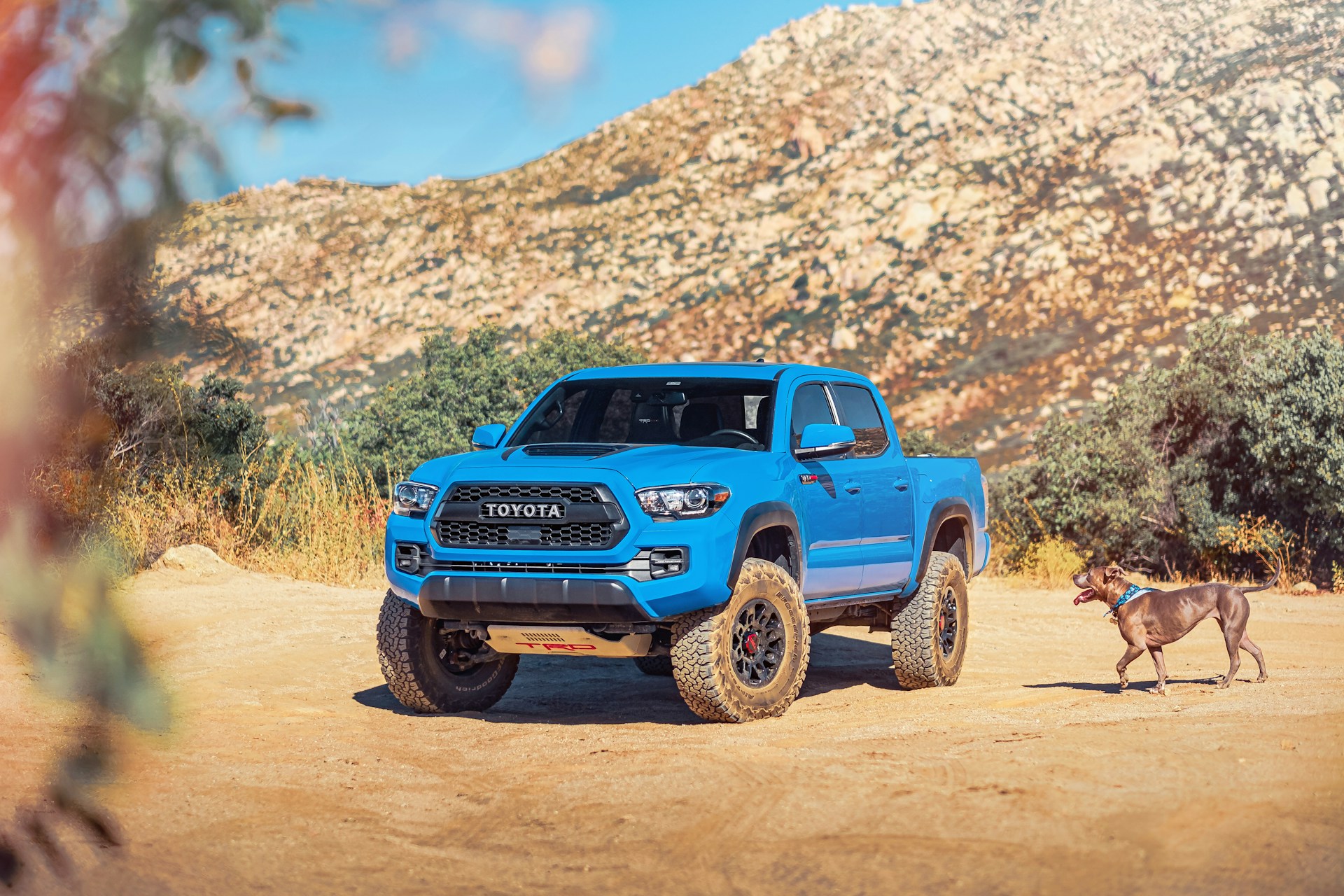
The Toyota Tacoma picks up steam among pickup enthusiasts. Known for its reliability and durability, the 2025 Tacoma introduces new off-road enhancements and increased towing capacity, appealing to those who crave performance.
Why are these models so popular this year? Consumers appreciate their combination of comfort, technology, and efficiency, alongside Toyota’s reputation for building lasting vehicles. These models address various customer needs, ensuring that Toyota remains a top contender in the automotive world.
Performance and Efficiency Features
Toyota models in 2025 emphasize both performance and fuel efficiency, catering to drivers who seek power without sacrificing economy. The latest lineup delivers a range of engine options designed to appeal to different driving preferences.
Many Toyota models offer multiple engine choices, from traditional gas engines to efficient hybrid systems. Hybrids, like the one in the Toyota Prius, continue to attract buyers for their impressive gas mileage, reducing visits to the pump. Meanwhile, the brand is expanding its electric vehicle options, like the all-electric Toyota bZ4X, responding to growing demand for eco-friendly driving.
Advanced technology also makes driving a breeze. Features like adaptive cruise control, dynamic radar for smooth handling, and predictive efficiency systems enhance performance, making every journey more enjoyable. These technologies make driving safer and increase confidence behind the wheel.
Toyota hasn’t stopped there, as they continue exploring hybrid and electric innovations. These vehicles promise reduced emissions and lower running costs. The growing lineup of hybrid and all-electric models signals Toyota’s commitment to sustainability and meeting changing consumer expectations.
In summary, the 2025 Toyota models impress with their engine variety, technology-enhanced driving, and a forward-thinking approach to hybrid and electric vehicles, giving drivers the choice of performance with a conscience.
Safety and Technology Innovations
Toyota’s commitment to safety and technology shines in the 2025 models. This year, Toyota Safety Sense continues to be a standout feature across its lineup. The suite includes tools like pre-collision systems, lane departure alerts, and pedestrian detection. These features work seamlessly to prevent accidents and enhance driver awareness.
New technology upgrades focus on driver assistance. Adaptive headlights and blind-spot monitoring contribute to safer driving, especially during tricky conditions. A big leap in this year’s models is the introduction of an upgraded driver-assist mode that provides semi-autonomous driving capabilities. This advancement offers greater control and comfort on long drives.
Connectivity is another area where Toyota excels in 2025. The latest infotainment systems now support faster connectivity and voice-command capabilities. Drivers can expect improved wireless charging pads, better smartphone integration, and high-resolution touchscreens that make in-car entertainment more enjoyable.
These technological and safety enhancements highlight Toyota’s dedication to innovative solutions. By integrating state-of-the-art technology, Toyota improves safety, connectivity, and the overall driving experience, making every journey both secure and enjoyable.
Style and Comfort Enhancements
The look and feel of the 2025 Toyota models exemplify elegance blended with functionality. The exterior design updates bring a more streamlined appearance with bolder lines and modern touches that attract attention. Chrome accents and dynamic lighting options enhance the sleek look.
Inside, Toyota has focused on providing a luxurious cabin experience. High-quality materials like soft-touch plastics and premium upholstery increase comfort and style. Ergonomic seating ensures long drives are comfortable, and ambient lighting sets the mood for any journey.
Customization is key to the 2025 models. Buyers can choose from a variety of interior colors and materials to match their personal preferences. Optional packages offer features like upgraded audio systems, panoramic sunroofs, and enhanced comfort features, including heated and ventilated seats.
These design and comfort improvements emphasize Toyota’s commitment to combining style with practicality. With a keen eye on customer needs, Toyota’s 2025 models provide a customizable, comfortable, and stylish driving experience.
Conclusion
The 2025 Toyota lineup stands out for its innovative blend of technology, style, and performance. These models cater to a broad audience, offering vehicles that balance cutting-edge tech with eco-friendly options. Toyota’s ongoing commitment to safety and comfort remains impressive, ensuring drivers feel at ease and in control behind the wheel.
Whether it’s the enhanced connectivity in infotainment systems or the luxurious materials focused on customer comfort, Toyota ensures that every detail adds to a refined driving experience. This attention to style, safety, and technology solidifies Toyota’s position as a leader in the automotive industry.
Visit Atlantic Toyota in West Islip, NY, to explore these exciting new models. Our knowledgeable staff is ready to help you find the perfect Toyota that meets your needs. Stop by and experience firsthand why Toyota’s 2025 lineup is making headlines!
How to Enhance Your Toyota’s Fuel Efficiency
Getting better gas mileage from your Toyota is easier than you think, and it helps you save money while reducing your impact on the environment. With just a few adjustments in how you maintain and drive your car, you can make a noticeable difference in your vehicle’s fuel efficiency. It doesn’t take much effort to keep your gas tank fuller for longer.
Fuel efficiency is influenced by many factors, from how you drive to how you care for your car. By focusing on regular maintenance, smart driving habits, and using the right technology, you can optimize your Toyota for the best possible fuel economy. These small changes add up to significant savings over time.
Let’s explore some practical strategies that every Toyota owner can use to enhance fuel efficiency. Whether you’re heading to work or planning a road trip, these tips will help you keep your fuel costs down and enjoy your Toyota to the fullest.
Regular Maintenance for Optimal Performance
Keeping your Toyota in tip-top shape through regular maintenance is key to ensuring good fuel efficiency. A well-maintained car runs smoothly, using fuel efficiently and reducing wear and tear. This means fewer trips to the gas station, so you can save money and drive with confidence.
Start with the basics: regular oil changes. Clean oil reduces friction between engine parts, allowing your engine to run more efficiently. Fresh oil also helps to prevent build-up of dirt and debris, promoting better performance. Air filter maintenance is equally important. A clean air filter ensures proper airflow to the engine, which can improve fuel economy significantly. Likewise, don’t overlook tire maintenance. Properly inflated tires create less road resistance, leading to better mileage. You should check your tire pressure monthly and adjust to the recommended levels found in your owner’s manual.
In addition to these tasks, keeping an eye on your vehicle’s alignment and brakes is crucial. Misalignment causes extra drag, making your engine work harder. Regular brake maintenance prevents unnecessary drag on your tires, saving fuel in the long run. Performing these maintenance tasks at recommended intervals will keep your Toyota running efficiently and improve your gas mileage.
Smart Driving Habits to Save Fuel
Smart driving habits can make a big difference in your vehicle’s fuel efficiency. Every time you get behind the wheel, small changes in how you drive can save gas and money. Here are a few easy ways to become a fuel-efficient driver:
1. Maintain a Steady Speed: Rapid acceleration and sudden braking waste fuel. Use gentle starting and stopping. Try to keep a steady pace by using the accelerator smoothly.
2. Reduce Idling: Idling burns more fuel than restarting your engine. If you’re going to be parked for a while, it’s better to turn off the engine.
3. Cruise Control: On long, flat highways, use cruise control to maintain a constant speed and save fuel.
4. Avoid Heavy Loads: The heavier your car, the more fuel it uses. Remove unnecessary items from your trunk and backseat.
5. Plan Your Trips: Combine errands into one trip to minimize travel time and distance, which cuts down on fuel usage.
Practicing these smart driving habits helps you get the most out of each gallon of gas. With consistent efforts, you’ll notice your stops at the pump become less frequent, making your travels more efficient and cost-effective.
Maximizing Technology for Better Mileage
Taking full advantage of the technology built into your Toyota can significantly boost your fuel efficiency. Modern vehicles come loaded with features designed to help you save on fuel costs while enhancing your driving experience. Understanding and using these features properly can lead to smarter and more economical travel.
Start by exploring your vehicle’s eco-driving modes, if available. Engaging these modes adjusts the engine and transmission response to maximize efficiency. This often results in a more controlled and efficient driving style, encouraging you to drive in a way that uses less fuel.
In addition, your Toyota’s navigation system can be a helpful tool. By planning the most efficient routes using real-time traffic updates, you can avoid stops and congested areas where fuel consumption increases. This approach not only reduces the time spent on the road but also the amount of gas used during your trips.
Also, pay attention to other features like precise tire pressure monitors and automatic start-stop systems, which help maintain optimal performance. These tools help spot minor issues before they turn into fuel-guzzling problems. By leveraging these technologies, you make strides toward better mileage and a greener footprint, relying on the innovation built right into your Toyota.
Keep Your Vehicle Light and Aerodynamic
Minimizing weight and enhancing your car’s aerodynamics are simple yet effective ways to boost efficiency. Every extra pound that your car carries means more work for the engine, which consumes more fuel. Managing the weight and shape of your vehicle can ease this burden significantly.
Begin by decluttering your car. Simple steps like removing unnecessary items from the trunk and interior can help reduce weight. A lighter vehicle requires less energy to move, leading to better fuel efficiency. Frequent checks for items that you don’t really need during your drives can make a noticeable difference.
Aerodynamics also plays a crucial role in how much fuel your car uses. An aerodynamic vehicle cuts through the air more efficiently, reducing fuel consumption. You can achieve this by removing roof racks when not in use and ensuring windows are closed while driving at high speeds. Keeping windows up helps maintain a smooth airflow around the car, promoting better mileage.
By keeping your car light and sleek, you reduce the drag and energy required to maintain speed. These adjustments are easy to implement and have a measurable impact on your vehicle’s fuel economy, contributing to savings and a more energy-efficient drive.
Conclusion
Taking proactive steps to enhance your Toyota’s fuel efficiency pays off in more ways than one. You enjoy savings at the pump, extend the life of your vehicle, and contribute to a cleaner environment. By focusing on regular maintenance, smart driving habits, and utilizing the available technology, you’re setting your vehicle up for the best performance.
Weight management and aerodynamics also play an important role. These strategies are accessible to every driver and don’t require complex changes. A little effort turns into big savings and makes your trips more enjoyable.
To see these benefits in action and get personalized advice, visit Atlantic Toyota in West Islip, NY. Our knowledgeable team can help you select the best solutions for improving your vehicle’s efficiency. Whether you’re interested in our eco-friendly models or want tips on enhancing your current ride, Atlantic Toyota is your go-to destination.
Pros and Cons of Buying New Cars vs. Used Cars
Choosing between a new car and a used car can be tough. Both options have their benefits and challenges. It ultimately depends on what you value most in a vehicle. Whether you’re looking at costs, features, or warranty options, understanding each choice can help you decide what fits best for your lifestyle and budget.
New cars offer the latest technology and a fresh warranty, but they come with a higher price tag. On the other hand, used cars might be more budget-friendly and have a slower depreciation rate. Knowing what each choice brings to the table helps you make an informed decision.
As you explore your options, consider your needs and priorities. Whether you desire the latest gadgets or a more affordable ride, this guide will help you weigh the pros and cons, ensuring you feel confident in whichever path you choose.
Financial Considerations
When deciding between a new or used car, it’s important to understand how the financial aspects differ. Let’s start with the initial costs. New cars usually have higher prices than used cars. This means a bigger upfront payment or higher loan amounts. On the flip side, used cars tend to be more affordable, with a lower sticker price, making them a practical choice for budget-conscious buyers.
Depreciation is another crucial factor. New cars lose value quickly as soon as they leave the dealership. Typically, a new car’s value drops by about 20% in the first year and continues to depreciate rapidly over the next few years. In contrast, used cars have already faced this steep depreciation, so their value remains more stable after the initial years.
Consider loan options and interest rates, too. Interest rates for new car loans are often lower due to enhanced lender security. Used car loans might come with higher rates, but the lower principal balance often keeps payments manageable.
Here is a quick comparison:
- Initial Costs: New cars are more expensive than used.
- Depreciation Rates: New cars depreciate faster than used.
- Loan Options: New cars may offer lower interest rates.
Understanding these financial differences can aid in making a decision that best fits your budget and future needs.
Warranty and Maintenance
Warranties play a major role in the decision-making process between new and used cars. New cars typically come with a manufacturer’s warranty, offering peace of mind by covering repairs and defects for a specific time frame or mileage. This helps protect you from unexpected repair costs early in ownership.
Used cars, however, might not have a current warranty unless you opt for a certified pre-owned vehicle or an extended warranty. Extended warranties can offer similar benefits as new car warranties, though usually at an additional cost.
Maintenance costs also vary between new and used cars. New cars usually require less maintenance initially, thanks to their condition and warranty coverage. On the other hand, used cars might need more frequent service and part replacements, adding to the cost over time.
Now, speaking of Toyota vehicles, their reputation for reliability often means lower maintenance costs. Toyotas are known for their durability and long lifespan, which impacts the maintenance needs positively.
To summarize:
- Warranties: New cars have manufacturer warranties, while used may need extended warranties.
- Maintenance Costs: Initially lower for new cars; used need more frequent service.
- Toyota Reliability: Known for durability, reducing maintenance expenses over time.
These factors should guide your decision based on what meets your needs and your comfort level with potential maintenance requirements.
Features and Technology
Modern cars are packed with exciting technology and features that enhance convenience, safety, and entertainment. New cars often come equipped with the latest advancements, such as touch-screen infotainment systems, advanced safety features like adaptive cruise control, and smart connectivity options, including Apple CarPlay and Android Auto. These features offer a seamless blend of technology and driving experience.
When comparing new models to older ones, it becomes clear that newer cars generally have more advanced technology. Older models might not have built-in navigation, high-definition rear cameras, or modern audio systems. However, this doesn’t mean used cars lack value. You can often find high-end features in well-maintained used cars at a fraction of the cost of a new car. Luxury elements, such as leather interiors, premium sound systems, and sunroofs, might be available at lower prices with used vehicles.
Moreover, used cars allow you to afford a higher model with added features that might be too costly in their new counterparts. This can be an excellent way to experience premium additions without overspending.
In short, whether you opt for a new car brimming with the latest tech or a used car with unique and useful features, consider what technology suits your needs and enhances your driving experience.
Resale Value and Long-Term Considerations
When planning to buy a car, considering its resale value is smart. Resale value is influenced by how well a car retains its worth over time. New cars usually depreciate faster, primarily in the first few years. This steep drop can affect their resale value if you plan to sell or trade in the vehicle soon.
Used cars typically have a slower depreciation rate since they’ve undergone the majority of their value drop within the first few years. This can make them a practical choice if you want to avoid the sharp depreciation new cars face and potentially sell for a better price later.
Think about long-term savings or expenses, too. Purchasing a used car might save money upfront and help maintain a better resale value. However, it could come with higher maintenance costs as parts wear out. New cars might cost more initially but could provide long-term savings through warranties and fewer repairs.
Toyota vehicles hold their value well due to their popularity and reliability. The brand’s reputation means Toyotas often have strong resale values. This reliability factor ensures that both new and used Toyotas remain valuable investments over time.
Conclusion
Choosing between a new and used car involves understanding financial, technological, and long-term considerations. With new cars offering the latest technology and warranties, and used cars providing cost savings and potentially valuable features, both options present benefits that can suit different needs.
By weighing the costs, maintenance, features, and resale potential, you can make an informed decision that aligns with your lifestyle and budget. Always consider the purpose and what you value most in your driving experience to help guide your choice.
If you’re ready to make an informed decision on your next car, visit Atlantic Toyota in West Islip, NY. Our friendly team is here to help you find the vehicle that matches your needs, whether it’s a new model with the latest features or a well-equipped used car. Stop by and explore our wide selection today.
Ways to Secure a Safe Used Car Purchase
Buying a used car can be an exciting adventure and a smart way to save money. Whether it’s your first time purchasing a used vehicle or you’re an experienced buyer, ensuring that your choice is both safe and reliable is key. Making the wrong decision could lead to headaches and unexpected expenses, so it’s essential to know how to navigate the process effectively.
A good place to start is with thorough research. Finding out about different models, years, and their histories helps you make an informed choice. Coupled with a detailed inspection and test drive, these steps contribute significantly to the safety and satisfaction of your purchase. Understanding pricing and mileage further supports you in making the right decision.
Finally, getting a grip on warranties and guarantees provides an extra layer of comfort. With the right approach and attention to detail, you can confidently secure a used car that meets your needs and fits your lifestyle.
Research and Due Diligence
Doing your homework before buying a car can save you a lot of time and money. When it comes to different models and years, it’s key to research how each performs over time. Some models might have higher reliability, while others offer better features for the price. This information helps you make a smart choice that fits your needs and budget.
Checking a vehicle’s history report is crucial. Tools like Carfax or AutoCheck provide details about previous accidents, ownership history, and even if the car has been in a flood. These reports give you a clearer picture of what the vehicle has been through and whether it’s worth considering.
Look out for common scams and red flags. If a deal sounds too good to be true, it probably is. Be wary of sellers who are unwilling to provide comprehensive history or maintenance records. They might be hiding something about the car’s past. Also, be cautious with unusual payment requests, as they could be a scam attempt.
Here’s a quick guide to help you:
- Research Models: Look for reliability and features.
- Check History Reports: Use tools to uncover past issues.
- Spot Red Flags: Avoid deals that seem suspicious or unclear.
Being thorough in your research ensures you make an informed decision for a reliable car purchase.
Inspection and Test Drive
Before closing any car deal, conducting a detailed inspection and thorough test drive is imperative. Start with a checklist to guide you through the inspection. Look for any signs of dents, scratches, rust, or uneven paint that might indicate previous bodywork. Open and close all doors, the trunk, and the bonnet to check for any alignment issues.
Pay attention to the tires, too. Uneven wear might suggest alignment problems. Inside the car, make sure that all electronics, such as windows, lights, radio, and air conditioning, are working properly. Examine the upholstery for tears or significant wear.
When it’s time for a test drive, there are various aspects to notice. Pay close attention to how the car handles different road conditions. Steering should feel smooth and responsive. Be alert to any unusual noises that may suggest mechanical issues, such as squeaking brakes or rattling sounds.
Here are essential items to consider:
- Inspection Checklist: Exterior condition, tire wear, electronic components.
- During Test Drive: Handling, braking, noises, and vehicle response.
These steps ensure you’re fully aware of the car’s current condition and its performance potential, helping you make a confident purchase choice.
Evaluate Pricing and Value
When you’re ready to buy a car, understanding the pricing and its value is crucial. To determine if you’re getting a fair deal, it’s important to assess the fair market value of the car you’re interested in. Use resources like Kelley Blue Book or Edmunds to find the average prices for similar vehicles. These tools provide price ranges based on factors like condition, location, and optional features.
Comparing prices is another key step. Look for similar models and years listed online or in local dealerships. This helps you see what others are paying and ensures you’re not overspending. Pay attention to any price differences between private listings and dealer prices, keeping in mind that dealers often offer added benefits like warranties.
Mileage and wear heavily influence a car’s pricing. Higher mileage cars can be cheaper but might come with more maintenance needs. Lower mileage often means higher prices but also potentially longer life. Check for any signs of wear, both inside and outside the car, and use these details to negotiate the price.
Here’s what to focus on:
- Assess Fair Market Value: Use pricing guides for estimations.
- Compare Prices: Look at similar models and conditions.
- Mileage and Wear: Evaluate their impact on the final price.
These steps ensure you get high value without overspending, providing both satisfaction and security in your purchase.
Understanding Warranties and Guarantees
Warranties and guarantees can significantly impact your car-buying decision. It’s essential to understand the differences between dealer and third-party warranties. Dealer warranties often cover specific parts and services and might be more straightforward to use because of their direct relation with the car’s brand. However, third-party warranties can offer more customizable terms, allowing you to tailor coverage to your needs.
When exploring warranty options, ask key questions about what the warranty covers and how long it lasts. Know details about inclusions and exclusions, and find out if roadside assistance is part of the deal. Understanding these factors helps prevent future surprises when relying on your warranty for repairs.
Certified pre-owned programs offer substantial benefits, often including extended warranties and thorough inspections. These programs might cost more initially but can save money and offer peace of mind with extended coverage and quality assurance.
Here’s a breakdown:
- Dealer vs. Third-Party Warranties: Compare services and flexibility.
- Key Questions: Coverage details, duration, and additional benefits.
- Certified Pre-Owned: Consider for additional security and reassurance.
Understanding these elements allows you to select a warranty that best meets your needs for coverage and confidence.
Conclusion
Buying a car involves several steps that help ensure you get the best possible deal. By thoroughly researching and evaluating different models, understanding their history, and recognizing common scams, you lay a strong foundation for a smart purchase. A detailed inspection and comprehensive test drive reveal vital information about the car’s current condition and potential longevity. Evaluating the fair market value and comparing prices will guide your financial decision-making, ensuring what you pay aligns with what others are paying for similar models.
Warranties and guarantees offer added security, whether opting for dealer-issued coverage or exploring flexible third-party options. These protections can extend the life of your vehicle and reduce future repair costs. Certified pre-owned programs provide rigorous vetting, making these purchases a reliable choice.
Whether you’re in the market for a new or used Toyota, these steps will guide you to a confident purchase that meets your needs and budget. Visit Atlantic Toyota to explore a wide range of vehicles backed by trustworthy service and guidance. Our team is here to help you make the best decision for your next vehicle and drive away with confidence.
What You Need to Know About Car Warranties
Car warranties can sometimes feel like a confusing puzzle. As a car buyer, understanding warranties can help you make informed decisions, whether you’re looking at new or used options. Warranties act like a safety net, protecting you from unexpected repair costs and providing peace of mind as you drive your car.
Each type of warranty offers different levels of coverage. Knowing the distinctions between manufacturer warranties, extended warranties, and powertrain options can play a vital role in making the right choice for your vehicle needs. Owning a car is a big investment, and understanding your warranty is an important part of keeping that investment safe. Let’s dive into what you need to know about car warranties and how they can benefit you.
Types of Car Warranties
Car warranties are crucial in protecting your vehicle and saving you money on repairs. It’s important to know the different types of warranties available for vehicles, like those from Toyota, to make the best choice for your needs.
The first type is the manufacturer warranty, sometimes called a factory warranty. These warranties come with new cars and cover major parts for a set period or mileage, often including bumper-to-bumper and powertrain coverage. Toyota’s standard manufacturer warranty usually covers 3 years or 36,000 miles.
Next, extended warranties can be bought separately and extend coverage beyond the standard warranty period. These can be purchased from either the manufacturer or third-party providers. They often cover similar components as the original warranty but for a longer duration.
Powertrain warranties focus on the car’s engine, transmission, and other parts that help make the car move. These are usually longer than bumper-to-bumper warranties, providing peace of mind for critical vehicle components.
Toyota offers specific warranty options tailored to various models, ensuring you find a plan suitable for your vehicle’s needs. This can include longer coverage or added services like roadside assistance.
Knowing these warranty options helps you select the right plan to maintain your car’s performance and reduce repair costs.
What is Covered and What is Not
Understanding what car warranties cover and what they don’t can save you from unexpected expenses. Warranties generally cover critical components like:
- Engine parts
- Transmission systems
- Drivetrain elements
- Electrical systems
Routine maintenance and wear-and-tear items are usually excluded. This means you will need to cover costs for oil changes, tire replacements, brake pads, and similar services.
It’s important to read the fine print to know exactly what is included. Each warranty has specific terms, so always review details like:
- Coverage period or mileage limits
- Specific parts covered or excluded
- Conditions or exceptions that might void the warranty
By knowing these details, you can better plan for any potential expenses not covered by the warranty. This awareness allows you to maximize the benefits of your warranty and avoid misunderstandings when repairs are needed. Always ensure that you clearly understand what your warranty covers before signing any agreements.
How to Make the Most of Your Warranty
Maximizing your car warranty benefits involves a little effort and knowledge. Here are some practical tips to help you get the most out of your car warranty.
First, maintain your car regularly. Regular maintenance like oil changes, tire rotations, and brake inspections help keep your car running smoothly and can prevent conditions that might void your warranty. Follow the maintenance schedule provided in your owner’s manual and use certified service centers to perform these tasks.
Next, understand the process for filing warranty claims. If your car needs a repair covered under warranty, contact your dealership or warranty provider to initiate the claim. Ensure you understand any required documentation or approvals before proceeding with repairs.
Keeping detailed records is crucial. Save receipts and document every service and repair your car receives. This record-keeping can help you prove that you maintained your vehicle properly if you need to file a warranty claim.
To summarize:
- Regular Maintenance: Follow your car’s maintenance schedule.
- Claim Process: Know how to file and what documents you need.
- Record Keeping: Keep all service receipts and records.
By following these guidelines, you’ll improve your chances of having a successful warranty experience, protecting your investment in the long run.
Choosing the Right Warranty for Your Needs
Picking the right car warranty depends on several factors, each tied to your circumstances and driving habits.
Start by comparing manufacturer warranties to third-party warranties. Manufacturer warranties usually have comprehensive coverage and are specific to your car’s brand. They might offer better service at authorized dealerships. Third-party warranties can provide more flexible terms and may cost less, but it is essential to check their reputation and coverage specifics.
Consider your vehicle’s age and model. Newer cars might not need extensive extended warranties since they come with factory warranties, while older cars may benefit from added coverage, especially if they have higher mileage.
Evaluate your driving habits, too. If you drive long distances frequently, a warranty with higher mileage coverage is beneficial. For less frequent drivers, shorter-term coverage might suffice.
When selecting a warranty, weigh the cost against the coverage offered. Ensure the warranty covers essential parts and services you might require. Look for exclusions or conditions that could affect your coverage.
In conclusion, selecting the right warranty involves:
- Comparing Options: Weigh manufacturer against third-party warranties.
- Assessing Needs: Consider car age, model, and driving habits.
- Cost vs. Coverage: Analyze expenditures in relation to benefits.
This thoughtful approach will help you choose a warranty that protects both your car and your budget.
Conclusion
Warranties serve as an essential safeguard for your vehicle, offering peace of mind and financial protection from unexpected repairs. By understanding the types of warranties available, such as those from Toyota, you can make informed decisions that align with your needs. Knowing what’s covered and what’s not helps in budgeting for possible expenses and ensuring you’re not caught off guard by what’s excluded.
Making the most out of your warranty requires diligent vehicle maintenance and proper documentation, steps that will not only keep your car in optimal condition but also streamline any claims process. Selecting the right warranty involves careful consideration of various options, factoring in vehicle age, driving habits, and cost-benefit analysis.
Investing time in learning about warranties pays off by ensuring that you’re adequately covered and that your vehicle enjoys a long and trouble-free life on the road. Whether you’re buying a new or used Toyota, or simply looking to extend your car’s protection, taking these steps ensures that your vehicle remains a reliable companion.
For more personalized advice on selecting the perfect warranty or exploring our selection of reliable Toyotas, visit Atlantic Toyota in West Islip, NY. Our friendly team is ready to assist you in finding the best coverage to match your vehicle needs and budget. Swing by Atlantic Toyota to secure your driving future today!