


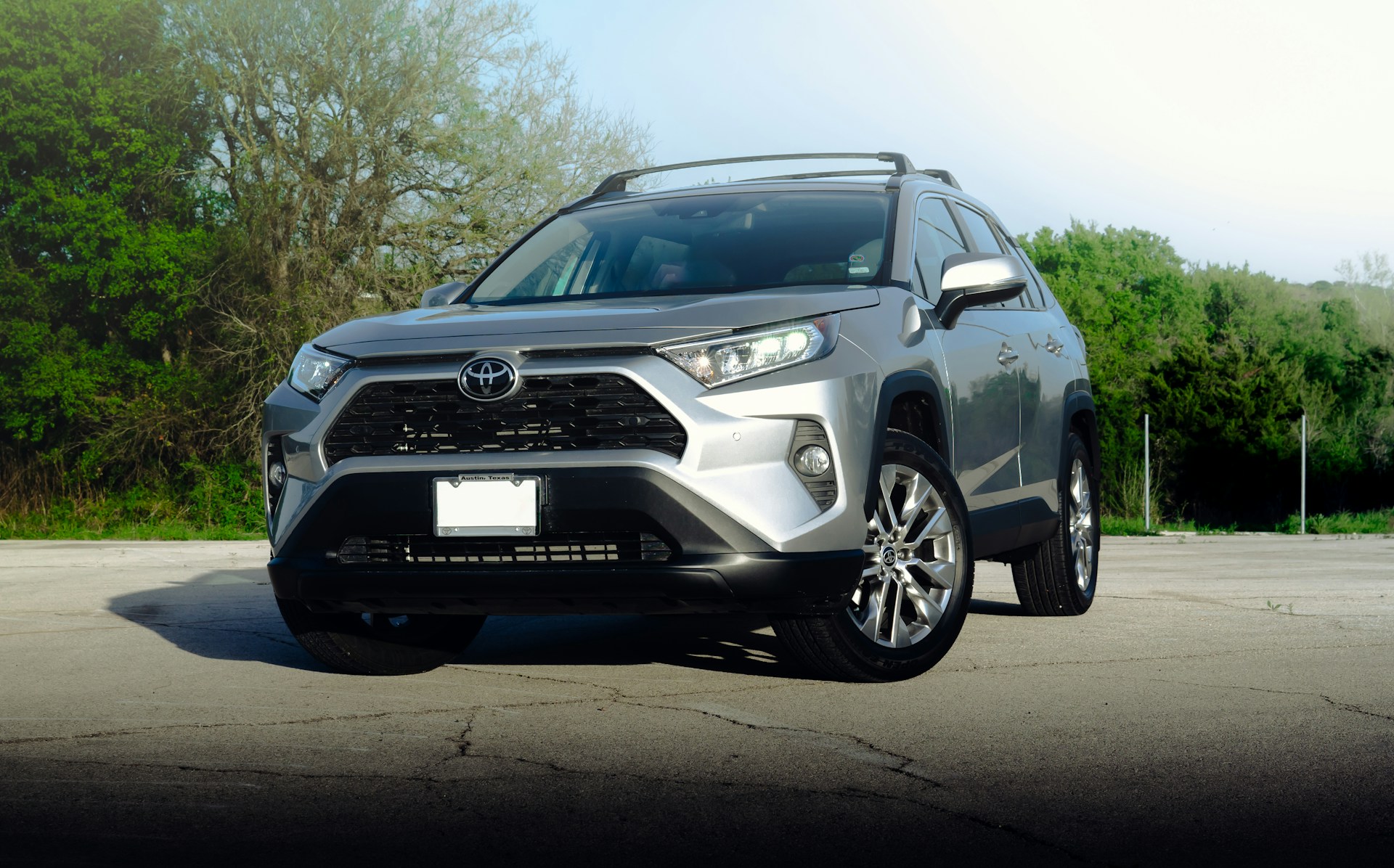
When you buy a new car, you might focus on the shiny features and exciting technology. While those things are important, thinking about resale value is just as crucial. Resale value refers to how much money you can get for your car when you decide to sell it or trade it in. It influences the overall cost of owning the vehicle, making it a key factor in your purchase decision.
A car with a high resale value can save you money in the long run. Paying attention to resale value means you’re not only enjoying your car today but also setting yourself up for better financial returns tomorrow. Whether it’s for a trade-in or to fund your next vehicle, a car that retains its value well provides flexibility and peace of mind.
Understanding Resale Value
Resale value refers to how much money you can get when you sell your car or trade it in after some years of use. It’s a vital aspect of buying a new car because it affects the overall cost of ownership. While driving a car is enjoyable, thinking about resale value makes a big difference to your wallet in the long run. If a car retains a good chunk of its value, it means you have spent less over the years.
The resale value reduces how much your car depreciates. Depreciation is the decline in a car’s value over time. A vehicle with a higher resale value trusts you with fewer losses when you eventually decide to sell it. Several factors can influence a car’s resale value, and it’s crucial to recognize them. For instance, brand reputation plays a significant role; known brands like Toyota often have higher resale values because people trust them for durability and reliability.
Model popularity also has an impact. Cars that are in demand often hold their value better. Features, maintenance history, and market trends affect resale values too. Being aware of these factors helps you make wiser decisions when purchasing a new car.
Benefits of High Resale Value
Owning a car with a high resale value brings several financial benefits. First, the car keeps more of its original value, meaning when you sell it, you get more back, reducing the total cost you’ve invested in it. This financial advantage makes the initial cost of the car less overwhelming when viewed across several years of ownership.
Another benefit is the positive impact on trade-in opportunities. If you choose to trade in your car for a new one, a vehicle that holds its value allows you to receive a better trade-in offer. This makes transitioning to a newer model much smoother and more economical. The trade-in value can significantly reduce the amount you need to finance for your next car purchase.
A car with a high resale value also provides a safety net if you need to sell it unexpectedly. Life can be unpredictable, and having a valuable asset that’s easy to sell can provide financial flexibility in times of need. Whether it’s an unexpected move or a shift in family needs, a car that’s worth more can relieve financial stresses by allowing quick, profitable sales if necessary.
Resale Value and Depreciation
Depreciation is a key concept intertwined with resale value. When a car depreciates, it loses value as time passes. How quickly a vehicle loses value varies, impacting what it can be sold for later. A car that depreciates slowly is likely to have a higher resale value, which is why it’s important to understand this relationship.
Cars depreciate at different rates depending on factors like the make, model, and market demand. While some vehicles lose value rapidly within the first few years, others retain more value for a longer time. Luxury cars or those with abundant features might depreciate faster due to higher initial costs and maintenance expenses.
Choosing a car with good resale value involves looking at models historically known for holding their worth. Brands like Toyota often score well in this area, thanks to their reliability and reputation. Before making a purchase, consider researching performance reviews and industry reports that highlight vehicles with strong resale profiles. Opting for models that have a solid track record in retaining value can ensure you make a financially wise decision, reducing long-term costs.
Making Smart Purchase Decisions
When purchasing a new car, evaluating resale value beforehand can lead to smarter financial decisions. Start your research by comparing how different models hold their value over time. Online resources and automotive guides provide valuable information on expected depreciation and resale values, helping you to pinpoint vehicles with the best potential.
There are several tools and resources that assist with finding cars with strong resale potential. Websites and applications offer insights into market trends, consumer reports, and expert reviews to help you make informed choices. These tools can breakdown costs and provide comparisons that make evaluating options easier.
Maintenance plays a critical role in preserving a car’s resale value. Regular servicing according to manufacturer guidelines keeps the vehicle in top condition, reducing wear and tear that can diminish value. By maintaining comprehensive service records, you also build trust with prospective buyers, who will appreciate the evidence of consistent care. Doing so not only safeguards your investment but also maximizes the return when you’re ready to move on to another vehicle.
Conclusion
Resale value should be a fundamental consideration in your car buying process. It impacts costs over time, influences trade-in values, and provides financial security. By choosing models known for their resilience against depreciation and maintaining them well, you can keep expenses manageable and get the most out of your purchase.
If you’re interested in exploring new Toyota cars in Long Island with strong resale potential, visit Atlantic Toyota. Our team can help you find the perfect vehicle that fits your needs while holding its value, making sure your investment remains sound for years to come.
Connect with us

Recent Blog Entries
- Why Toyota Fuel System Service in Long Island Gets More Important in Spring
- What Toyota Wiper Blades in Long Island Do for Rainy Spring Days
- Spring Ready Toyota Air Filter Replacement in Long Island Explained
- Choosing Toyota Floor Mats in Long Island for Wet and Muddy Seasons
- Why Toyota Oil Filters in Long Island Matter for Early Spring Engines