


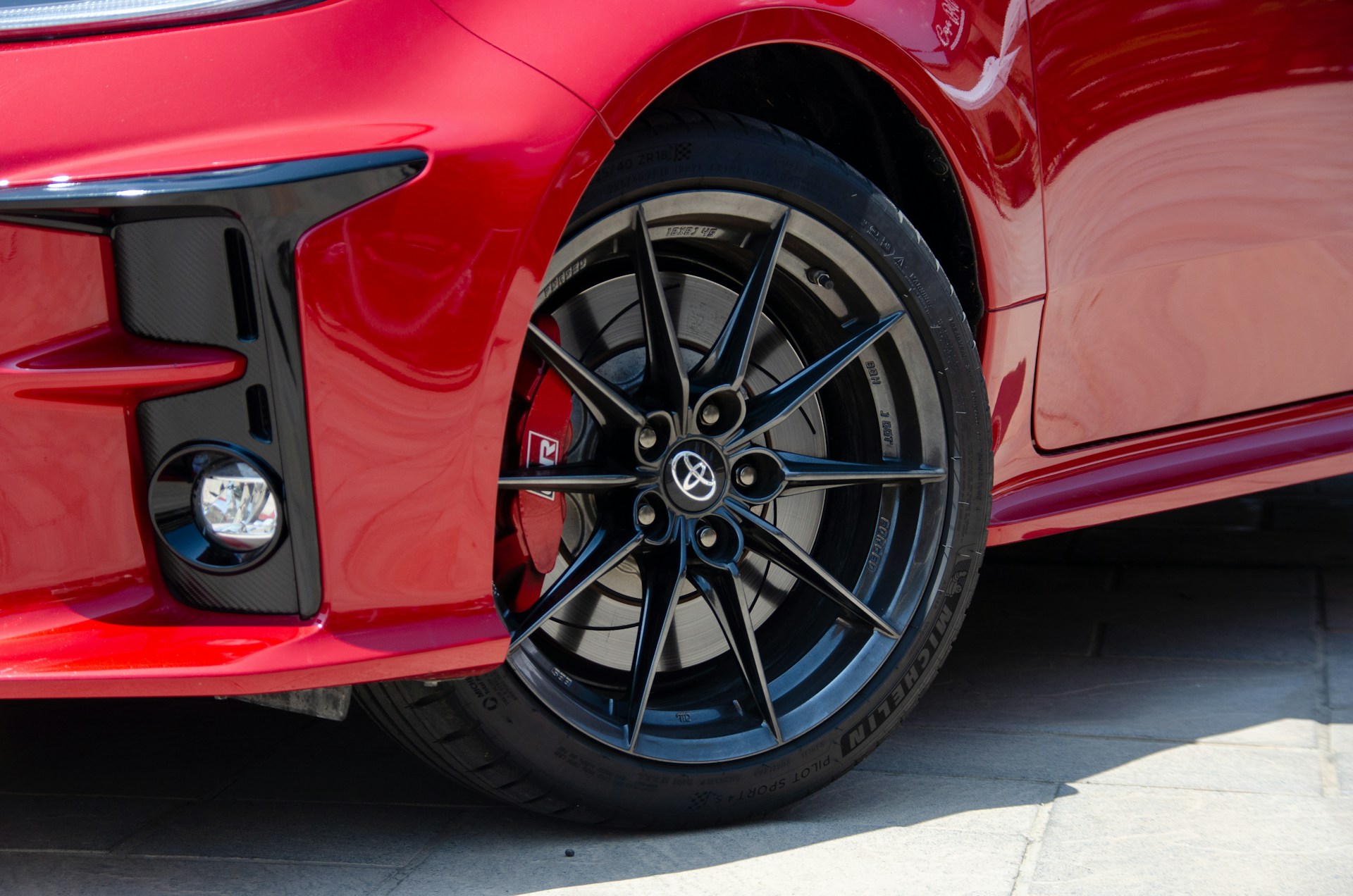
Brake pads tend to fade quietly, especially in places like Long Island where traffic can be a daily challenge. We stop often, roll slowly through lights, and cover short distances that don’t always give our brakes time to fully reset. Because of that steady wear, it’s easy for warning signs to sneak past unnoticed. But catching them early can make a big difference, both for safety and how smooth your drive feels day to day.
That’s why keeping a close eye on the condition of your Toyota brake pads in Long Island matters more than most drivers realize. Some of the signs aren’t obvious at first. A small change in sound or pedal feel can be the first sign that your brake system is under strain. With spring driving season coming up, it’s a smart time to check in on what your car might be telling you.
Sudden Noises You Get Used To
One of the first things that tends to shift is the sound your car makes when you stop. But since it happens slowly, you might just adjust to it instead of questioning it.
- A high-pitched squeal, especially when first braking, can be a sign your brake pads are getting thin.
- Grinding or scraping might mean the pads have worn down completely, with metal-on-metal contact starting.
- If braking starts to sound uneven or like something’s loose, it could point to uneven wear or missing hardware.
In Long Island, springtime comes with puddles, road debris, and leftover salt that’s still stuck near gutters and curbs. Mix that with brake dust and grime, and your system can gum up faster than usual. Those strange noises might come and go at first, but they’re rarely harmless.
Subtle Changes in How the Car Drives
Not all brake problems scream at you. Many start with how the car feels under normal driving. These are changes you might only notice in slow traffic or when driving familiar routes.
- If the car pulls to one side when braking, that can suggest uneven brake wear or sticking calipers.
- When the brake pedal feels softer or spongier than usual, air or fluid issues might be involved, as well as worn pads.
- If braking feels delayed or seems weaker than normal, that could be a direct effect of thinning pads.
Since most rides around West Islip include red lights, school zones, and intersections, we become used to how our cars behave in those spots. When those tiny changes show up, our brains often tune them out. But they can point to a brake system starting to wear unevenly or lose pressure where it matters.
Longer Stopping Distances That Sneak Up on You
Brakes don’t fail all at once. What happens more often is a slow stretching of your car’s stopping response. It might take an extra few feet to stop, but it starts so gradually that it’s easy not to notice.
- Longer braking distance is one of the clearest signs your pads are wearing down.
- On damp spring mornings or after light rain, worn pads won’t grip as well. This extends stopping time even more.
- Dust, pollen, and slick roads that build up during late February and early March in Long Island can reduce how quickly your car reacts.
If it feels like you’re pressing harder on the pedal than you did last fall just to stop at the same spot, it’s probably not your imagination. Changing road surfaces hide this kind of wear, and brake pads that used to stop clean now take just a bit longer each time, which adds up quickly.
You Haven’t Checked Them Since Before Winter
Plenty of us fall behind on car care during winter. It’s cold, dark early, and hard to get under the vehicle or make it to the shop when there’s ice on the ground. But if your brake pads haven’t been looked at since fall, now’s a smart time to do it.
- Road salt used during Long Island winters is tough on brake components, speeding up corrosion and pad degradation.
- Slush and sand around the tires get kicked up around your braking system, which can wear parts faster.
- Colder weather sometimes hides slowing performance, because speeds are slower and tires grip less.
By the time spring approaches, most drivers have spent three or four months avoiding potholes and sliding through intersections. That kind of driving puts stress on the front brakes especially, and pads that were fine in November might not be anymore. If it’s been a while, checking now can save you from bigger repair needs this spring.
Uneven Pad Wear and Visual Clues
Sometimes you don’t need to feel anything. If you get close enough to your wheels, there are often signs right there in plain view that your pads need attention.
- One pad might be thinner than the other on the same axle, which causes uneven braking.
- Deep grooves in the rotor or uneven dust buildup on the wheels show wear that’s not balancing properly.
- Brake dust that turns darker or greasy-looking can signal contamination or faster friction wear.
These small cues usually appear after the other signals have started to show up inside the car. Uneven wear creates vibration during stops, makes the car pull or stutter when slowing down, and grinds away at your rotors faster than normal. Glancing at your wheels while parked in the driveway or at the gas station can often tell you more than you’d expect.
Stay Safe as Spring Driving Picks Up
It’s easy to get comfortable with small changes since they build up slowly. Maybe your car used to feel more responsive, or the brakes used to grab a bit quicker. With warmer weather approaching, now is a smart time to listen a little closer.
Many drivers in West Islip wait until something big signals a problem, like a pulsing pedal or a sudden stop that takes too long. But the small signs often come first and point to brake pads wearing down in a way that’s easy to miss. Checking in on your brake system this time of year can make a difference in how safe and relaxed your spring drives feel.
Well-worn pads don’t always look alarming, but their effects show up in moments when you need control the most. Paying attention to how your car sounds, feels, and responds during everyday trips gives you a better shot at staying ahead of those longer repair issues, and keeping your stops short and predictable.
Worn pads and uneven wear can accumulate quickly on Long Island roads, especially after a winter of salted streets, stop-and-go driving, and cold mornings. Our certified technicians at Atlantic Toyota take the time to inspect every detail so you can drive with confidence and prevent more serious issues down the road. To stay ahead of sudden grinding or longer stopping distances, book a service visit and let us take a look at your Toyota brake pads in Long Island. Schedule your brake check today.
Connect with us

Recent Blog Entries
- Toyota Electric Vehicles in Long Island Springtime Driving Considerations
- Toyota Air Filters in Long Island How Early Spring Affects Your Car
- How Toyota Military Discount in Long Island Applies to New Inventory
- Frequently Missed Signs Your Toyota Brake Pads in Long Island Need Attention
- When to Watch for Toyota Alternators in Long Island Issues