


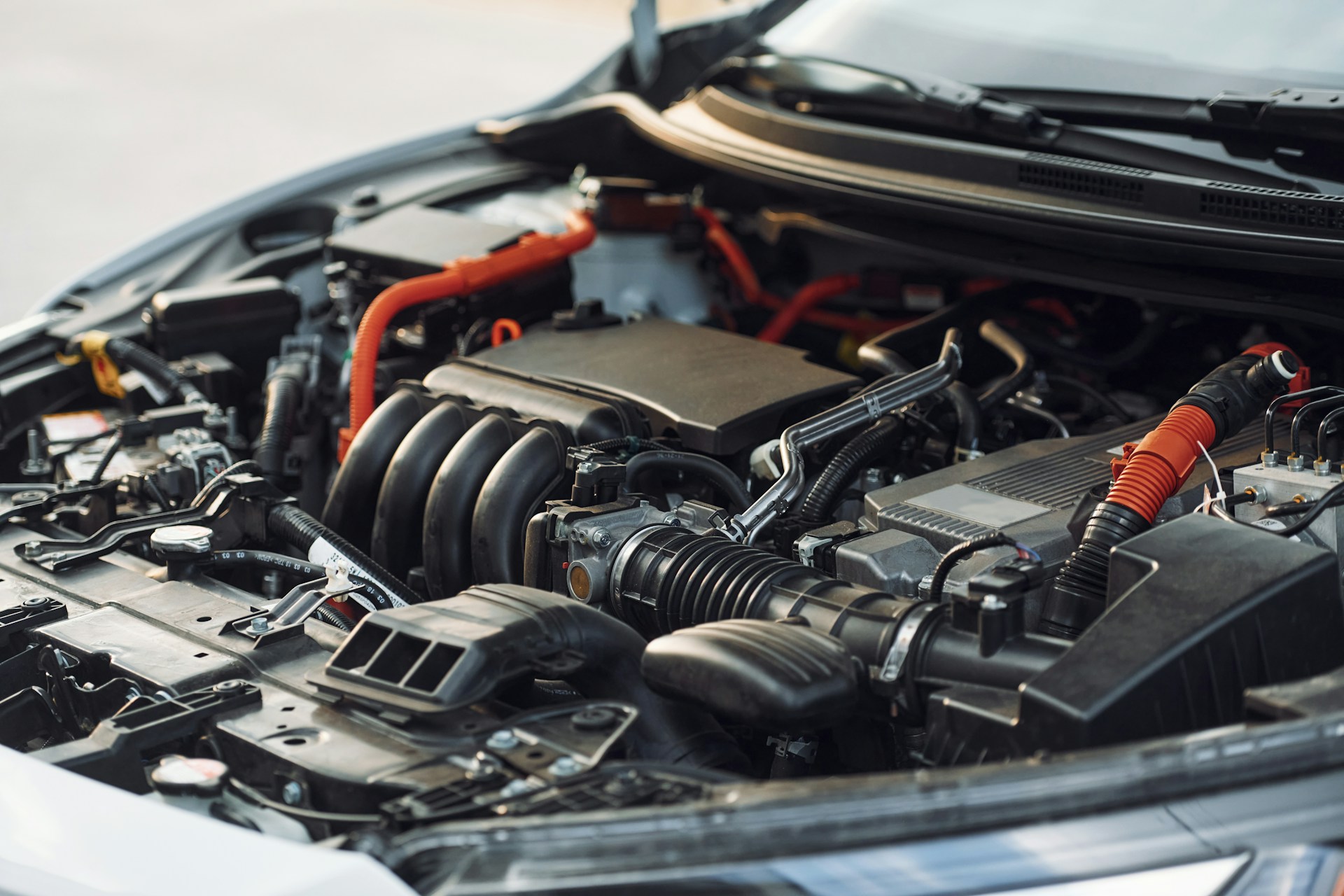
Keeping spare parts in good condition is crucial for anyone who relies on their vehicle. Spare parts are essential for regular maintenance, ensuring your vehicle operates smoothly. Proper storage of these parts can extend their lifespan, saving you time and money in the future.
Whether it’s a simple washer or a complex engine component, each spare part benefits from careful handling and storage. Organizing and keeping them safely stored not only makes parts easier to find but also helps maintain their condition until you need them. Learning how to effectively store spare parts is a smart move for anyone who values their vehicle’s performance and reliability.
Understanding Spare Parts Storage
Spare parts are components kept in reserve to replace faulty or worn-out parts in a vehicle. They are crucial for maintaining the vehicle’s performance and ensuring longevity. Having spare parts on hand means you’re prepared for any repairs or replacements needed, avoiding prolonged downtime of your vehicle. But simply having parts isn’t enough; storing them properly is equally important.
Improper storage can lead to various issues. Parts may get damaged from exposure to moisture, excessive heat, or physical impact. Incorrect storage could also result in losing parts, leading to unnecessary expenses and inconvenience. Identifying problems caused by poor storage practices is key to ensuring that spare parts are ready when you need them.
Organizing and storing parts properly offer several benefits. Well-organized storage saves time, as it’s easier to find the parts you need quickly. Protected parts last longer and maintain their quality, meaning you won’t have to replace them as frequently. Proper storage also streamlines your vehicle maintenance process and helps prevent costly errors or delays when repairs are necessary.
Preparing Spare Parts for Storage
To prepare spare parts for storage, it’s vital to ensure they are clean and free from any potential contaminants. Dirt or grease left on parts can lead to corrosion or decay over time. Start by cleaning each part thoroughly with the appropriate cleaning solution. Once cleaned, make sure parts are completely dry before storing them to prevent any moisture-related damage.
Labeling parts is another essential step in preparing them for storage. Proper labels help in easy identification, saving time when locating specific components. Use durable tags or labels with clear descriptions, including part numbers or names, to eliminate any confusion. This organization prevents mistakes during repairs or replacements and contributes to efficient upkeep.
Using protective packaging materials keeps parts safe from environmental factors. Bubble wrap, padded envelopes, or sturdy boxes provide cushioning and protection against impacts. Additionally, wrapping parts in corrosion-preventive paper or using anti-static bags for electronic components is wise. These simple measures ensure that your spare parts remain in top condition until they are needed.
Choosing the Right Storage Environment
The environment where you store spare parts significantly impacts their longevity and effectiveness. Temperature and humidity are crucial factors to consider. Excessive heat can lead to the breakdown of some materials, while high humidity can cause rust and corrosion, especially on metal parts. Maintaining a stable environment helps ensure that spare parts remain in good condition for future use.
When selecting a storage space, opt for a dry, cool area to preserve the quality of your parts. A basement or garage might seem convenient, but if they’re prone to dampness, they may not be ideal without proper ventilation or dehumidifiers. Instead, consider using climate-controlled storage spaces or areas with natural ventilation to keep the ambient conditions stable.
Organization is vital, and using shelves and storage bins can make a big difference. Shelves help maximize vertical space, keeping parts organized and easily accessible. Label bins clearly to sort parts by type or size, which helps avoid chaos and saves time when you need to find something specific. This setup not only protects parts from damage but also keeps your space tidy and functional.
Maintenance of Stored Spare Parts
Regular maintenance checks of stored spare parts are essential to ensure they remain in usable condition. Periodically inspect each part for signs of wear, corrosion, or damage. By catching any issues early, you can address them promptly, preventing further deterioration. Regular checks help maintain the reliability and readiness of parts when they’re needed.
Rotating inventory is another crucial aspect of spare parts maintenance. Use the first-in, first-out (FIFO) method; it helps prevent long-term degradation by ensuring older parts are utilized before they lose their effectiveness. This method also helps keep your inventory fresh and reduces waste, saving both time and money in the long run.
Keeping accurate records of stored parts is equally important. Track the quantities, condition, and location of each part. Regularly update these records to reflect any changes, such as when parts are utilized or replaced. These records make it easier to manage inventory and ensure you never run out of a critical component. Having a reliable system in place simplifies the process of restocking and avoids unnecessary confusion.
Conclusion
Proper storage and maintenance of spare parts are crucial steps in ensuring vehicle reliability and performance. Choosing the right environment, keeping parts organized, and conducting regular checks preserve your investment.
At Atlantic Toyota, we understand the importance of quality care and maintenance. If you’re looking for expert advice or need genuine Toyota parts in Long Island, visit us to discover how we can help maintain your vehicle with confidence!
Connect with us

Recent Blog Entries
- Is Now the Time for Toyota Electric Vehicles in Long Island?
- Understanding Toyota Radiators in Long Island for Winter Driving
- When to Book Toyota Battery Replacement in Long Island in Cold Weather
- Choosing Certified Pre-Owned Toyota in Long Island for Peace of Mind
- Cold Weather Warnings: Why Toyota Starters in Long Island Sometimes Fail