


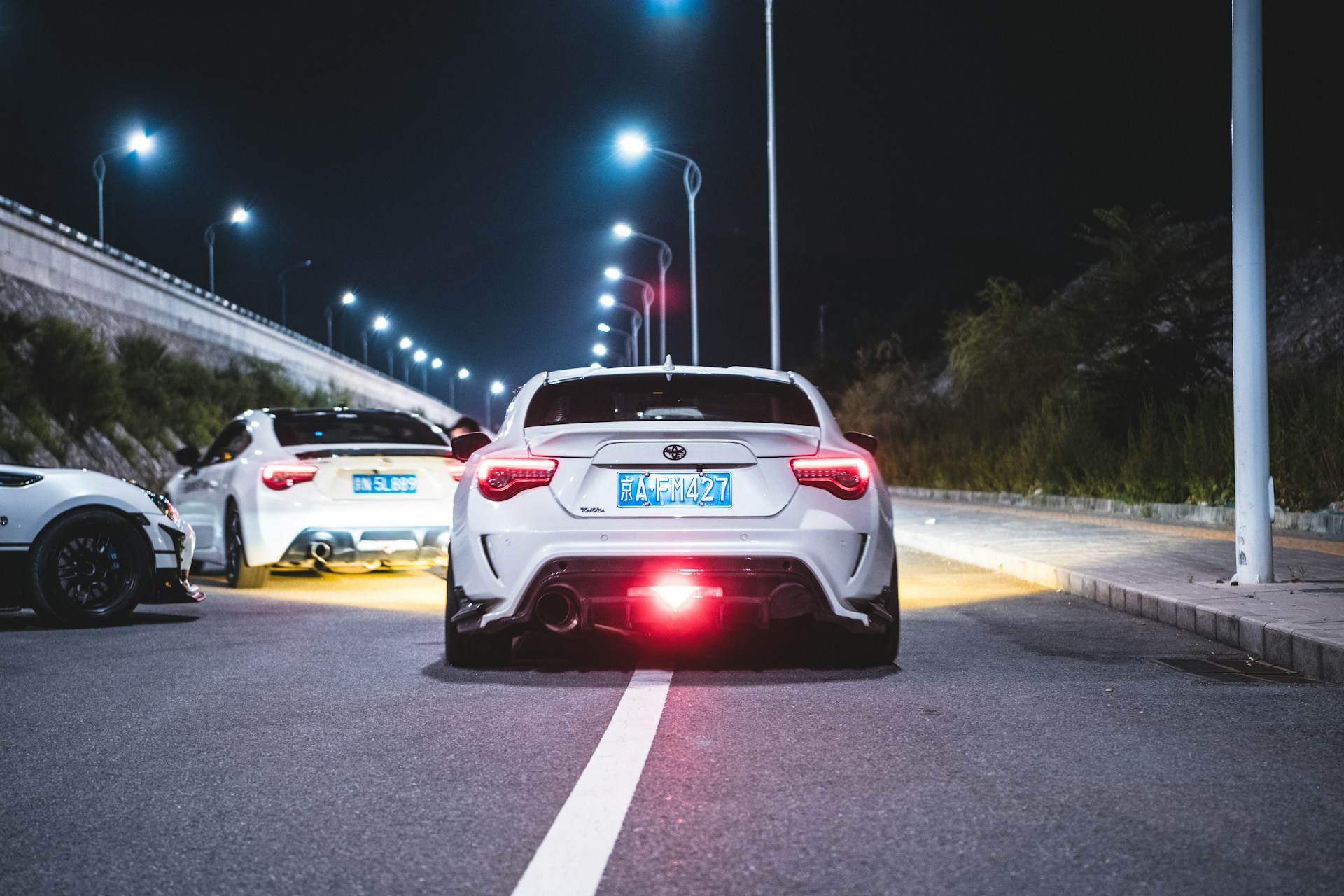
Nobody wants extra stress during winter driving, especially on Long Island where the weather can flip between clear skies and slushy roads overnight. While many people think about snow tires or defrost systems, taillights are one of those less-discussed features that matter more than most realize. Whether you’re backing out of your driveway before sunrise or crawling through foggy afternoon traffic, your taillights are doing more than glowing red. They’re keeping you visible and safe.
Winter road conditions make it harder for other drivers to see brake lights and turn signals. Salt spray, snow, and freezing rain don’t just coat your windows. They can blur or dim your taillights too. That’s a bigger deal than it sounds. A dirty or burnt-out taillight in poor weather doesn’t just reduce how clearly you’re seen. It can also land you with a ticket. Giving your taillights some attention before and during the colder months is a smart move for any Toyota driver in West Islip looking to stay safe and visible.
Why Winter Visibility Starts With Your Taillights
Driving through a snowstorm or morning fog can feel like guessing what’s ahead instead of seeing it. And you’re not the only one struggling with vision. Other drivers are too. That’s where taillights really come into play. Your brake lights, reverse lights, and rear turn signals help the drivers behind you know when to slow down or steer clear. If they’re dirty, dim, or broken, those safety signals become way less effective.
Taillights can get covered quickly during the winter. Snow melting off the roof or bumper often lands right on the lights. Road grime builds up, especially on slushy highways or near salted intersections. Over time, that dirty layer can make functioning taillights look almost invisible in low-light conditions. Keep in mind, it’s not just about being courteous. West Islip drivers can get pulled over for taillights that aren’t working correctly.
Clear, working taillights help with:
1. Letting drivers behind you know when you’re braking
2. Showing that you’re turning or changing lanes
3. Keeping your vehicle visible during bad weather or nighttime
4. Meeting state laws for vehicle safety standards
Letting taillight issues slide during colder months can create bigger problems than just bad visibility. You’re likely to face a fine if your brake lights aren’t doing their job. You also stand a higher risk of rear-end collisions, especially when holiday traffic or icy streets come into play. So before snowstorms really kick in, getting ahead of taillight maintenance puts you on the safe side of things.
Step-By-Step Maintenance Tips For Toyota Taillights
Keeping your taillights clean and functional doesn’t need to be time-consuming, but it does need to be consistent. A few small habits can go a long way in helping your Toyota stay visible and road-legal, especially when Long Island’s winter grime builds up fast.
Here are a few simple maintenance steps to keep your taillights ready for cold weather:
1. Wipe them off regularly
Use a soft microfiber cloth or clean paper towel to gently clean your taillights after heavy snow, freezing rain, or long drives on slushy roads. Don’t wait for thick grime to build up. That layer can reduce brightness quicker than you think.
2. Check for burnt-out bulbs
Tap the brakes while parked and ask someone to confirm which lights are working. You can sometimes spot dim or burnt-out rear bulbs just by turning on your lights in the dark and standing behind the car. Do this every couple of weeks during the colder months.
3. Inspect the lens covers
Look for cracks, cloudiness, or any damage to the lens cover. Moisture inside the lens is a sign that water’s getting in and could cause electrical issues or faster burnout. A clean, intact cover helps preserve brightness and extends the life of the bulb.
4. Watch for frost build-up
If the weather drops below freezing overnight, check your taillights before morning drives. A quick pre-drive inspection helps make sure frost isn’t covering them up completely. Visibility starts here.
5. Use washer fluid that’s safe for plastic
When cleaning the back window or the taillight area, avoid harsh chemicals that could dull or haze the cover. A mild, plastic-safe cleaner works best and protects your lens from long-term damage.
Sticking to a regular routine like this keeps your taillights in good shape and helps avoid sudden surprises on icy mornings. It’s one of those things that takes barely a minute but can make all the difference once you hit the road. Taillight issues tend to show up more during winter because that’s when your car’s systems are under more stress. So it’s better to stay ahead of them rather than wait until a warning light or a traffic officer points them out.
Why Upgrading to LED Taillights Makes Sense in Winter
Standard bulbs can struggle to keep up with harsh winter driving. Older or dim halogen bulbs might not provide enough visibility when heavy snow or fog hits Long Island roads. That’s where LED taillights come in. These lights shine brighter and light up faster, giving other drivers more time to react. That split-second improvement can lower the chance of fender benders in poor weather.
LED bulbs also tend to last longer than traditional bulbs. Since winter conditions can be rough on car components, using lights that hold up better over time makes a noticeable difference. Better resistance to cold temperatures and moisture helps limit failures when you need lighting the most.
If you’re considering an upgrade, it’s worth checking compatibility. Most Toyota models from the last ten years are either LED-ready or can be fitted with LED bulbs with minimal adjustments. Just make sure the replacements fit securely and match your car’s electrical system. A professional can confirm that for you and help avoid wiring issues.
Other things to look for when choosing LED upgrades:
1. Bulbs with built-in heat dissipation to handle temperature changes
2. DOT-compliant lighting to stick with vehicle safety rules in New York
3. A good track record from other Toyota owners on long-term reliability
Upgrading your taillights might seem like a small change, but it turns into a major safety win during dark commutes and stormy conditions. It’s a quiet but smart way to stay better prepared for what’s ahead and behind.
When to Have Your Taillights Professionally Inspected
Even if you check your taillights pretty regularly, it’s possible to overlook early warning signs. Loose wiring, condensation behind the lens, or corrosion at the housing can be harder to spot without opening things up. That’s why getting them inspected by a professional every so often adds extra peace of mind, especially at the start of winter.
Sometimes it’s not just the bulbs but the taillight assembly itself that’s struggling. If one side keeps burning out faster than the other, or if brake lights flicker even after replacing bulbs, those can be signs of deeper issues. Road salt and moisture can cause damage most drivers can’t see on their own.
Professional service helps in these ways:
1. Technicians can test voltage levels and catch weak connections
2. Assemblies can be cleaned out and sealed tight against leaks
3. They’ll recognize unusual wear patterns that hint at wiring problems
Getting your car checked before or during winter can help catch problem areas early. That way, you’re not trying to troubleshoot taillight trouble with snow falling and heavy traffic pressing in.
Make Winter Driving Safer on Long Island
Winter driving in Long Island brings a new set of challenges every year. There’s early nightfall, icy streets, and more vehicles on the road during the holiday season. Your Toyota’s taillights might seem like a small piece of the puzzle, but they play a big part in helping you get where you’re going safely.
Being seen is just as important as seeing, especially when snow and road spray blur visibility fast. Keeping your lights clean, upgrading to brighter bulbs when it makes sense, and having a technician look over your rear lighting system goes a long way.
So while you’re checking tire pressure, topping off washer fluid, or scraping the windshield, don’t forget your taillights. A quick extra step today can keep you and everyone around you safer tomorrow. Winter may be unpredictable, but with the right prep, your Toyota doesn’t have to be.
As winter driving ramps up, making sure your taillights are working properly is an easy but important step to stay safe on the road. From checking for bulb issues to upgrading your rear lights, being proactive helps prevent problems before they start. To learn more about how to maintain or upgrade your Toyota taillights in Long Island, take a look at the current service specials at Atlantic Toyota. We’ll help make sure your vehicle is ready for whatever the season brings.
Connect with us

Recent Blog Entries
- Why Toyota Fuel System Service in Long Island Gets More Important in Spring
- What Toyota Wiper Blades in Long Island Do for Rainy Spring Days
- Spring Ready Toyota Air Filter Replacement in Long Island Explained
- Choosing Toyota Floor Mats in Long Island for Wet and Muddy Seasons
- Why Toyota Oil Filters in Long Island Matter for Early Spring Engines