


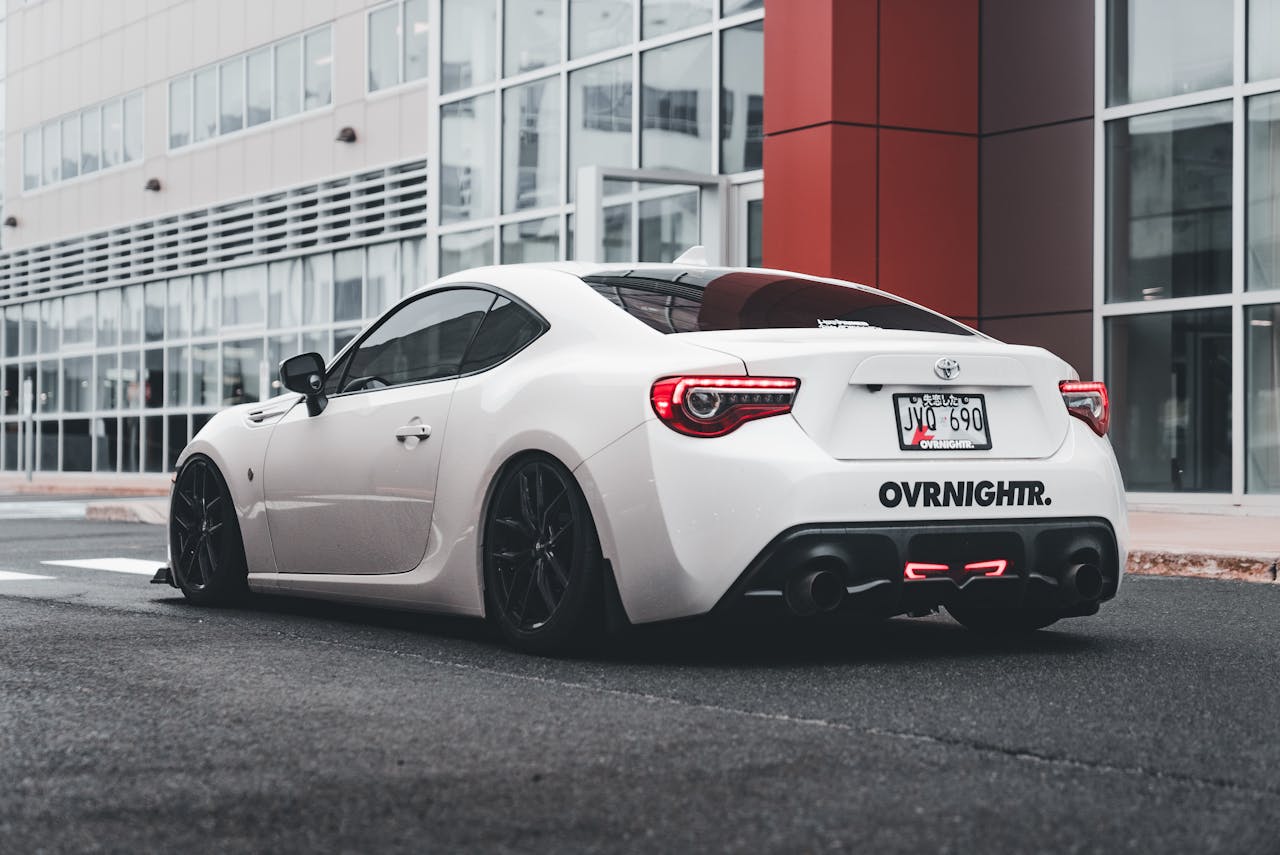
Having strong, reliable taillights isn’t just a simple requirement for your Toyota; it’s a critical aspect of vehicle safety, particularly in areas like Long Island where weather conditions can often reduce visibility. Taillights serve as an essential line of communication between drivers, ensuring that others on the road can see where you are and can anticipate your actions. When these vital components start to dim prematurely, it poses a risk not only for you but for others on the road as well. It’s important for Toyota owners to be aware of what might cause this dimming and how to address it promptly.
For many Toyota drivers in Long Island, keeping taillights in top condition can sometimes be a challenge. The terrain, weather conditions, and even local driving habits contribute to the wear and tear of vehicle components. If you have noticed your taillights aren’t shining as brightly as they should, understanding the reasons behind this can help prevent potential issues and keep your car safely illuminated on the road.
Common Causes of Dimming Taillights
The issues leading to dimming taillights often stem from a few key areas that every Toyota owner should keep in mind. First, electrical problems are a common culprit. These can range from a simple loose connection to a more severe wiring issue that disrupts the electrical flow. It’s crucial to check that the electrical connections are secure and haven’t been damaged over time.
Environmental factors can’t be overlooked when it comes to taillight performance. Moisture is a frequent offender, as it can seep into the taillight assembly, causing corrosion and reducing the light’s intensity. Additionally, dirt and grime accumulate over time and can cloud the lens, blocking the light. Regular cleaning and ensuring that seals are intact can go a long way in prevention.
Old or faulty bulbs also play a significant role in this puzzle. Over time, bulbs can burn out or become less effective, showing clear signs of dimming. Here’s a quick checklist to determine if your taillights might be dimming:
- Check the electrical connections for secure attachment.
- Look for any signs of moisture or corrosion within the taillight assembly.
- Inspect the taillight lens for dirt or grime.
- Consider the age of the bulbs and whether they need replacing.
By addressing these issues, you can keep your taillights functioning effectively, maintaining both visibility and safety on the road.
The Impact of Dimming Taillights on Safety
Driving with dimming taillights is more than just an inconvenience—it’s potentially dangerous. When taillights aren’t shining as they should, it makes your vehicle less visible, especially in the foggy or rainy conditions common in Long Island. This diminished visibility can increase the risk of accidents, as other drivers may not see your vehicle until it’s too late. Even during daylight hours, dim taillights can cause confusion for drivers behind you since they might not notice your signals in time to react appropriately.
But that’s not all. Dim taillights can also lead to unwanted encounters with law enforcement. Traffic regulations often mandate that vehicle lights meet specific visibility standards, and non-compliance could result in fines or warnings. To avoid these issues, it’s beneficial to address any taillight dimming the moment you notice it.
Diagnostic Steps to Identify the Problem
Spotting the cause of dimming taillights starts with some basic diagnostic steps you can handle yourself. Begin by inspecting the taillight assembly:
- Look for obvious signs of wear, such as cracks in the housing that might let moisture in.
- Ensure all electrical connections are tight and free from corrosion. A cleaning solution and a good wipe can often resolve minor connectivity issues.
- Replace any bulbs that appear darkened or less bright than usual.
To dig a bit deeper, you might use a multimeter to check voltage levels. If numbers don’t match what’s expected, a larger electrical issue could be the root cause. For more complex problems, getting help from a professional is wise. They’ll have the tools and expertise to fix things properly, ensuring your taillights get back to full brightness.
Maintaining Your Toyota Taillights in Long Island
Preventative maintenance is key to keeping your Toyota’s taillights operating effectively. Regular checks and a bit of upkeep can help ward off many common issues. Here are some practical tips:
- Clean the lens regularly to prevent dirt buildup.
- Check seals around the taillight assembly to ensure they’re watertight.
- Replace bulbs every few years, even if they aren’t fully burnt out, to maintain brightness.
- Inspect and clean electrical connections at least annually to prevent corrosion.
These steps help maintain not just your taillights but also your peace of mind when driving. Consistent care ensures your lights are ready to perform in any situation, whether you’re stuck in a sudden Long Island downpour or cruising through the twilight hours.
Keep Your Toyota’s Lights Bright and Safe
Your Toyota’s taillights are crucial for safety and communication on the road. By keeping them in good condition, you’re protecting yourself, your passengers, and others around you. Regular maintenance and quick responses to any dimming issues can make a big difference in your driving experience.
Ultimately, proactive checks and prompt repairs help minimize risks from dim taillights. If you’re uncertain or lacking the right tools, reach out to professionals who can ensure your vehicle’s taillights stay bright and reliable. Trust in experts who understand the unique challenges Long Island roads present and can offer targeted solutions to keep you safe and visible at all times.
If you’re noticing any issues with your Toyota taillights in Long Island, it’s important to address them sooner rather than later. Schedule a service appointment with Atlantic Toyota to ensure your vehicle’s lights are in optimal condition and stay safe on the road. Let our experts take care of your vehicle’s needs with prompt, professional service.
Connect with us

Recent Blog Entries
- Is Now the Time for Toyota Electric Vehicles in Long Island?
- Understanding Toyota Radiators in Long Island for Winter Driving
- When to Book Toyota Battery Replacement in Long Island in Cold Weather
- Choosing Certified Pre-Owned Toyota in Long Island for Peace of Mind
- Cold Weather Warnings: Why Toyota Starters in Long Island Sometimes Fail