


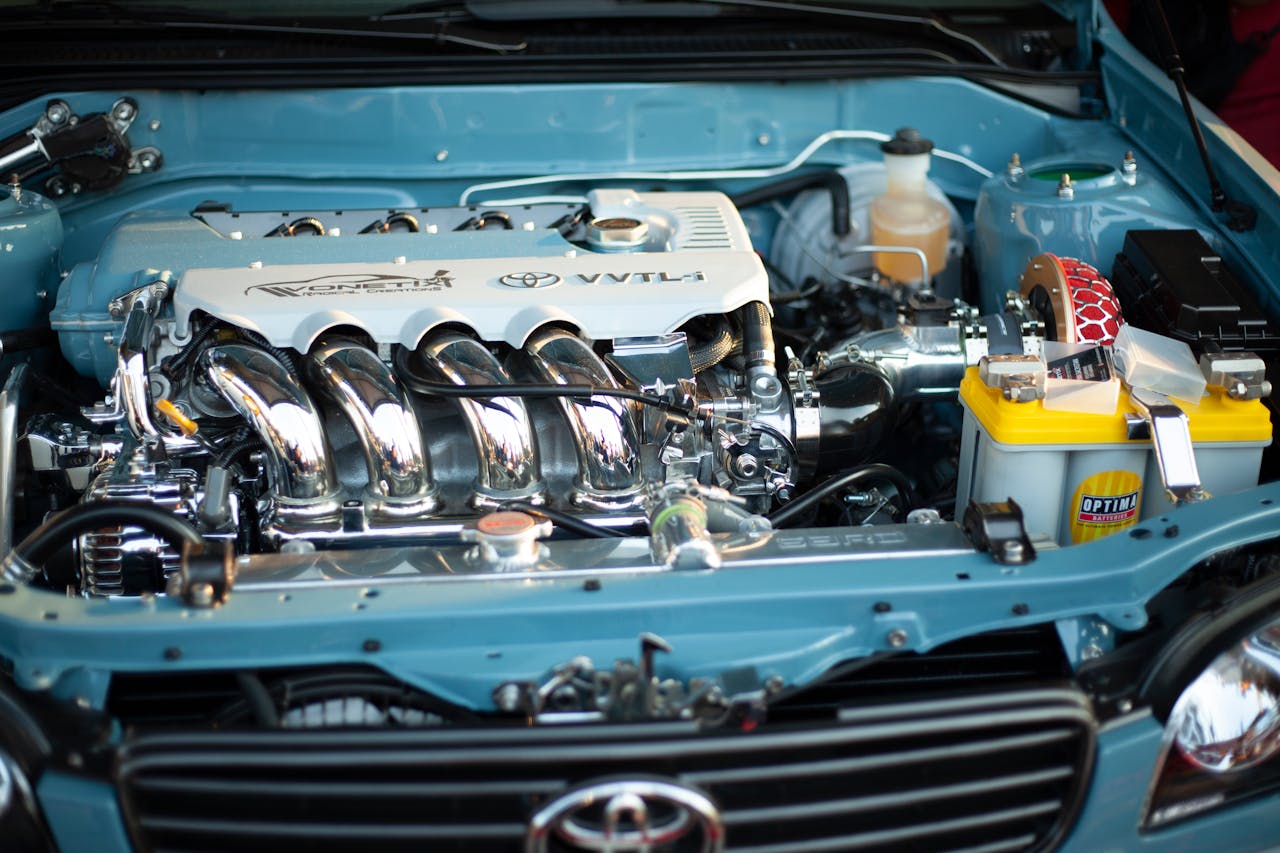
Cold weather has a way of exposing car problems fast, and in Long Island, winter can turn a peaceful morning into a frustrating one if your car won’t start. For many drivers, battery trouble catches them off guard because it often strikes without warning. You might not think about your battery much until you’re late for work and the engine won’t turn over.
That’s why timing matters when it comes to planning Toyota battery replacement in Long Island. A little preparation goes a long way in keeping your winter driving smooth, especially when temperatures dip and your vehicle’s electrical systems are working harder than usual.
How Winter Affects Your Toyota’s Battery
Freezing weather doesn’t just make the air bite, it slows down your battery. As temperatures drop, chemical reactions inside the battery lose strength. That means it takes more effort to get your engine started, especially if the car has been sitting for a while.
When you’re only driving short distances, the battery doesn’t get much time to recharge. Combine that with cold starts in the dark, and the strain builds up. Add the extra load of heaters, rear defrosters, wipers, and seat warmers, and it’s easy to see how cold months become the hardest time for your battery to keep up.
A battery in peak condition will generally retain its charge and give you enough stamina for frequent starts and stops, even on the coldest mornings. But when your battery is nearing the end of its life, winter can reveal hidden weaknesses much faster. That’s why it’s not uncommon to see more jump-starts and battery replacements during the coldest part of the season. Think about how many times you use your heated seats, defroster, or navigation system when it’s cold outside, that continuous use takes a toll on your battery.
Signs Your Battery Might Be Fading
There are a few warning signs to look for before your battery quits completely. Catching the early signs gives you a head start before it leaves you stranded in the cold.
- You hear a slow crank when starting the car
- The headlights or dashboard lights seem dimmer than usual
- A warning light or battery icon shows up on the dash
- It’s harder to start the car after it’s been sitting overnight
- The battery is more than three years old
Sometimes, you might notice your power windows moving slower, or your radio resetting more often. Unusual electrical behavior can sometimes point to a weak battery as well. Another thing you can check is corrosion or buildup on the terminals, which can stop your battery from working at its best; this is especially common in cold, damp weather.
Battery trouble often sneaks in after a round of snow or a cold snap. One day it’s working fine, and the next, it won’t hold a charge long enough to turn the key. Winter adds unpredictability to something that’s already easy to overlook until it becomes a real issue.
Paying close attention to how your car sounds and responds, especially first thing in the morning, gives you clues when it’s time to check the battery. Even if things seem normal, a battery over three years old is living on borrowed time in a cold climate. It’s better to address these small hints now than risk waiting in a freezing parking lot for a tow truck.
When Is the Right Time to Schedule Battery Service
Waiting until your battery fails usually means a call for help and a change of plans. That’s why timing your replacement before the coldest weeks hit can make a big difference. November might be too early for some, but once the holidays are over and night temps start dipping lower, it’s time to pay attention.
January is a smart month to schedule a check or plan ahead for a Toyota battery replacement in Long Island. By that point, cold weather has likely already started to show its effect, and there’s still a lot of winter left. Getting ahead of it means you’re less likely to deal with dead battery issues when your schedule is already tight.
At Atlantic Toyota, our factory-trained technicians inspect, test, and replace batteries using genuine Toyota parts. Our service center can quickly diagnose battery-related issues and provide same-day replacement to help you avoid unexpected breakdowns, especially during peak winter months.
In many cases, even a battery that turns over the engine today might let you down tomorrow when conditions get even colder. The best time for battery service is before you get stranded, not after. Just as you wouldn’t want to put off buying new snow tires until the roads are already icy, it makes sense to be proactive about your car’s power source as well.
Winter Habits That Can Drain a Weak Battery Faster
A battery that’s already aging can wear down for lots of reasons, but certain winter habits make things worse. If your battery is already on the edge, these common habits could shorten its life even faster:
1. Driving short distances, especially without giving the battery a chance to recharge
2. Using headlights more often in darker months, which puts constant demand on the system
3. Leaving cars parked outside overnight in freezing temps
4. Running accessories like heated seats or phone chargers on quick drives
5. Letting a car sit for a long weekend without starting
Running the radio, wipers, and lights while you’re warming up your car can take more out of your battery than you realize. While it might feel comforting to run everything at once in the cold, if your engine isn’t running long enough, the alternator won’t have a chance to recharge the battery. This means that after a few days of short trips, even a battery that usually works could leave you with that dreaded clicking sound the next time you turn your key.
A stronger battery handles these challenges better. A weaker one shows signs faster, and colder days only make those issues more noticeable. Taking these patterns into account helps you figure out if your battery needs more attention before something stops working.
Parking in a garage, even if it’s not heated, helps your battery retain more strength overnight. If you have to park outside, try to limit how many accessories are running when you start the car. Regularly checking on your battery’s performance can reveal early warning signs before they become a real problem, especially during a harsh winter.
Avoid Getting Stuck on a Cold Morning
Cold mornings hit differently when your car won’t start. That stress trickles into the rest of your day, whether you’re missing a meeting or just trying to drop off the kids at school. That’s why spotting battery problems early matters more this time of year.
At Atlantic Toyota, we offer online scheduling and winter service specials, so you can plan your Toyota battery replacement in Long Island when it works best for you. Our team provides fast diagnostics and installs batteries suited to your Toyota model, so you can drive confidently through the coldest months.
Mornings can get off to a rough start when your battery is struggling, especially as temperatures drop. Planning your Toyota battery replacement in Long Island ahead of winter can help you avoid unexpected delays and keep your routine running smoothly. At Atlantic Toyota, we’re committed to providing dependable winter service so you can stay warm and on track. Contact us today to schedule your appointment for a Toyota battery replacement in Long Island.
Connect with us

Recent Blog Entries
- Why Toyota Fuel System Service in Long Island Gets More Important in Spring
- What Toyota Wiper Blades in Long Island Do for Rainy Spring Days
- Spring Ready Toyota Air Filter Replacement in Long Island Explained
- Choosing Toyota Floor Mats in Long Island for Wet and Muddy Seasons
- Why Toyota Oil Filters in Long Island Matter for Early Spring Engines