


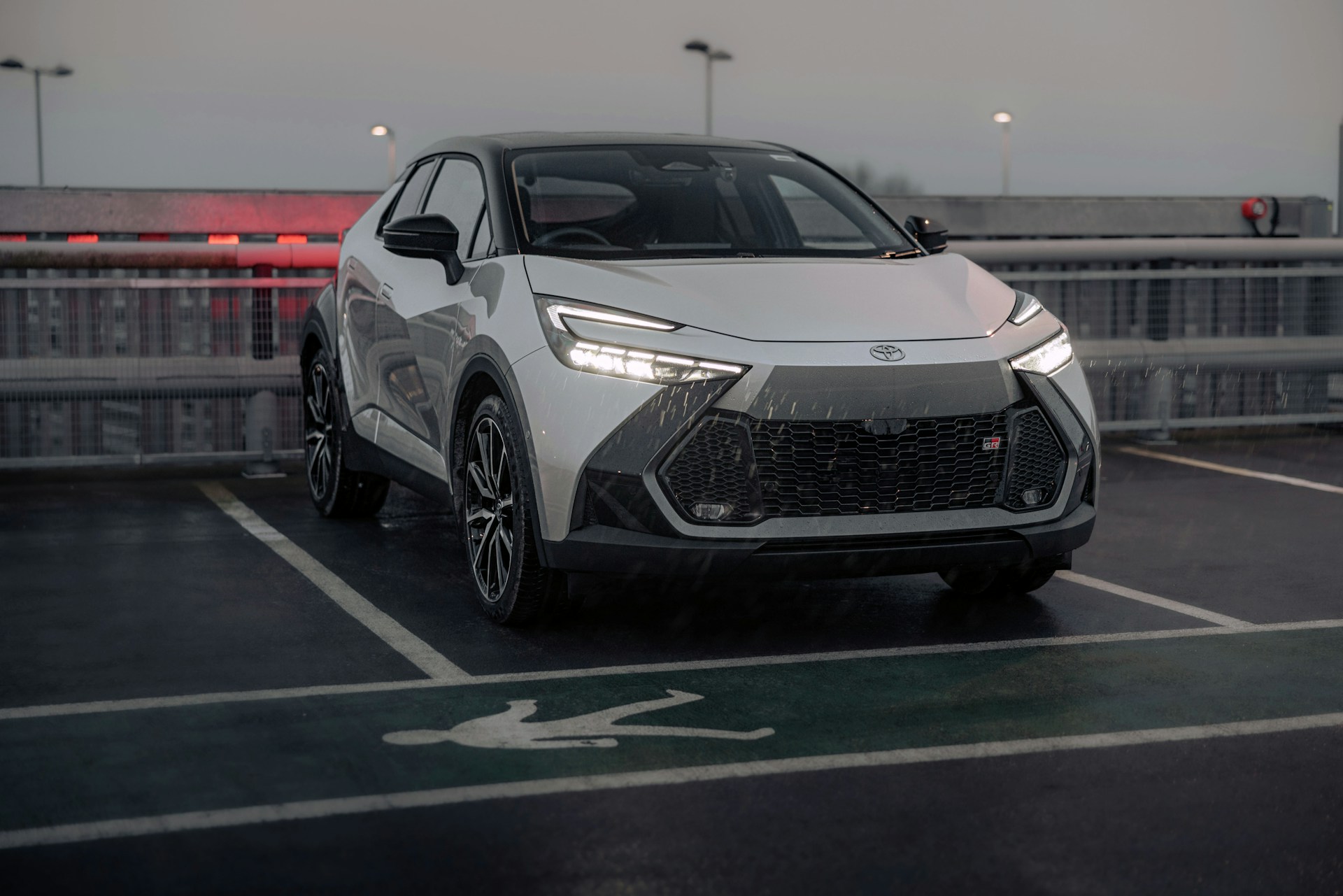
Electric vehicles (EVs) are gaining traction, and for good reason. They’re not just a futuristic dream anymore; they’re the present and the future of driving. Toyota, a leader in automotive innovation, is at the forefront with its electric vehicles. However, with new technology come common misconceptions, creating a mix of myths and truths around these vehicles. In Long Island and beyond, it’s time to clear up any confusion and get to the heart of what driving a Toyota electric vehicle actually means.
Many people have questions about electric vehicles, especially when it comes to understanding what’s true and what’s false. Is the range really that limited? What about charging availability? And, do they cost more to maintain? By exploring these topics, we’ll shed light on these concerns and provide some clarity. With their advanced technology and real-world benefits, Toyota’s electric vehicles are more accessible and practical than ever for those in Long Island and across the nation.
Myth 1: Electric Vehicles Have Limited Range
One of the most common misconceptions about electric vehicles is that they can’t travel far on a single charge. This idea likely stems from the early days of EVs when the technology was still evolving. However, times have changed, and so have electric vehicles.
Modern Toyota EVs boast impressive range capabilities. Thanks to advancements in battery technology and innovation, these cars can now travel significant distances before needing a recharge. While it used to be a concern whether an EV could handle a long drive without frequent stops, Toyota’s electric models are designed to address these fears, making them perfect for both daily commutes and longer journeys.
In practical terms, you might find that a Toyota EV suits your lifestyle just fine. Here are some highlights:
- Battery Efficiency: Advanced batteries keep the car running longer, reducing the need for constant recharges.
- Energy Recovery Systems: Regenerative braking technologies help extend the range by recharging the battery as you slow down.
- Real-World Conditions: Even in varying driving conditions, these vehicles deliver performance that’s both reliable and efficient.
As Toyota continues to improve its electric vehicles, the myth of limited range fades, allowing drivers to explore Long Island and beyond with confidence. Electric vehicles aren’t just for short trips anymore; they’re built to go the distance, proving that the journey indeed matters as much as the destination.
Myth 2: Charging Infrastructure is Inadequate
Another worry surrounding electric vehicles is that it’s tough to find places to charge them, especially when away from home. Many people imagine themselves running out of power in unfamiliar territory, frantically searching for a place to plug in. The truth is that charging infrastructure has grown remarkably, especially in places like Long Island.
Charging stations are popping up in convenient locations across the map. Whether at shopping centers, along highways, or even near your favorite restaurants, these stations make it easy to keep your EV powered up. In Long Island, for instance, the increase in the number of charging options reflects this positive shift. Finding a spot to charge up while running errands or grabbing a meal is much easier than it might have been just a few years ago.
Here’s how charging an EV is becoming more convenient:
- Visibility: Charging stations are now common in well-trafficked areas, reducing any fear of getting stranded.
- Speed: New fast-charging technology lets drivers quickly top off their batteries, often in less time than it takes to enjoy a cup of coffee.
- Integration with Navigation: Many EVs, including Toyota models, come equipped with navigation systems that lead you directly to nearby charging stations.
These advancements not only provide peace of mind but also make EVs a practical choice for the daily commuter or weekend explorer.
Myth 3: Electric Vehicles Are More Expensive to Maintain
Cost concerns extend beyond the initial purchase, with some thinking they’ll spend more maintaining an electric vehicle over its lifespan. Some assume that switching to an EV will mean higher repair bills due to complex technology or hard-to-find parts. While EVs use innovative components, their maintenance requirements can be surprisingly straightforward.
Traditional vehicles require regular oil changes, exhaust system repairs, and more. With electric cars, many of these standard services are unnecessary. EVs are engineered with fewer moving parts, which means less wear and tear and often lower maintenance costs over time. Drivers may find themselves visiting service centers less often, but when they do, the process is generally more streamlined.
Consider these points:
- Reduced Routine Maintenance: No need for oil changes or other issues related to combustion engines.
- Simpler Powertrain: Fewer components can mean fewer things going wrong.
- Software Updates: Many new features arrive through updates rather than physical repairs or replacements.
All this translates to less hassle and often a lighter burden on the wallet, challenging the misconception that electric vehicles are inherently more costly to keep in good condition.
Reality: Environmental and Financial Benefits
Beyond dispelling myths, owning a Toyota EV provides genuine advantages that go hand-in-hand with sustainability and savings. For those who really care about their carbon footprint, EVs present a cleaner way to travel. They’re not just good for the environment; they can also be good for the bank account.
Electric vehicles emit less pollution, helping reduce overall environmental impact. Their operation is cleaner and quieter, which creates a more peaceful driving experience. But it doesn’t stop there. Potential savings on fuel and maintenance, coupled with possible incentives, can make EVs an appealing economic choice.
- Lower Fuel Costs: Charging an EV can often be cheaper than filling up a tank with gasoline.
- Incentives and Rebates: Some regions offer financial incentives to help offset purchase costs.
- Long-term Savings: The reduced need for traditional maintenance cuts out many routine expenses.
While transitioning to an EV might mean changing some driving habits, the long-term benefits of a Toyota Electric Vehicle can resonate through both the wallet and the consciousness of forward-thinking drivers.
Embrace the Future of Driving with Toyota EVs
As we unravel these myths, it becomes clear that electric vehicles can be a practical and exciting choice for many. The worries surrounding range, charging, and maintenance may stem from outdated views that don’t reflect current realities. Toyota’s contribution to the EV landscape illustrates how far technology has come, providing options that are not only versatile but also worry-free.
For those curious about the real-world potential of these vehicles, considering them as your next ride could be a meaningful move. By embracing Toyota’s electric offerings, you’re not just choosing a mode of transportation; you’re opting for a future that’s both promising and environmentally conscious. Let’s drive forward into new possibilities together.
If you’re curious about how driving can become both eco-friendly and financially savvy, explore Toyota Electric Vehicles in Long Island. Get a closer look at what these innovative cars can offer and how they can fit into your life. Discover more by checking out Atlantic Toyota’s research on new models and see just what makes EVs a smart choice.
Connect with us

Recent Blog Entries
- Why Toyota Fuel System Service in Long Island Gets More Important in Spring
- What Toyota Wiper Blades in Long Island Do for Rainy Spring Days
- Spring Ready Toyota Air Filter Replacement in Long Island Explained
- Choosing Toyota Floor Mats in Long Island for Wet and Muddy Seasons
- Why Toyota Oil Filters in Long Island Matter for Early Spring Engines