


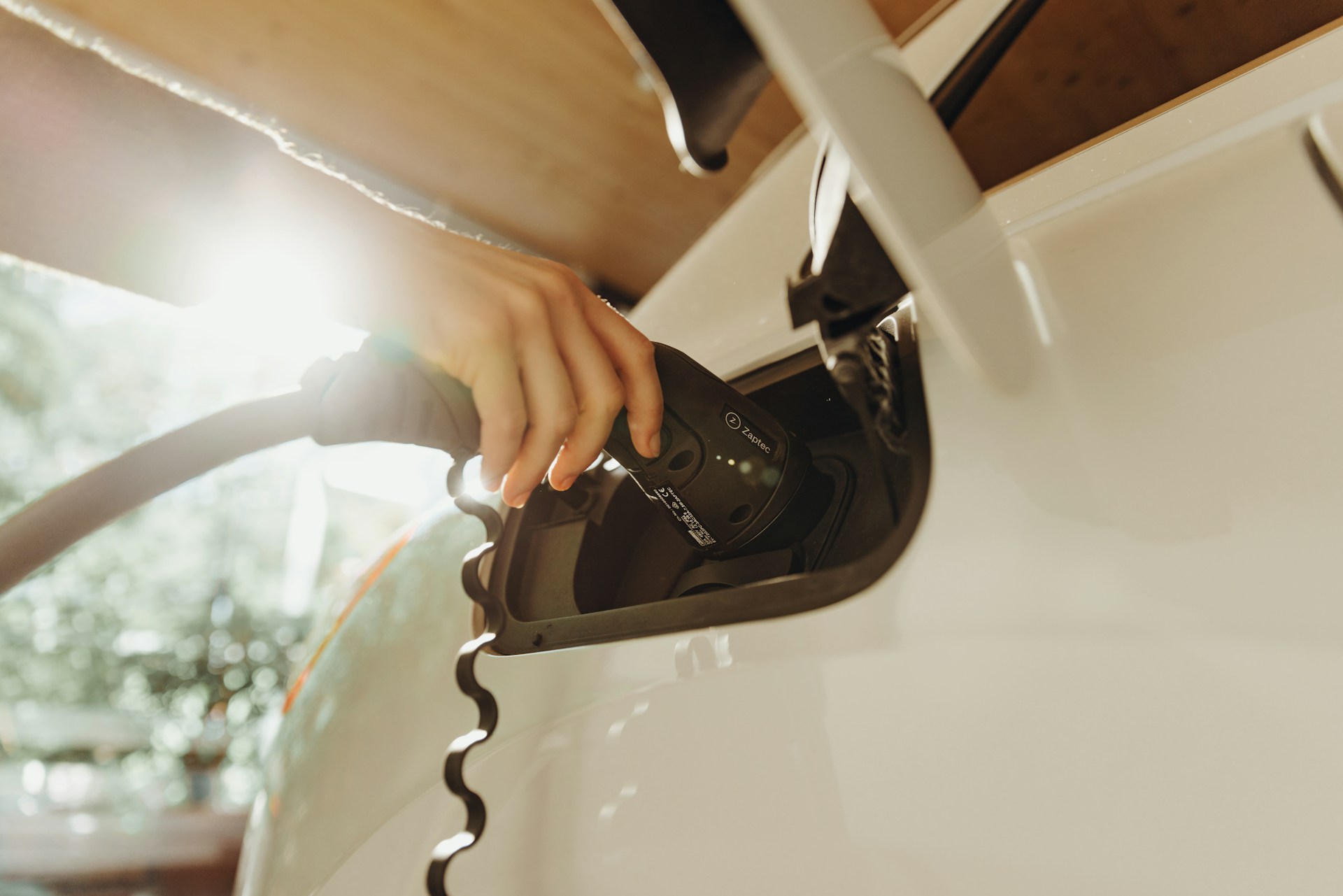
Electric vehicles are becoming a popular choice across Long Island, and for good reason. They’re quiet, modern, and help cut down on trips to the gas station. But once the temperatures dip and winter storms roll through West Islip, EV owners may notice some differences in how their vehicles perform. The cold has a unique effect on electric vehicles, especially the battery. If you’ve been wondering why your range drops in cold weather or how to make it through the season with fewer charging stops, you’re not alone.
Getting the most out of your Toyota EV during winter doesn’t require a bunch of high-tech upgrades. A few small changes in how you charge, drive, and warm up the car can go a long way. Whether you commute daily on Southern State Parkway or just need to run errands around town, knowing how to plan around winter’s challenges can help your battery last longer on each charge and save you from that low-range anxiety.
Understanding How Cold Affects EV Range
Cold weather has a direct impact on how your Toyota EV performs. The battery works differently when temperatures fall, especially when they hover below freezing. You might notice a shorter driving range and slower charging speeds. That’s because lithium-ion batteries, like the ones in Toyota electric vehicles, don’t deliver energy as easily in colder temperatures.
Another thing that plays a role is how much power gets used to heat the cabin. Unlike gas-powered cars that reuse engine heat to warm the interior, electric vehicles need to use battery energy to run the heater. That means the more you rely on the heater, the more battery power you use, and the faster your range can drop.
Driving behavior also tends to shift in winter. Roads are wetter or icy, and people are more cautious. That can lead to slower acceleration, longer idling periods, and a lot more stop-and-go traffic, especially during snow flurries. All of these factors combine to pull more energy from the battery at a faster rate.
Pre-Trip Preparation Tips
A few simple habits before you leave the house can make a big difference in how far you can go on a single charge during the winter months.
Here are some helpful tips to follow before hitting the road:
1. Warm up your EV while it’s still plugged in – Preconditioning helps bring the battery and cabin up to temperature before driving. Doing this while the car is still charging keeps you from using battery power to heat things up once you’re on the road.
2. Maintain a regular charging schedule – Keep your battery level between 20-80 percent. Charging to full isn’t always needed and can take longer in the cold. Time your overnight charging to finish just before your morning departure so the battery stays warm and ready to go.
3. Use preconditioning features, if available – Many Toyota EVs allow you to schedule warm-up times through the vehicle app or dashboard. This keeps the interior cozy and the battery at an optimal temperature without cutting into your daily range.
One example of this in real life is a driver in Long Island who added 15 to 20 minutes of preconditioning on winter mornings. They noticed that their driving range dipped less compared to days when they skipped it. They also spent less time waiting for the windows to defrost, which made staying on schedule much easier and the whole ride more relaxed.
These habits may feel small, but in winter, every bit of range counts. Taking time to prep your vehicle before you leave can help make sure you’re getting the most out of your battery, even on freezing days.
Driving Strategies for Winter Efficiency
Once you’re on the road, how you drive during colder months can make or break your EV’s range. Even if you’re in a rush, quick starts and hard braking will only drain your battery faster. Smooth, steady driving helps conserve energy and can stretch each charge a bit further. Think of it like taking a quiet stroll instead of a sprint. Your car appreciates it.
Make the most of regenerative braking. When you ease off the pedal, your Toyota EV can turn that slowing-down motion into a bit of recharge. It’s automatic in most models, but try to plan your stops gradually instead of slamming the brakes. That way, more energy goes back into the battery, especially in town where you stop and start a lot.
Tires matter too. Cold air lowers tire pressure, which affects how smoothly your vehicle rolls. If your pressure is off, your EV has to work harder to move, pulling more energy from your battery. Check it once a week when temperatures drop. You’ll also get better grip, which is helpful on slick roads.
These low-effort changes can actually add up. One local EV owner in West Islip shared how slowing down just a little during their daily commute helped them get home with more charge left. On top of that, driving calmly helped them feel less stressed during snow-covered backups on the Southern State Parkway.
Winter Maintenance Tips That Make a Difference
Winter doesn’t only challenge how you drive. It also pushes your EV’s parts to work harder. Keeping up with regular maintenance can prevent range loss and unwanted surprises. You don’t need any major upgrades, just a consistent checkup routine.
Here are a few things to stay on top of:
- Battery health: Cold can reduce battery performance, especially if your car’s older or hasn’t been inspected recently. A technician can run a battery check to spot early signs of wear.
- Cabin filters and HVAC: If your cabin filter is dirty, your HVAC system has to work harder to heat the interior. That eats into your battery range. Replacing the filter lets the system work more efficiently.
- Fluids check: EVs still rely on fluids like windshield washer fluid and brake fluid. Make sure they’re topped off and suited for low temperatures so nothing freezes or fails when you need it to work.
- Tire inspection: Beyond air pressure, make sure tires have good tread. Bald or worn tires can affect grip on snowy or wet roads, and poor traction may force your EV to use more energy just to stay moving.
Scheduling time for winter maintenance might feel like another errand, but staying ahead of these issues gives you a smoother, more reliable winter driving experience.
Keep Your Toyota EV Winter-Ready in Long Island
As cold weather settles in across Long Island, your Toyota EV needs a little more attention to stay reliable and range-ready. From warming the cabin while plugged in to steering gently on frozen roads, every bit counts when the temperature dips. Even small shifts to your usual habits can add comfort and confidence to your daily routine.
Winter driving doesn’t have to feel like a tradeoff. With the right preparation and proper maintenance, you can keep moving through West Islip all season long without the stress of running low on charge halfway through your plans. Staying informed and ready means you get more out of your EV without overcomplicating things.
Stay ahead of winter challenges by keeping your Toyota electric vehicles in Long Island in top shape. For those in the West Islip area, Atlantic Toyota offers great support with scheduled maintenance and service specials. Whether you’re preparing for a rough season or just need regular checkups, we’ve got you covered. For details, you can learn more about our service and parts specials to keep your vehicle winter-ready.
Connect with us

Recent Blog Entries
- Why Toyota Fuel System Service in Long Island Gets More Important in Spring
- What Toyota Wiper Blades in Long Island Do for Rainy Spring Days
- Spring Ready Toyota Air Filter Replacement in Long Island Explained
- Choosing Toyota Floor Mats in Long Island for Wet and Muddy Seasons
- Why Toyota Oil Filters in Long Island Matter for Early Spring Engines