


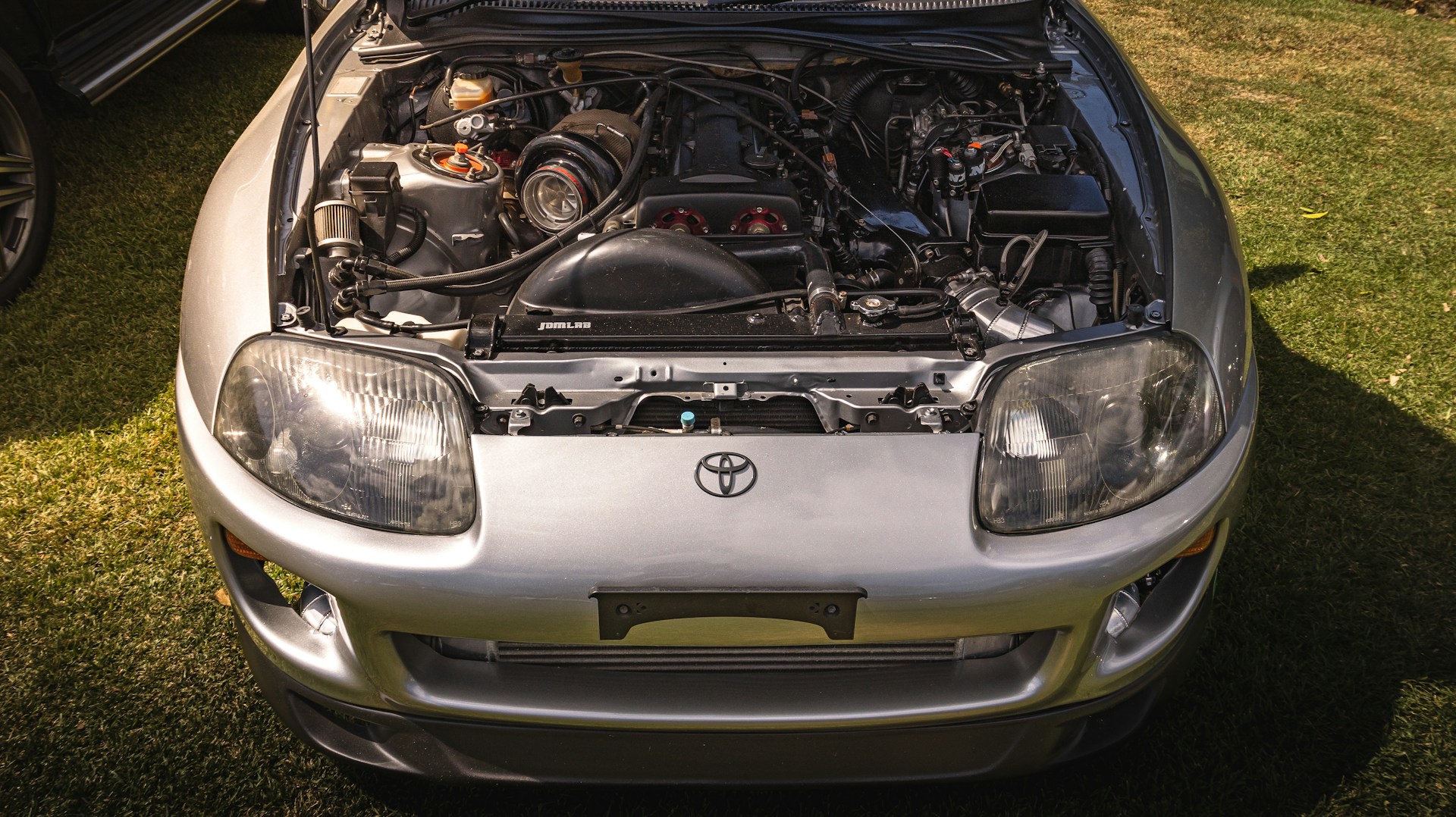
Winter in West Islip isn’t just about chilly mornings and frosty windshields. It’s also one of the harshest times of year for your Toyota’s radiator. When temps drop, your vehicle’s cooling system can easily shift from running smoothly to breaking down. Slush, salt, and freezing air all raise the risk of problems under the hood. That’s why it’s smart to carve out time in the late fall to prep your car for the cold months ahead.
Your radiator plays a major part in keeping your Toyota from overheating, even during freezing weather. While most people think of it working hard in the summer, winter presents its own set of challenges. If that system isn’t ready, you might notice your heater not working right, strange sounds from under the hood, or worse, costly engine repairs later. Winterizing might sound like a fancy term, but it often comes down to a few basic steps that help protect your entire coolant system when it matters most.
Why Winterizing Your Toyota Radiator Is Important
The radiator in your Toyota isn’t just a big metal box sitting behind the grille. It works as a heat exchanger, controlling the engine’s temperature and preventing it from running too hot or too cold. When things freeze, the engine still produces heat. But the radiator has to handle that shift in temperature while also protecting hoses, the heater core, and cooling fluid itself.
In winter, coolant can freeze if it’s not mixed right or if the wrong type of antifreeze is used. That not only blocks circulation but can crack hoses or even part of the radiator. A frozen radiator doesn’t just stop working. It can lead to leaks, overheating, or total engine failure. So it comes down to prevention. Getting your radiator winter-ready helps you avoid bigger problems before they start.
One example we’ve seen is a driver in Long Island who thought their heater stopped blowing warm air because of a broken blower motor. The real issue? Old coolant that wasn’t heating up properly inside the radiator. A flush and refill fixed it, but the whole issue could’ve been avoided with earlier winter prep.
Steps to Winterize Your Toyota Radiator
Getting your Toyota ready for winter in Long Island doesn’t mean becoming a mechanic overnight. You just need to focus on a few key steps that go a long way in protecting your radiator.
Here’s a checklist to help keep things running smoothly:
1. Flush the radiator – Old coolant loses its ability to protect against freezing. Flushing the system removes broken-down fluid, rust, and debris that could cause clogs or corrosion.
2. Use the correct coolant mix – The standard is usually a 50/50 blend of antifreeze and distilled water. It keeps the fluid from freezing and helps regulate temperature. A technician can tell you what’s best based on your Toyota model and West Islip’s climate.
3. Check radiator hoses – Cold air makes rubber brittle. If you see any cracks, bulges, or leaks, replace the hoses before they fail during a cold snap.
4. Inspect the radiator cap – A loose or worn cap can cause coolant to leak out and reduce pressure in the coolant system. Make sure it seals properly to protect the whole system once temperatures drop low.
Getting these steps taken care of before December gives your Toyota a better shot at avoiding engine strain and keeps your heater working when you need it the most.
Signs Your Radiator Needs Attention in Winter
Winter has a way of showing you problems that sat quietly through the warmer months. That includes radiator issues. While it doesn’t always start with a big leak or a warning light, there are signs that something could be going wrong.
Here’s what to watch for:
- Your heater doesn’t work right. If you turn it on and aren’t feeling warm air, your coolant might not be circulating properly. That points to either a clog or failing radiator function.
- You smell something sweet. It’s not a good sign. Coolant has a sugar-like smell, and if it’s leaking onto the engine or into your vents, you’ll notice it fast.
- Puddles or stains under your car. Leaking coolant leaves behind colorful puddles or chalky streaks under the front of your vehicle.
- Bubbling or gurgling under the hood. That means the coolant may be boiling, which should never happen if the radiator is working correctly.
- Temperature gauge running high. If your dashboard shows a hot engine or higher-than-normal readings, get your system checked. That’s often a sign the radiator isn’t regulating engine heat well.
Catching these early warnings helps stop smaller issues from turning into winter breakdowns.
Benefits of Professional Radiator Maintenance
There’s a difference between eyeing the radiator yourself and having a trained technician check it out. Modern Toyota engines rely on the cooling system staying tightly sealed, properly pressurized, and filled with the correct amount of fluid. A professional knows how to test pressure, find hidden leaks, and check parts like seals, clamps, and the core structure of the radiator.
Getting ahead of problems now by having a technician flush the system, inspect the hoses, and test the antifreeze mix could save you from major repairs when icy weather kicks in.
The payoff isn’t just peace of mind. Keeping things in top shape this winter helps protect other key parts like the water pump, heater core, and thermostat. It means your engine won’t overheat or freeze, and your heater keeps the cabin warm for you and your passengers.
Professional servicing also gives you a clear picture of what shape your radiator is in. That way, you’re not guessing or risking a surprise repair on a freezing morning in Long Island.
Keep Your Toyota Ready for Winter in West Islip
Getting your Toyota’s radiator winter-ready doesn’t have to turn into a stress-filled project. Start with the basics: flush out old coolant, check your hoses, inspect the cap, and make sure the right antifreeze levels are in place. It’s a smart seasonal habit just like swapping out wiper blades or checking tire pressure.
In West Islip and across Long Island, cold isn’t just an inconvenience. It can seriously test your vehicle’s systems. Taking care of your radiator now means smoother starts, warmer rides, and fewer headaches when ice and snow return.
If your car’s heat isn’t right, the temp gauge runs high, or you spot seepage near the radiator, don’t ignore it. Most radiator problems get worse the longer they go unchecked. Book a service and let professionals double-check everything. That way, you’re ready for whatever the forecast brings.
Winter can be tough on vehicles, especially when it comes to Toyota radiators in Long Island. If your radiator needs attention or it’s time for a checkup, don’t delay. Atlantic Toyota is here to help you take advantage of seasonal service specials so your car stays ready for every cold snap. Keep your drives smooth and worry-free by scheduling your radiator service with us today.
Connect with us

Recent Blog Entries
- Is Now the Time for Toyota Electric Vehicles in Long Island?
- Understanding Toyota Radiators in Long Island for Winter Driving
- When to Book Toyota Battery Replacement in Long Island in Cold Weather
- Choosing Certified Pre-Owned Toyota in Long Island for Peace of Mind
- Cold Weather Warnings: Why Toyota Starters in Long Island Sometimes Fail