 EN
 ES


Dealership blog
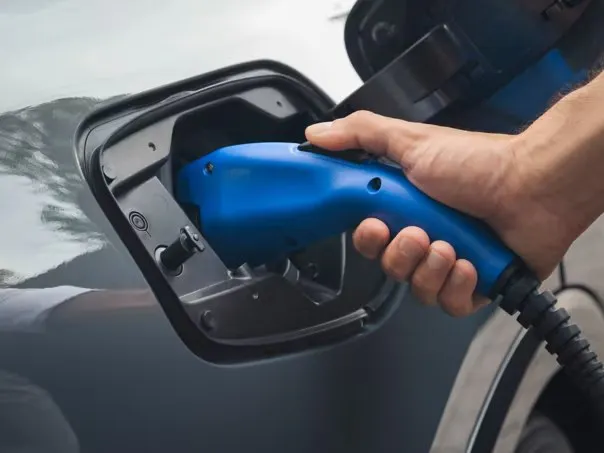
5 Ways to Stretch the Electric Range on Your Toyota Prius Plug-in Hybrid This Fall
1. Precondition Before You Unplug
Heating is the biggest reason your electric miles shrink in fall. Warming a frosty cabin and a chilly battery takes energy. If the car does that work after you back out of the driveway, it comes straight out of your EV range.
Warming things up while the car is still plugged in flips that around. Wall power does the heating instead of the battery, so you leave with a warm cabin and a full charge.
How to do it
- Set a departure time, or use remote climate in the Toyota app if your Prius has it, so the cabin is warm before you go.
- Keep the cord connected until you’re ready to leave.
- Clear frost and fog while the car is plugged in, not after you’ve unplugged.
Once you’re moving
On the road, lean on heated seats and a heated steering wheel if your trim has them. They warm you directly, which takes far less power than heating all the air in the cabin. Set the cabin temperature a little lower and let the seat do the rest. You’ll stay comfortable and keep more of your electric range.
2. Use EV Mode for West Islip Errands
Short, slow trips are where a plug-in hybrid shines. Think of a run down Montauk Highway to the grocery store, school pickup, or a loop over to Babylon Village. That’s stop-and-go driving at modest speeds, and EV mode handles it well because the car recovers energy every time you brake.
You only get so many electric miles per charge, so spend them where they go furthest. Local roads with lights and stop signs give regenerative braking constant chances to put energy back. A steady highway cruise doesn’t.
A few habits help:
- Combine errands into one trip so the cabin only has to warm up once.
- Lift off early for red lights and let regenerative braking do most of the slowing.
- Accelerate gently. Hard starts can bring the gas engine in, even in EV mode.
- Try Eco drive mode around town if you like a softer throttle.
In real cold, the gas engine may still run now and then, sometimes to help heat the cabin, even with EV mode selected. That’s normal. Preconditioning and relying on seat heat cut down how often it happens.
3. Charge Overnight Instead of Rushing Daytime Top-Ups
Why timing matters
Batteries don’t like the cold. A chilly pack accepts charge more slowly and gives back a bit less of what it holds. If you plug in overnight and set the charge to finish close to your usual departure time, the battery is at its warmest right when you head out.
A quick daytime top-up after the car has been sitting in a cold lot usually adds less range than you’d hope. A long, steady overnight session is more dependable and costs you no time.
Making home charging easy
A standard household outlet works with the Prius Plug-in and covers most overnight sessions. If your schedule is tight or you share the garage outlet, a Level 2 home charger shortens the wait. Plugging in every night is better than running the battery low and then looking for a public charger on a raw evening.
Parking in a garage helps too. Even an unheated one keeps the car out of the wind and a few degrees warmer than the driveway, so there’s less to warm up the next morning. If you park outside, use the charging timer and preconditioning together. They make a big difference on frosty mornings.
4. Watch Tire Pressure as Temperatures Drop
This one is easy to miss. Air contracts as it cools, and tire pressure drops roughly a pound for every ten degrees the temperature falls. Tires set in a warm September can be noticeably low by late October, even with no leak.
Soft tires flex more and roll with more resistance, so the car uses more energy to cover the same distance. On a plug-in hybrid, you notice that as fewer electric miles from the same charge. Low pressure also wears tires faster and can dull your steering feel on wet leaves.
What to do
- Check pressure once a month and after any big cold snap.
- Measure in the morning before you drive, when the tires are cold.
- Use the pressure on the sticker inside the driver’s door jamb, not the maximum printed on the tire.
- Don’t brush off the tire pressure warning light. Cold mornings often trigger it, and it means the tires need air.
If you’d like a pro to check tires, brakes and battery health before winter, book a service visit with us. Atlantic Toyota also offers service assistance if you have questions about what your Prius needs this season.
5. Plan Longer Trips Around Hybrid Mode
Highway speeds burn through a battery quickly, and cold air makes that worse. When you’re heading out on the Southern State, the Long Island Expressway, or east toward the North Fork for a fall weekend, switching to HV mode for the highway stretch is often the smarter play.
In HV mode, the car drives like a regular Prius hybrid and holds onto your remaining charge. Save that battery for the slow parts at the end: the farm stand lot, a downtown with lights, or the last few miles back through West Islip. You end up using electric power where it does the most good.
A simple trip plan
- Leave fully charged and preconditioned.
- Use EV mode for the local roads on your way to the highway.
- Switch to HV mode once you’re cruising at speed.
- Go back to EV mode for the final local stretch.
Longer fall drives mean more time on dark, cold roads, so it’s worth knowing what backup you have. Atlantic Edge, our own customer-benefit program, includes 24-hour roadside assistance. If you want help setting up charging timers or drive modes on your Prius, reach out to our team and we’ll walk you through it.
West Islip, NY
- Preconditioning on wall power is the single biggest cold-weather range saver.
- Spend electric miles on slow local driving and use HV mode for the highway.
- Check tire pressure after cold snaps, since cooler air lowers it and cuts range.
|
FAQ
Common questionsIs it normal for my Prius Plug-in to show less electric range in October?Yes. Cold air slows the battery chemistry, and heating the cabin uses energy that would otherwise move the car. Your range comes back as temperatures climb in spring. Preconditioning, steady overnight charging and correct tire pressure keep the fall dip as small as possible.
Is it OK to charge my Prius Plug-in every night?Yes. The car manages its own battery, and plugging in nightly is the easiest way to start each day with a full charge. In cold weather it also lets you warm the cabin on wall power before you leave, which protects your electric range.
Should I use EV mode or HV mode on the highway in cold weather?On a longer highway run, HV mode usually makes more sense. It saves your charge for slower local driving, where electric power goes further and regenerative braking can recover energy. For short trips around town, stick with EV mode.
|
|
Want to see it in person?
Browse what is on the lot right now, or come by and see it in person.
Or call (631) 203-9811 · 207 Sunrise Hwy North Service Rd, West Islip
|