 EN
EN ES
ES

Dealership blog
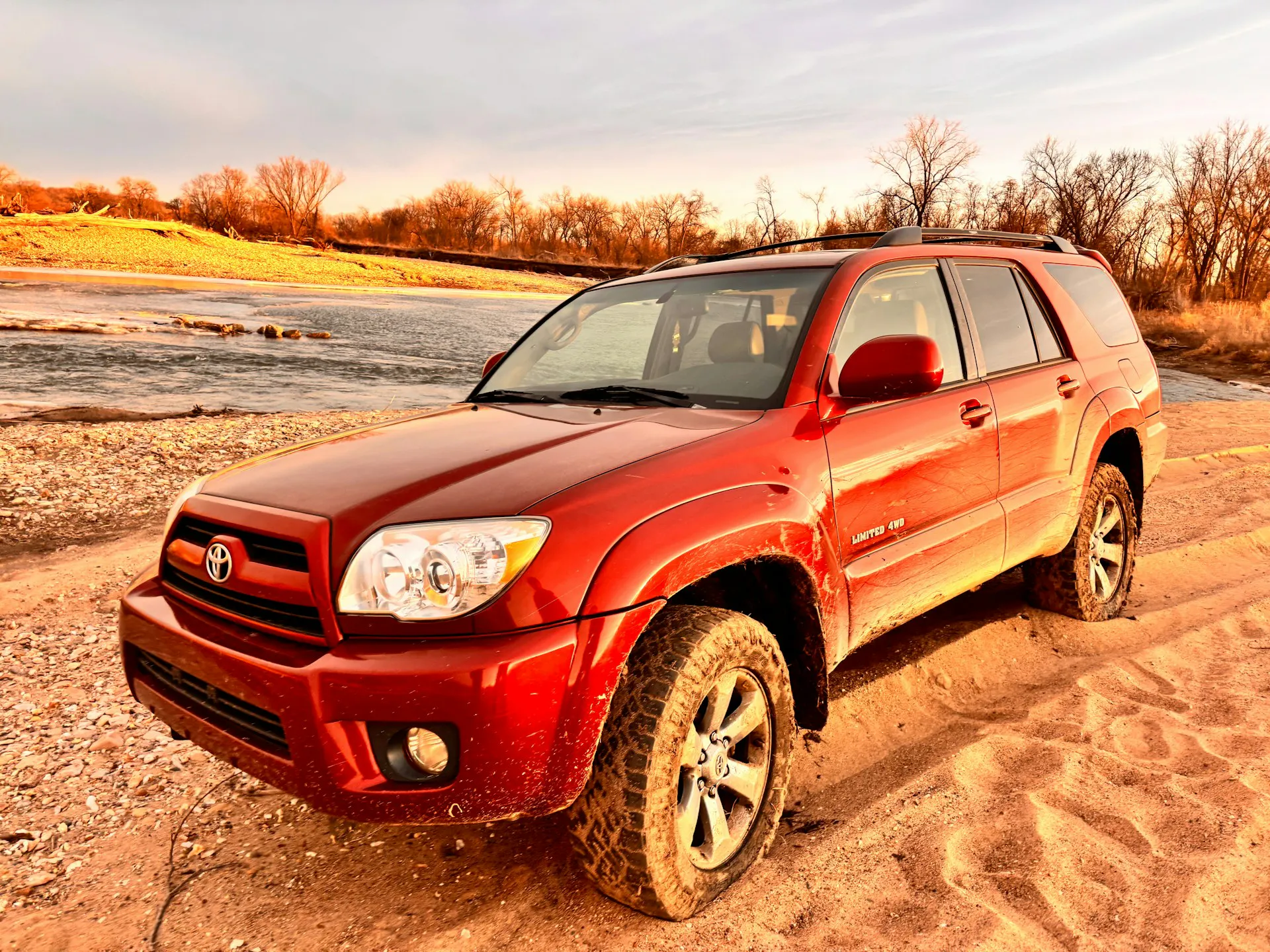
Beach Sand, Potholes, and Your Toyota Tires on Long Island
Summer Road Trips Start with Beach-Ready Tires
Strong, healthy tires are one of the most important parts of safe driving on Long Island. Trips to Robert Moses, days at Jones Beach, and rides out toward Montauk all depend on how well your Toyota grips the road and handles surprise bumps and sand.
Long Island roads are not always easy on your tires. Beach sand, salty air, and year-round potholes create wear that can sneak up on you. In this article, we will talk about how local conditions affect your Toyota tires in Long Island, how to spot trouble early, and what you can do to protect your tires before your next summer drive.
How Beach Sand and Salt Damage Your Toyota Tires
Beach days feel great, but your tires pay the price. When you drive through sandy parking lots or shoulder areas near the ocean, sand acts like sandpaper. It works its way into tread blocks and along the sidewalls, wearing the rubber faster than normal highway driving.
Salt adds another layer of trouble. Even if you are not driving through ocean water, the salty air near the shore can slowly affect your wheels and tire parts.
Here is what can happen around beach areas:
- Sand grinds away at tread, which can reduce traction on wet or sandy roads
- Sharp shells and stones can get stuck in grooves and small cuts
- Salt air can lead to surface corrosion on wheels and valve stems
- Rubber can dry out faster, raising the risk of tiny leaks over time
After beach trips, it helps to give your tires a little extra care. Simple habits can make a big difference, such as:
- Rinsing wheels and tires with fresh water to wash away sand and salt
- Looking closely for stuck shells, stones, or glass in the tread
- Checking sidewalls for new scuffs, cuts, or cracks
- Planning routine tire inspections with a professional before the vacation season gets busy
Regular checks keep small issues from turning into sudden flats on the way to or from the shore.
Battling Long Island Potholes Before They Ruin Your Trip
Long Island roads go through a lot of temperature changes, and that means potholes. Winter cold and spring thaw can break up pavement on the Long Island Expressway, Sunrise Highway, and local streets across Nassau and Suffolk. By the time summer hits, many of those holes are deep and harsh.
A strong hit to a pothole does more than give you a scare. It can:
- Bend or crack a wheel
- Create a bubble in the tire sidewall
- Throw your wheel alignment out of spec
- Damage the inside structure of the tire
Sometimes the damage is clear, like a visible bulge in the sidewall. Other times, it shows up as:
- Vibrations in the steering wheel
- The car pulling to one side
- A new thumping or humming sound
- • Uneven wear patterns across the tread
In hot summer weather, a weakened tire is more likely to fail at highway speeds, which is the last thing you want on a crowded trip home from the beach. You can lower your risk by:
- Keeping tire pressure at the level listed on your door jamb label
- Slowing down when roads look rough or patched
- Avoiding standing water that might hide deep potholes
- Having your alignment and tires checked after any serious impact
Catching damage early helps protect both your safety and your suspension.
Choosing the Right Toyota Tires in Long Island
Driving on Long Island is a mix of everything. You might do daily commuting, weekend beach runs, and long highway trips all on the same set of tires. That is why it helps to pick tires that match how and where you drive, not just the size listed on the sidewall.
There are a few common tire styles for Toyota models:
- Touring tires: Comfortable, quiet ride, good for daily driving and long highway trips
- Performance tires: Sharper handling and strong grip, great for spirited driving on dry roads
- All-terrain tires: More rugged tread, helpful if you often use unpaved or rough access roads
Touring tires work well for many Long Island drivers who mostly stay on paved roads and highways. Performance tires can make sense if you value handling and road feel. All-terrain tires may help if you often drive on loose surfaces or gravel.
For Toyota tires in Long Island, fitment matters as much as style. Matching the exact size, load rating, and speed rating that your Toyota was designed for helps keep braking, steering, and safety systems working as they should. In some cases, replacing all four tires at once is best, especially on all-wheel drive models. Other times, replacing two at a time may work if tread depth and tire type match closely. A tire expert who knows your model can guide you on the safest option.
Summer Tire Care Tips for Longer-Lasting Safety
Good tires do not just depend on what you buy, but also how you care for them. A quick monthly check can add miles to their life and help avoid breakdowns during busy summer travel.
Use a simple checklist:
- Look across each tire for even tread wear
- Use a coin test to see if tread depth is getting low
- Check for cracks, cuts, bulges, or missing rubber chunks
- Watch for one tire wearing faster than the others
Heat affects tire pressure. On hot summer days, air inside your tires expands, which can push pressure above the recommended level. Too much pressure can make the ride harsh and can reduce the size of the contact patch, while too little pressure can cause extra heat and wear.
To keep things under control:
- Check tire pressure when the tires are cold, before you start driving
- Adjust to the pressure listed on your door jamb label, not the number on the tire sidewall
- Recheck before long highway trips or heavy loads
Smart habits throughout the year also help, such as:
- Rotating tires at the intervals listed in your Toyota maintenance schedule
- Storing off-season tires in a cool, dry place away from direct sun
- Pairing tire checks and rotations with oil changes or multi-point inspections for convenience
These small steps support better grip, smoother rides, and more peace of mind on busy Long Island roads.
Hit the Long Island Beaches with Confidence This Summer
Strong, healthy tires give you better control in heavy traffic, better braking in sudden stops, and more stability on wet, sandy, or rough surfaces. On Long Island, where beach roads, salt air, and potholes are part of daily life, tire care matters even more.
By understanding how local conditions affect your Toyota tires in Long Island, choosing the right type of tire for your driving, and keeping up with simple checks, you can enjoy your drives to the shore and across the Island with greater confidence. With the right support from the tire specialists at Atlantic Toyota in West Islip, your Toyota will be ready for your next summer adventure.
Keep Your Toyota Riding Smooth and Safe
If your tread is wearing thin or your ride does not feel as secure as it used to, our team at Atlantic Toyota is ready to help you choose the right Toyota tires in Long Island for your driving needs. We will inspect your current tires, walk you through your options, and install your new set with careful attention to detail. To schedule your appointment or ask a question, simply contact us and we will get you set up quickly.