 EN
EN ES
ES

Dealership blog
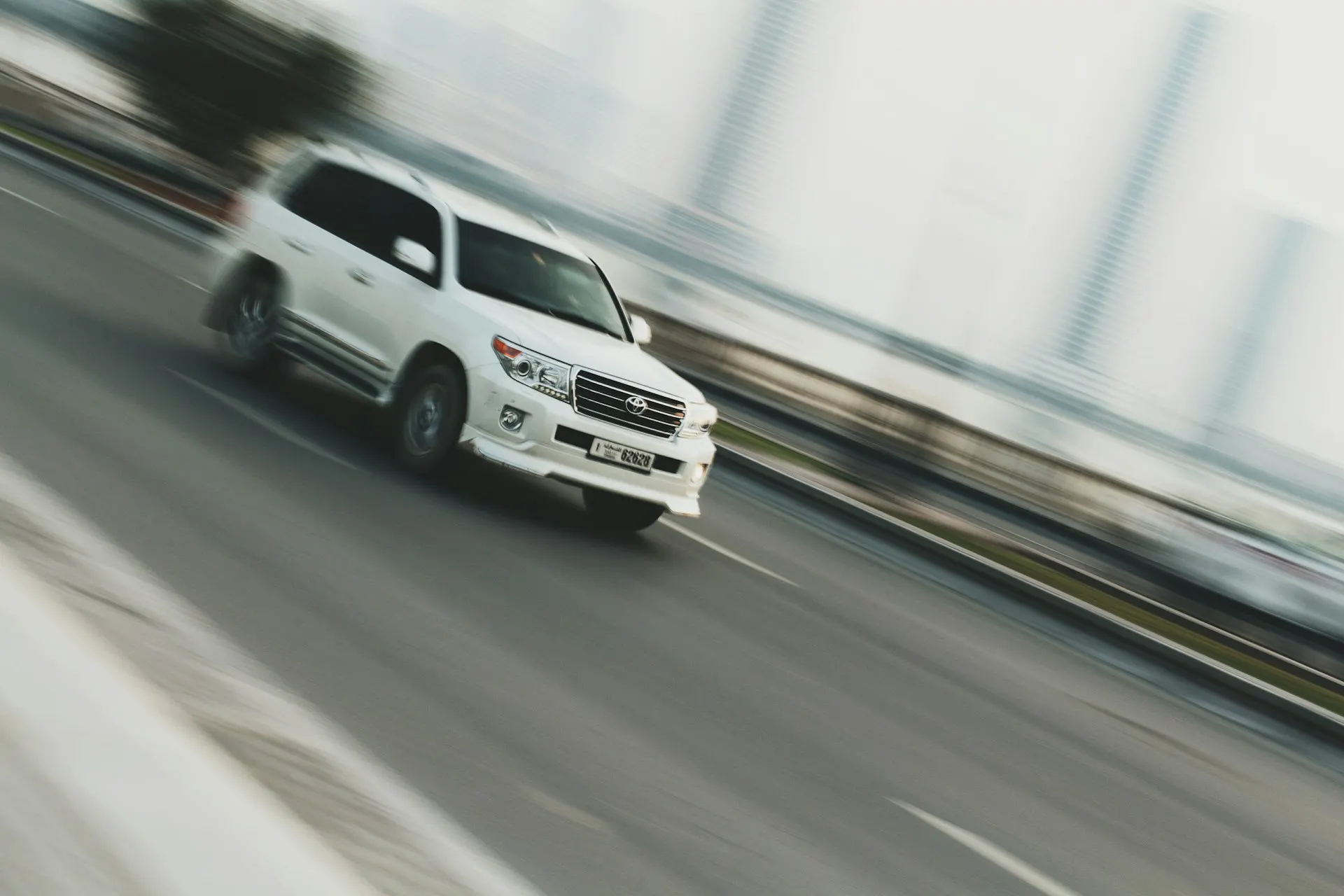
How Stop-and-Go Traffic on Long Island Impacts Toyota Brake Pad Lifespan
Stop-and-Go Traffic Is Wearing Out Your Toyota Brakes
Long Island traffic is hard on brakes. Sunrise Highway backups, LIE slowdowns, and summer lines heading to Jones Beach or out toward Montauk can have you on the brake pedal every few seconds. All that constant stopping is rough on your Toyota, especially on the parts that help you slow down safely.
Brake pads sit inside your brake system and press against the metal rotors on your wheels. When you step on the brake pedal, the pads squeeze the rotors and turn your car’s motion into heat, which slows you down. Good brake pads help shorten stopping distance and give you more confidence when traffic suddenly stops.
On Long Island, that stop-and-go style of driving can wear out brake pads faster than many drivers expect. The good news is, with smart habits and timely Toyota brake pad replacement in Long Island, you can help keep your braking strong, protect other parts of the system, and feel safer every time you head out.
Why Long Island Driving Eats Through Brake Pads Faster
Driving here is not like driving on wide-open country roads. Our roads are packed with lights, people turning in and out of parking lots, and sudden slowdowns that force frequent braking.
Here is what makes Long Island especially tough on brake pads:
- Heavy rush-hour traffic with constant creeping and stopping
- Traffic lights and stop signs every few blocks in many towns
- Short merge lanes that make you slow down and speed up over and over
Every time you press the brake pedal, your pads create friction and heat. In normal amounts, that is fine. In stop-and-go traffic, the heat builds up more often and does not always get a chance to cool. Over time, this steady stress wears down the pad material faster.
Local driving patterns do not help either. Summer brings extra tourist traffic, more trips to Fire Island ferry terminals, and busy beach days that keep you inching along for long stretches. Winter adds sand and road salt that can get into brake parts and cause extra noise or wear. Potholes and rough spots can also force sudden stops or hard braking, which is tougher on the pads.
Brake pads can last a long time under gentle driving, but many drivers on Long Island notice they need new pads sooner than expected. If you spend a lot of time commuting across Suffolk and Nassau counties or sitting in traffic near West Islip, it is normal for your Toyota to need more frequent brake care.
How to Spot Early Signs Your Toyota Needs New Brake Pads
Brake pads wear slowly, so you often will not feel a sudden change. That is why it helps to know the early warning signs and act before things get worse.
Common signs your Toyota may need new brake pads include:
- Squeaking or high-pitched noises when you apply the brakes
- Grinding sounds, which can mean the pad is very worn
- Longer stopping distances or needing more pedal pressure
- A soft, spongy, or vibrating brake pedal
- Brake warning lights glowing on your dashboard
You might also notice brake dust on your wheels. Some dust is normal, but a big increase on one wheel or very uneven discoloration can point to uneven pad wear or another issue, like a sticking caliper.
Waiting too long can turn a basic brake pad replacement into a larger repair. When pads wear down too far, the metal backing can scrape the rotors. That can lead to grooves, overheating, and damage that may require rotor work along with pads. In sudden-stop situations on the Southern State Parkway, worn pads and damaged rotors can mean longer stopping distances and less control, which is the last thing you want in tight traffic.
Smart Habits to Extend Your Toyota Brake Pad Lifespan
You cannot control Long Island traffic, but you can change how you drive in it. Small habits can add up and help your brake pads last longer.
Try these driving tips on local roads:
- Leave more space between you and the car ahead
- Look farther down the road and ease off the gas earlier
- Take your foot off the brake when you do not need it, instead of “riding” it
- Slow gradually instead of making hard, last-second stops
On gentle downhill stretches, you can ease off the gas and let the engine help slow the car before you touch the brakes. That takes a little work off the pads. In heavy summer traffic near the beaches, it helps to be patient and give yourself extra time so you are not constantly racing from light to light.
A few more habits can also reduce brake strain:
- Keep tires properly inflated so your Toyota does not work harder to stop
- Avoid carrying heavy cargo you do not need
- Stay on top of regular maintenance checks and tire rotations
When your tires wear evenly and your brakes are checked on schedule, the whole system can work more smoothly. That often means less stress on your brake pads in the long run.
When to Choose Toyota Brake Pad Replacement in Long Island
Brakes are one area of the car where expert care really matters. Toyota models are designed with specific parts that work together, and using the right pads and tools helps keep your stopping power strong, especially in busy Long Island traffic with sudden stops and short merge lanes.
Professional Toyota brake pad replacement in Long Island gives you:
- Technicians with training on Toyota braking systems
- Brake pads made to fit your model and work with your rotors
- The right tools and methods to help everything seat and operate correctly
During a professional brake inspection, you can expect the team to measure the pad thickness, look over the rotors for grooves or heat spots, check brake fluid condition, and test-drive the vehicle to listen for noises or feel for pulsation. This kind of full check helps catch problems early, instead of just swapping parts and hoping for the best.
Modern braking systems, especially on hybrid and newer Toyota models, can be complex. They may include electronic controls and systems that need special handling. That is why DIY brake work is not a good idea for most drivers. A simple mistake can affect your safety and end up costing more to correct.
Keep Your Toyota Ready for the Next Long Island Commute
Brakes often get attention only when something sounds or feels wrong, but waiting that long is risky. If you are planning late-summer trips, heading out for a weekend on the South Shore, or getting ready for back-to-school traffic, it is smart to have your brakes checked before you hear grinding or feel shaking through the pedal.
At Atlantic Toyota in West Islip, we help Long Island drivers keep their brake systems in good shape through regular inspections and professional service. When your brake pads are in good condition and your system is working as it should, everyday driving feels smoother, stressful commutes are a little less tense, and you can move through traffic with more peace of mind.
Keep Your Toyota Braking Safely and Smoothly
If your brakes are squeaking, grinding, or just not feeling as responsive as they should, we are ready to help you restore confident stopping power. Schedule your Toyota brake pad replacement in Long Island with Atlantic Toyota so our factory-trained technicians can inspect your system and install the right parts for your vehicle. We will walk you through what we find, answer your questions, and get you back on the road with brakes you can trust. If you prefer to speak with a team member first, you can contact us to discuss your brake concerns and appointment options.