 EN
EN ES
ES

Dealership blog
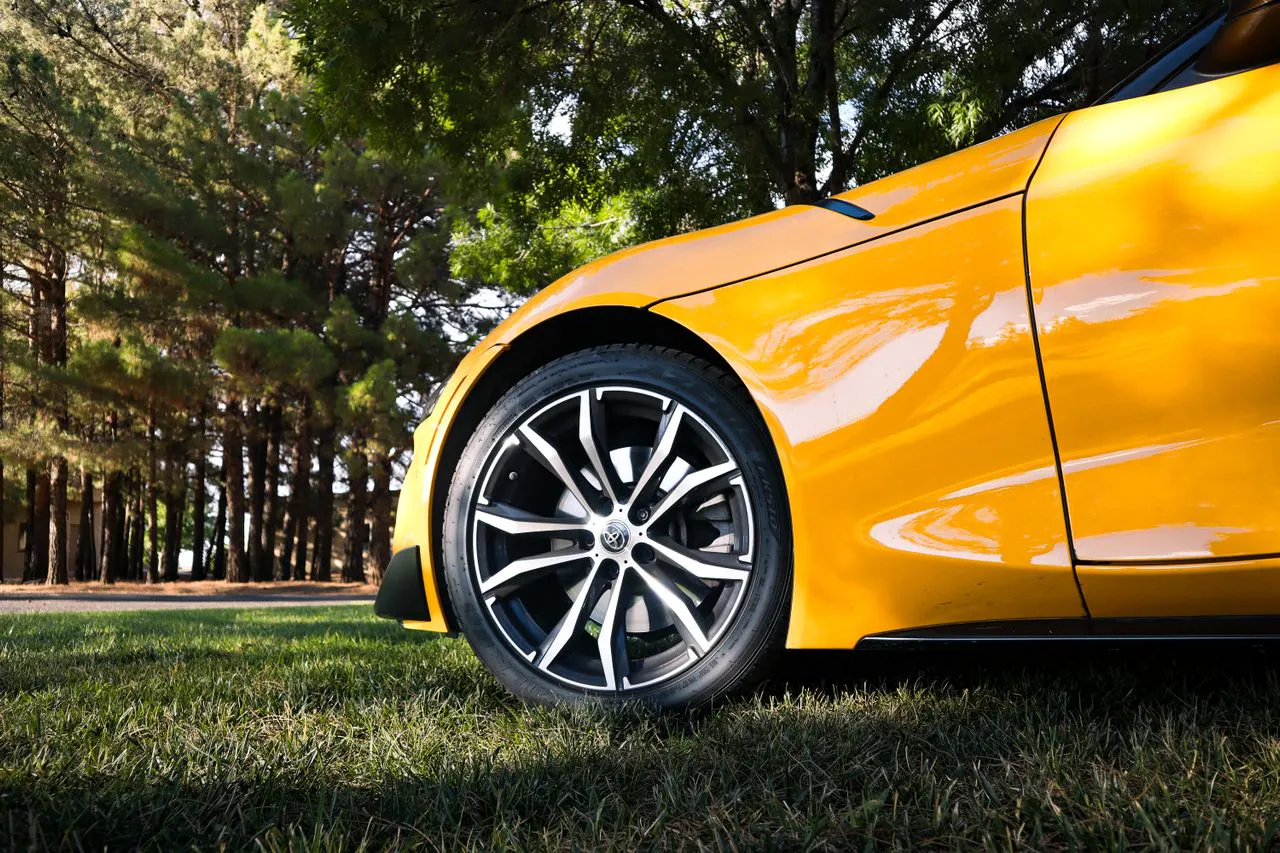
Smart Choices for Toyota Tires on Long Island’s Beach Roads
Conquer Long Island Beach Roads with Confident Traction
Driving to the beach around Long Island feels simple until the road surface changes under your tires. One minute you are on smooth pavement, the next you are rolling over loose sand, standing water, or rough access roads. The right Toyota tires in Long Island can help you stay in control, protect your vehicle, and avoid stress on those shoreline drives.
Beach-area driving is very different from regular neighborhood or highway driving. Sand collects near parking lots and shoulders, ocean spray and salt hang in the air, and rain can leave large puddles in low spots. All of that puts pressure on your tires in ways that are easy to overlook. At Atlantic Toyota in West Islip, we pay close attention to these coastal conditions so we can help drivers match their Toyota tires to the way they actually use their vehicles, both for beach days and daily commutes.
How Beach Roads Punish the Wrong Tires
Long Island’s shoreline routes are beautiful, but they can be rough on tires. The mix of sand, salt, and broken shell pieces is tough on rubber and metal parts over time.
Here are some of the common hazards around beach roads:
- Loose sand that cuts grip when you pull into or out of parking areas
- Shell fragments and small rocks that can wedge into tread blocks
- Salt spray and moisture that speed up corrosion on wheels and hardware
- Potholes and broken pavement near beach entrances and side streets
These conditions can cause:
- Reduced traction when you brake or turn on sandy or damp surfaces
- Faster tread wear from sharp or uneven pavement
- Higher risk of sidewall cuts from hidden debris along shoulders
- More heat building up in the tire when the surface is hot
Seasonal changes in early fall add more stress. Warm days can push tire pressures higher, while cooler evenings pull pressures back down. If your tires start the day overinflated, they can wear in the center and feel harsh over bumps. Heavy weekend traffic around popular beaches also means more stop-and-go driving, which puts more strain on tread and sidewalls. If these stressors are ignored, the result can be longer stopping distances, sudden flats, or even blowouts when you are far from home and help.
Choosing the Right Toyota Tires in Long Island’s Coastal Climate
Not all tires are built for the same job. The way you use your Toyota matters when you pick tires for life along the shore.
Common tire types you might see on Toyota models include:
- All-season tires, a good fit for most daily commuting and light beach-area use
- Performance tires, designed for sharper handling on dry pavement but often less happy in deep water or rough lots
- All-terrain tires, popular on trucks and some SUVs, with stronger sidewalls and more open tread for unpaved or broken roads
For popular Toyota models like RAV4, Highlander, Camry, Corolla, and Tacoma, the right tire should handle:
- Water on the roadway with tread channels that move water out from under the tire
- Loose sand and small gravel in parking areas with enough tread edges to grab the surface
- Salt air and sun with rubber compounds that help resist cracking
If you carry coolers, folding chairs, sports gear, beach tents, or kayaks, you want to pay attention to load rating and size as well. Extra weight means your tires work harder every mile. Matching the correct load rating to your typical cargo can help reduce heat buildup and uneven wear, especially in SUVs and trucks that spend time on beach access roads.
At our dealership, our team looks at how often you drive near the water, how much you carry, and where you spend most of your miles, highway or local. That way, we can compare Toyota-approved tire options, explain how different tread designs will feel, and help you find a set that fits both your beach plans and your commute.
Tire Care Habits That Protect You on Beach Drives
Even the best tires need simple care, especially if you are often near the coast. A quick check before a weekend drive can prevent a long delay on the side of the road.
A basic pre-beach routine can include:
- Looking at tread depth to be sure grooves are still deep and even
- Checking for shells, small rocks, or glass stuck in the tread
- Inspecting sidewalls for cuts, bubbles, or scuffs
- Checking tire pressure when the tires are cold, not just after driving
Salt and sand do not just sit on the surface. They can work into small gaps around wheels, brake parts, and TPMS sensors. Rinsing your tires, wheels, and underbody after beach-area drives helps wash away salt, sand, and grime that can lead to faster wear or hidden damage later.
Regular rotations, balancing, and alignments are also very helpful for coastal drivers. Rough patches, tight parking areas, and stop-and-go traffic can cause the front and rear tires to wear at different rates. Rotating helps spread the work around so one tire does not wear out long before the others.
For emergencies on beach roads, it helps to be ready with:
- A properly inflated spare tire or a repair kit, depending on your Toyota model
- A jack and tools that you know how to use safely
- Knowledge of safe pull-off spots on firmer ground, away from soft sand
- A plan for when to wait for roadside help instead of trying to dig out a stuck vehicle
When to Replace Your Toyota Tires Before Fall and Winter
Tires that spend a lot of time around the beach often wear out in ways a quick glance can miss. Catching early signs of trouble can keep you from sliding or getting stuck.
You will want to think about replacing tires if you notice:
- Tread that is worn close to the wear bars or feels shallow across the surface
- Tiny cracks in the rubber, especially near the sidewall or between tread blocks
- Bulges, deep cuts, or cords starting to show
- Extra road noise, shaking, or pulling that was not there before
Early fall is a smart time to take a closer look. Wet leaves, heavier rain, and cooler temperatures are on the way, and all of those demand more from your tires. Worn rubber needs more distance to stop on wet or sandy pavement. This can be especially risky around crosswalks, bike lanes, or narrow coastal roads where you share space with people walking, jogging, or riding.
During regular service visits, tire checks can be part of the normal walkaround. Our service team can look at tread depth and wear patterns, point out any concerns, and suggest a plan that fits your driving routine, whether that means a rotation, an alignment, or a full replacement.
Drive the Shoreline with Tires You Trust
Driving along Long Island’s beaches should feel relaxed, not stressful. With the right Toyota tires, chosen for local coastal roads and cared for with a few simple habits, you can enjoy smoother rides, better traction, and more confidence long after summer ends. Matching your tire type, size, and load rating to your daily commute and your favorite shoreline spots is one of the smartest choices you can make for safety and comfort.
At Atlantic Toyota, we understand how local roads, weather, and beach traffic affect your vehicle because we see it every day in West Islip. We are here to help you keep your Toyota ready for everything from quick sunset drives to daily South Shore commutes, with tire advice and service that fit real Long Island driving.
Keep Your Toyota Running Smoothly and Safely
When you are ready to improve traction, handling, and overall ride comfort, our factory-trained technicians are here to help you find the right Toyota tires in Long Island for your vehicle and driving needs. At Atlantic Toyota, we will inspect your current tires, walk you through the best options, and install them with precision. If you have questions or want to schedule an appointment, simply contact us and we will help you get back on the road with confidence.