 EN
 ES


Dealership blog
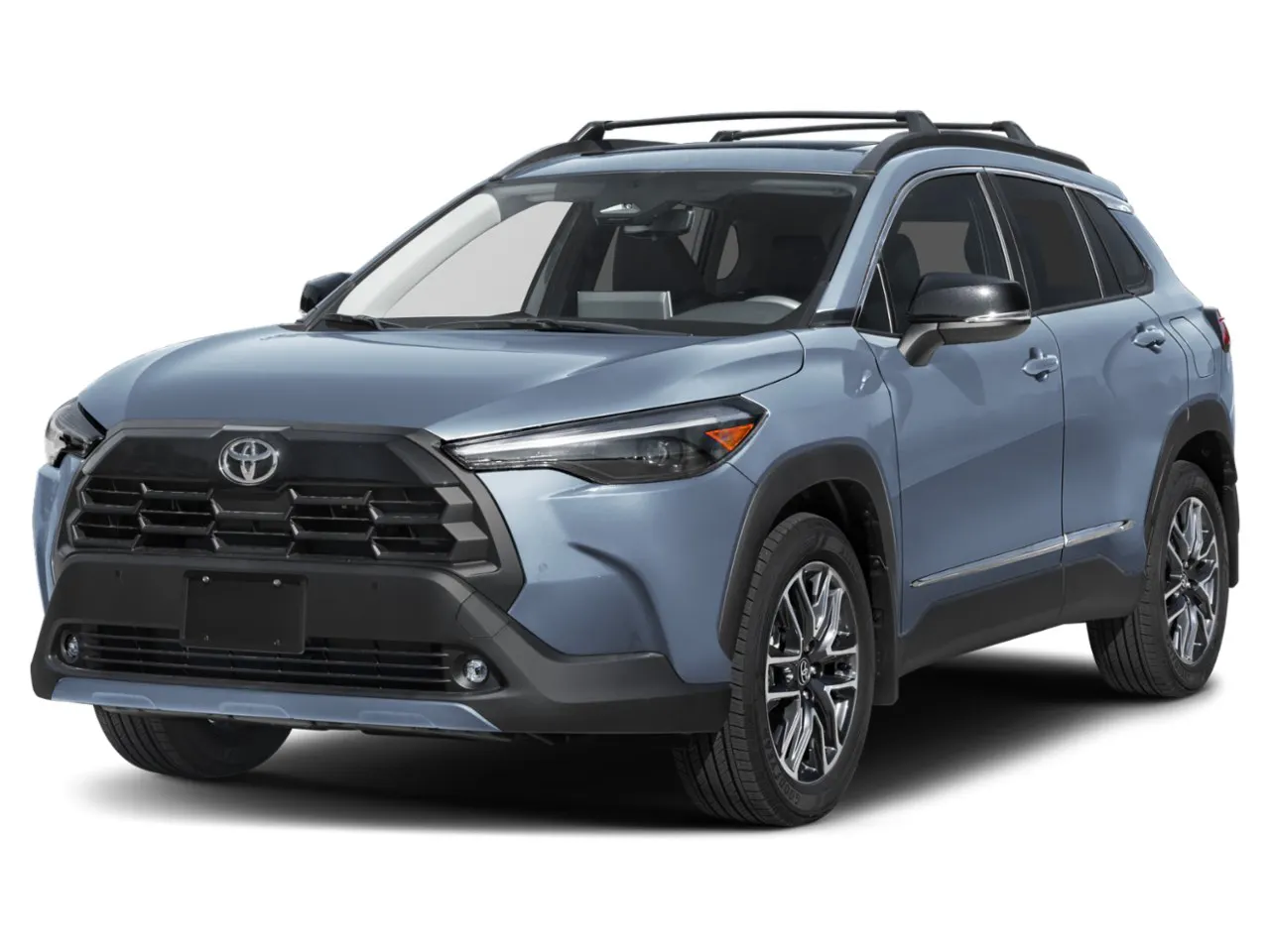
What It Costs to Own a Toyota Corolla Cross Around West Islip
A car’s price tag is only the first bill. Once a Corolla Cross is parked in your West Islip driveway, you’re also paying for gas, insurance, tires, oil changes and the slow slide in what the car is worth. At Atlantic Toyota, we’d rather you see those costs coming than be surprised by them. Here’s how each one works, starting from the basics, so you can build a realistic budget before you buy.
Start With the Idea of Total Cost

Total cost of ownership is a simple idea with a fancy name. It covers everything you spend to have a car, from the day you sign to the day you sell or trade it. You can break it down per month, per year or per mile.
Most shoppers focus on the monthly payment because it’s the number people say out loud. That payment is real, but it’s only one line in your budget. A lower payment stretched over more months can end up costing you more overall.
These are the buckets worth tracking:
- Purchase and financing: the price, taxes and fees, plus interest if you borrow
- Fuel: what goes in the tank each week
- Insurance: your premium, which depends on you as much as on the car
- Maintenance and repairs: oil changes, filters, brakes and tires
- Registration and inspection: the state’s recurring paperwork
- Depreciation: the value the car loses while you own it
None of these is mysterious once you know what drives it, and several are more in your control than you’d expect. Keep them in mind as you browse our new Toyota inventory and compare trims side by side.
Buying It: Trims, Price and Financing
Toyota builds the 2027 Corolla Cross in three main trim levels: L, LE and XLE. A trim level is a step up the ladder. You get the same basic vehicle with more equipment as you climb. All three share a 2.0-liter four-cylinder engine making 169 horsepower, so moving up buys you features and comfort rather than extra speed.
Your starting point for price is MSRP, the manufacturer’s suggested retail price. What you actually pay adds sales tax, registration and dealer fees, minus any incentives Toyota happens to be running. Those incentives change from month to month, so check current offers before you settle on a trim.
If you borrow, two terms matter most. APR, or annual percentage rate, is the yearly cost of borrowing. The loan term is how many months you take to pay it back. A lower APR and a shorter term usually mean less interest overall, though your rate and approval depend on your credit and the lender. You can explore your financing options ahead of time so the numbers aren’t new to you at the desk.
Fuel: Where the Corolla Cross Earns Its Keep

Fuel economy comes as three mpg numbers: city, highway and combined. Combined mpg is the one to budget with because it blends stop-and-go driving with steady cruising.
2WD versus 4WD
Two-wheel-drive Corolla Cross models are rated at 31 mpg combined, and the 4WD versions come in at 30. That gap barely registers on a single tank, but it adds up over years of commuting.
The 4WD models also give up some cargo space. They offer 21.5 cubic feet, while the 2WD versions offer 24. If you haul strollers, sports gear or Costco runs, that difference is worth checking with your own stuff in the back.
Matching it to how you drive
Think about your actual week. A Sunrise Highway commute and errands along Montauk Highway are exactly the kind of driving where this engine stays efficient. Early mornings on unplowed side streets, or winter trips over the Robert Moses Causeway, are where 4WD’s extra grip might justify the small tradeoff.
Gas prices on Long Island move around a lot. To estimate your yearly fuel cost, divide your annual miles by the combined rating, then multiply by what you’re paying per gallon.
Maintenance, Tires and Long Island Winters
Routine maintenance is the predictable part of owning a car. Think oil and filter changes, tire rotations, brake inspections and fluid top-offs. Your owner’s manual spells out the maintenance schedule, which is the service due at set mileage or time intervals, and following it is the cheapest way to avoid big surprises.
Our service department works on Toyotas using OEM Toyota parts. OEM stands for original equipment manufacturer, meaning the parts come from Toyota rather than an aftermarket supplier. When something’s due, you can book service online at a time that fits your schedule.
A few local costs are worth planning for:
- Tires: set aside money for a replacement set down the road, and consider winter tires if you drive a lot in snow
- Salt: road salt on the Southern State and local streets attacks the underbody, so winter car washes are cheap protection
- Sand: after summer days at the beach, rinse out the wheel wells and shake out the floor mats
- Wipers and battery: cold snaps are hard on both
None of these is a big bill on its own. Putting them off is what turns small costs into large ones.
Insurance, Paperwork and Resale Value
Insurance and registration
Your insurance premium depends on your age, driving record, ZIP code and coverage choices, as well as on the car itself. Get quotes on the specific trim you’re considering before you buy, since equipment differences can shift the price. New York also has registration renewals and an annual safety and emissions inspection. They’re small costs, but they recur.
Depreciation and trade-in
Depreciation is the value a car loses as it ages and adds miles. It’s often the largest cost of ownership, even though you never write a check for it. You feel it when you sell or trade in.
You have more say over it than you might think. Keeping service records, fixing small dings and staying on top of maintenance all help a car hold its value.
When you’re ready for your next vehicle, Atlantic Toyota offers vehicle appraisals, and you can value your trade online first to get a starting point. We also offer our own Atlantic Edge customer-benefit program, so ask us about it while you’re shopping.
West Islip, NY
- Budget for the total cost of ownership, not just the monthly payment, because fuel, insurance, upkeep and depreciation add up.
- 2WD versions use slightly less fuel and carry more cargo, while 4WD adds grip for Long Island winters.
- Staying on the maintenance schedule and keeping records protects both your repair budget and your resale value.
Common questions
Does the 4WD Corolla Cross cost much more to run than the 2WD?
Does a higher trim cost more to own beyond the purchase price?
Can I get approved for financing before I visit?
Where should I take my Corolla Cross for maintenance?