 EN
 ES


Dealership blog
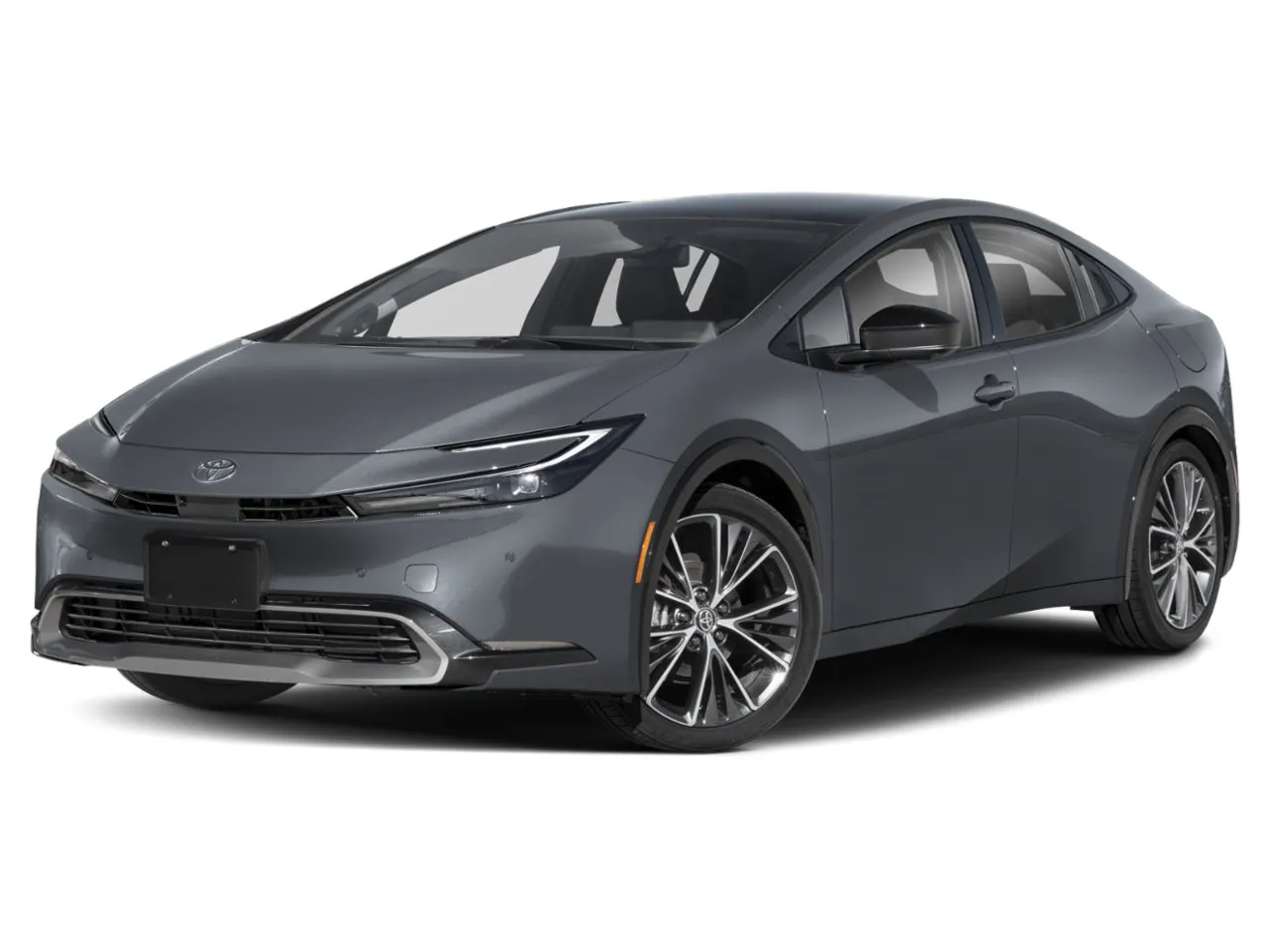
Getting Your Toyota Prius Ready for a South Shore Winter
Winter on Long Island’s South Shore brings salt spray off the bays, slushy mornings on Sunrise Highway, and the occasional nor’easter that buries the side streets. A Toyota Prius handles all of that well, but a hybrid has a few cold-weather habits that catch new owners off guard. At Atlantic Toyota in West Islip, we’d rather you know what to expect before the first freeze, so here’s how to get your Prius ready, starting from the basics.
How Cold Weather Changes a Hybrid

A hybrid pairs a gas engine with an electric motor and a battery pack, and the car decides moment to moment which one does the work. In mild weather, your Prius spends plenty of time on electric power alone, especially at low speeds along Montauk Highway or in a parking lot.
Cold shifts that balance. Batteries release energy more slowly when they’re chilled, and the gas engine has to run more often to warm itself up and to send heat into the cabin. That’s why many owners see their fuel economy slip from December through March, even though nothing is wrong with the car.
There’s a second habit worth knowing about: regenerative braking, which is how the car turns slowing down into stored electricity. On a cold battery, the system may capture a bit less of that energy until it warms up.
None of this needs fixing. What it does mean is that small winter jobs carry more weight on a hybrid, because the car leans on its electrical system just to start and run.
Your Prius Has Two Batteries
The 12-volt battery
Most beginners don’t realize a Prius carries two batteries. The small 12-volt auxiliary battery runs the car’s electronics and wakes up the computers that start the hybrid system. When it’s weak, the car may not power on at all, and frosty mornings are exactly when a tired one gives out.
If yours is a few years old, or the car has seemed slow to come to life, have it load-tested before temperatures drop for good. Long stretches of sitting, like a holiday trip, drain it faster.
The hybrid battery
The large hybrid battery powers the electric motor and recharges as you drive, so you never plug it in. It stays cool by drawing in cabin air through a vent, so keep that area free of shopping bags, blankets and winter coats.
Our technicians can look at both batteries when you book service with us. Atlantic Toyota offers Toyota service using OEM Toyota parts, meaning the replacements are the same ones Toyota designed for your car.
Tires and Traction on Long Island Roads
Tires do more for winter safety than anything else on the car. All-season tires come on most cars from the factory and work fine on cold, wet pavement. Winter tires use softer rubber and deeper grooves that grip better on snow and ice, and many South Shore drivers who commute early or head up-island swap to a set from December to March.
Check your tread depth, the height of the grooves that channel away slush. Slip a penny into a groove with Lincoln’s head pointing down; if you can see the top of his head, it’s time for new tires.
Cold air also shrinks, so pressure drops as the weather turns. A rough rule is about one psi lost for every 10 degrees of temperature drop. Check pressure monthly, using the number on the sticker inside the driver’s door.
If you’re shopping, the 2027 Prius comes in front-wheel-drive and all-wheel-drive versions of these trims:
- LE
- XLE
- Nightshade
- Limited
All-wheel drive sends power to both axles, which helps when you’re pulling away from a slushy curb. Keep in mind that it helps you get moving, not stop. You can compare both versions in our new Toyota inventory.
Salt, Sand and Shore Air
Living near the water has its perks, but it’s hard on metal. Towns along the South Shore get a double dose: brine and rock salt on the roads, plus damp salt air drifting in from the Great South Bay. Together they speed up rust on the undercarriage, the underside of the car where brake lines, suspension parts and the exhaust live.
A few habits go a long way:
- Wash the car every week or two after storms, and choose a wash with an underbody spray.
- Apply a coat of wax or sealant in the fall so salt has a harder time sticking to the paint.
- Use deep rubber floor mats to catch melting snow before it soaks into the carpet.
- Wipe the rubber door seals so doors don’t freeze shut overnight.
Inside, road grime and wet boots take a toll on seats over a long winter. Atlantic Edge also includes interior fabric and exterior paint protection and 24-hour roadside assistance, which is worth asking about if you’re buying and want help keeping the cabin and finish looking good.
Your Before-the-First-Storm Checklist
Quick jobs to finish in November
- Test the 12-volt battery.
- Check tire pressure and tread, or schedule a swap to winter tires.
- Replace streaky wiper blades and fill up with winter washer fluid that won’t freeze.
- Confirm every headlight, taillight and turn signal works.
- Pack a small kit: ice scraper, brush, gloves, phone charger, flashlight and a blanket.
Habits that help all winter
Brush snow off the roof, lights and the whole front of the car, since many driver-assist sensors sit behind the grille and windshield. Snow left on the roof can slide onto the windshield at the first stop on the Southern State.
Skip long idling to warm up. Your Prius warms faster with gentle driving after a minute or so, and the engine will run on its own when it needs heat. Keep the tank at least a quarter full too, in case you’re stuck in storm traffic.
If this winter has you rethinking your current car, Atlantic Toyota offers vehicle appraisals and service assistance. You can start by checking how to value your trade before you visit.
West Islip, NY
- Have the small 12-volt battery tested before the first hard freeze, because it’s what wakes up the hybrid system.
- Tires matter more than drivetrain, though the all-wheel-drive Prius trims add real help pulling away on slush.
- Rinse the underside often from December to March, since salt and shore air together are tough on any car.
Common questions
Do I need to warm up my Prius before driving in the cold?
Will a cold winter damage my Prius’s hybrid battery?
Is the all-wheel-drive Prius worth it on Long Island?
How often should I wash my car in winter near the shore?