 EN
 ES


Dealership blog
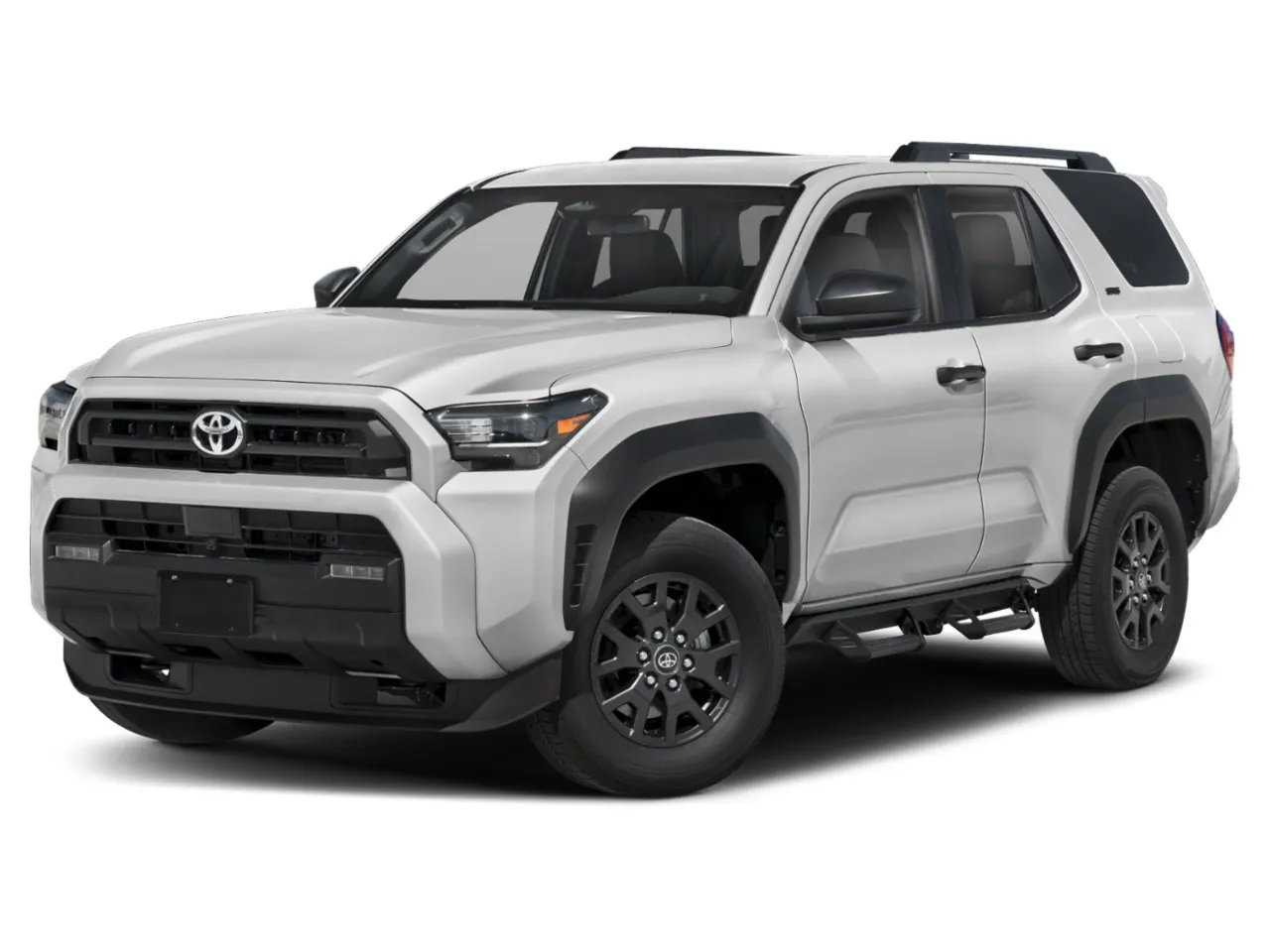
Which 4Runner Trim Makes Sense for West Islip Winters?
Shopping for a 4Runner on the South Shore usually means picturing the winter mornings: slush on Sunrise Highway, a driveway the plow just buried, salt on everything. At Atlantic Toyota in West Islip, the question we hear about the 2026 4Runner is simple: which version actually makes sense once the snow starts? Here’s a plain walk-through of what the trims mean and which ones fit the way you drive.
Start With the Basics: Trims and Drivetrains

A trim is one version of a model, with its own mix of equipment and its own price. The 2026 4Runner comes in a long run of trims, from the SR5 to the Limited i-FORCE MAX, and nearly all of them use the same turbocharged four-cylinder engine with 278 horsepower. That’s good news if you’re new to this, because you’re mostly choosing equipment and how power reaches the wheels, not choosing between engines.
That second choice is called the drivetrain, and it matters most in winter:
- Rear-wheel drive (RWD, also written 2WD): the engine powers only the back wheels.
- Four-wheel drive (4WD): power can go to all four wheels, so one slipping tire isn’t doing all the work.
Most trim names tell you which one you’re getting, with (2WD) or (4WD) in parentheses. Watch for three that don’t. A plain SR5 and a plain Limited are rear-wheel drive, while the Limited i-FORCE MAX comes only with four-wheel drive. Seating stays the same across the lineup, with room for five.
What a West Islip Winter Actually Asks For
Winters here are less about deep powder and more about mess. A nor’easter can drop heavy, wet snow, then rain, then a hard overnight freeze, so a Monday commute on Sunrise Highway or the Southern State Parkway might mean slush in the lanes and ice on the overpasses. Side streets off Montauk Highway often get plowed last, and the end of your driveway can turn into a frozen ridge after the town plow goes by.
Here’s where four-wheel drive earns its keep: getting moving from a stop, climbing out of an unplowed street, and pushing through packed snow at the curb. It helps far less with stopping and steering on ice. Those depend on your tires and your speed, which is why a good set of winter tires often does more for safety than the drivetrain itself.
Salt is the other South Shore reality. Road crews use plenty of it, and it clings to the underside of any vehicle all season. Before the first storm, it’s worth taking a minute to book a winter service check so tires, battery, wipers and brakes are ready, and a regular underbody rinse through the season goes a long way.
The Four-Wheel-Drive Trims, From Basic to Loaded

Prices start with the MSRP, the manufacturer’s suggested retail price, before taxes, fees and options. Among 4WD 4Runners, the SR5 (4WD) is the entry point at $43,870, and the Limited (4WD) sits near the top at $58,500. Between those two, you’re paying for equipment and style, since the engine and drivetrain stay put.
The middle of the lineup
TRD stands for Toyota Racing Development, Toyota’s performance brand. Here’s how the 4WD trims fill the gap:
- TRD Sport (4WD): a sportier, street-focused take on the 4Runner.
- TRD Off-Road (4WD): aimed at drivers who head onto trails and sandy access roads.
- TRD Sport Premium (4WD) and TRD Off-Road Premium (4WD): those same two personalities with more upscale equipment.
The top: Limited i-FORCE MAX
This trim steps up to 326 horsepower and is four-wheel drive only, so merging onto a slick highway feels less rushed.
One trade-off is space. Cargo room drops to 42.6 cubic feet, compared with 48.4 in the rest of the lineup, which you’ll notice with ski bags or a holiday haul. You can compare these side by side in our new 4Runner inventory.
Can a Rear-Wheel-Drive 4Runner Handle It?
It can, for the right driver. The SR5 is the least expensive 4Runner at $41,370, and its 4WD twin costs $2,500 more. That gap is the real price of winter traction at the entry level.
Fuel use barely changes. Combined mpg, a blend of city and highway driving, is 22 for the rear-wheel-drive SR5 and 21 for the SR5 (4WD), so you give up very little at the pump for the extra grip.
A rear-wheel-drive 4Runner on winter tires can work if:
- You park in a garage and can wait out storms
- Your hours are flexible or you work from home
- Your driveway and street are flat
Four-wheel drive is the safer call if you work early shifts, look after family across town, have a sloped driveway, or head upstate to ski. Plenty of South Shore households have at least one driver who fits that description. Whichever way you lean, our team can walk you through your financing options for either version.
Making the Call and Keeping It Winter-Ready
Boiled down, here’s a simple way to choose:
- Lowest price with 4WD: SR5 (4WD)
- Sportier look with 4WD: TRD Sport (4WD) or its Premium version
- Trails and beach roads: TRD Off-Road (4WD) or Off-Road Premium
- Most comfort: Limited (4WD)
- Most power, with less cargo room: Limited i-FORCE MAX
Drive at least two of them back to back before deciding. You’ll learn more in fifteen minutes on Montauk Highway than from any brochure.
Ownership matters as much as the purchase in a salty climate. At Atlantic Toyota, Atlantic Edge also includes interior fabric and exterior paint protection and 24-hour roadside assistance, which is handy when wet boots and road salt are part of daily life. Our service team works on Toyotas using OEM Toyota parts, meaning original equipment parts made to Toyota’s own standards.
Got a current vehicle to move on from? We also offer vehicle appraisals and service assistance. Start by taking a minute to value your trade online, then bring it by and we’ll go over the numbers together.
West Islip, NY
- Four-wheel drive is the smart winter choice for most West Islip drivers, starting with the SR5 (4WD).
- Nearly every 4Runner trim shares the same 278-horsepower engine, so you’re mainly choosing drivetrain and equipment.
- Winter tires matter most for stopping and steering on ice, whatever drivetrain you pick.
Common questions
Do I need four-wheel drive for winters in West Islip?
Is the 4WD version much worse on gas?
What’s the difference between the Limited and the Limited i-FORCE MAX?
Are winter tires worth it on a 4WD 4Runner?