 EN
 ES


Dealership blog
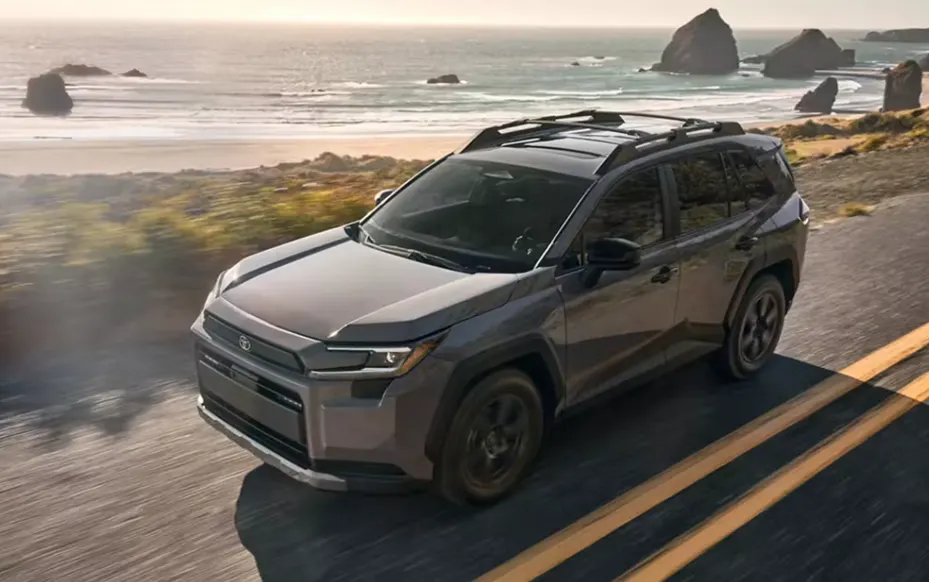
Toyota RAV4 Hybrid vs. Gas RAV4: Which Should You Choose?
The Toyota RAV4 has long been a popular choice for drivers who want a versatile SUV with comfortable seating, practical cargo space, and dependable everyday performance. But if you’re comparing the Toyota RAV4 Hybrid vs. the traditional gas-powered RAV4, you may be wondering which option makes more sense for your driving habits and budget.
For Long Island drivers commuting along the Southern State Parkway, traveling between Nassau and Suffolk counties, or navigating everyday traffic, fuel efficiency can be an important consideration. The RAV4 Hybrid offers meaningful advantages in fuel economy, but understanding the differences between gas and hybrid models can help you make a more informed decision.
There’s also an important update for shoppers: beginning with the 2026 model year, Toyota discontinued the gas-only RAV4 in favor of hybrid and plug-in hybrid powertrains. At Atlantic Toyota, we’re breaking down the differences between the previous gas-powered RAV4 and the hybrid while exploring what today’s RAV4 lineup offers.
RAV4 Hybrid vs. Gas RAV4: Quick Comparison
Here are the key differences between the traditional gas-powered RAV4 and the RAV4 Hybrid:
- Fuel economy: The hybrid delivers better EPA-estimated fuel efficiency than comparable gas-powered models.
- Powertrain: The gas RAV4 uses a conventional gasoline engine, while the hybrid combines a gasoline engine with electric motors.
- Charging: Neither the traditional gas RAV4 nor the standard RAV4 Hybrid requires external charging.
- Driving experience: The hybrid can provide smooth acceleration and efficient operation during stop-and-go driving.
- Purchase considerations: The hybrid historically carried a higher starting price, although fuel savings may help offset the difference over time.
- Current availability: New RAV4 models now feature hybrid or plug-in hybrid powertrains rather than gas-only engines.
What Is the Difference Between the Toyota RAV4 and RAV4 Hybrid?
The biggest difference between the traditional Toyota RAV4 and the RAV4 Hybrid is how they generate power.
Traditional Gas-Powered Toyota RAV4
Previous gas-powered RAV4 models used a conventional gasoline engine to power the vehicle. The 2025 RAV4, for example, featured a 2.5-liter four-cylinder engine paired with an eight-speed automatic transmission.
This configuration offered familiar operation, practical fuel economy, and available all-wheel drive. It also generally had a lower starting MSRP than the equivalent hybrid model.
Toyota RAV4 Hybrid
The RAV4 Hybrid combines a gasoline engine with electric motors and a hybrid battery. The system automatically manages power from the gasoline engine and electric components to improve efficiency.
During certain driving conditions, the hybrid system can use electric power to reduce gasoline consumption. Regenerative braking also helps recharge the hybrid battery by recovering energy during deceleration.
Unlike a plug-in hybrid, the standard RAV4 Hybrid does not need to be connected to an external charging station.
Toyota RAV4 Hybrid vs. Gas RAV4 MPG Comparison
Fuel economy is one of the main reasons shoppers consider a hybrid SUV. For drivers who regularly encounter traffic on Long Island, the difference can be particularly relevant.
To provide a consistent comparison, let’s look at EPA-estimated fuel economy for the 2025 RAV4, the final model year with both gas-only and hybrid options.
2025 Toyota RAV4 Gas AWD LE
City: 27 MPG
Highway: 34 MPG
Combined: 30 MPG
2025 Toyota RAV4 Hybrid AWD
City: 41 MPG
Highway: 38 MPG
Combined: 39 MPG
Based on these EPA estimates, the 2025 RAV4 Hybrid AWD provides approximately 30% better combined fuel economy than the 2025 gas-powered RAV4 AWD LE.
The difference is especially noticeable in city driving, where the hybrid is rated at 41 MPG compared with 27 MPG for the gas model. Actual fuel economy varies based on driving conditions, vehicle configuration, maintenance, and driving habits.
How Much Could You Save on Gas With a RAV4 Hybrid?
The amount you could save depends on how many miles you drive, local gasoline prices, and the fuel efficiency of your specific vehicle.
For example, consider a driver who travels 12,000 miles annually and pays an average of $3.50 per gallon of gasoline.
Illustrative Annual Fuel Cost Comparison
2025 RAV4 Gas AWD LE: Approximately 400 gallons annually, or $1,400.
2025 RAV4 Hybrid AWD: Approximately 308 gallons annually, or $1,077.
Estimated annual fuel savings: Approximately $323.
This example illustrates potential fuel savings using EPA combined MPG ratings. Actual costs and savings will vary. Shoppers should also consider purchase price, financing, insurance, and expected ownership duration when comparing vehicles.
Is the Toyota RAV4 Hybrid Better for Long Island Driving?
For many Long Island drivers, the RAV4 Hybrid offers advantages that align with everyday travel conditions.
Stop-and-Go Commuting
Traffic along major routes such as the Southern State Parkway, Northern State Parkway, and Long Island Expressway can involve frequent slowing and accelerating. Hybrid systems are particularly useful in these conditions because they can recover energy during braking and reduce gasoline engine operation at certain speeds.
Daily Errands and Short Trips
Drivers who frequently travel between home, work, schools, and shopping destinations may appreciate the hybrid’s fuel efficiency. The RAV4 also offers the elevated seating position and flexible cargo area that make compact SUVs practical for everyday use.
Highway Travel
The RAV4 Hybrid remains a practical option for longer trips across Long Island and beyond. While the fuel economy advantage is generally more pronounced in city driving, hybrid models can also deliver competitive highway efficiency.
Winter Weather and Available All-Wheel Drive
For drivers concerned about rain, snow, and slippery roads, available Electronic On-Demand All-Wheel Drive can provide additional traction in certain conditions. However, all-wheel drive does not replace appropriate tires or careful driving, particularly during winter weather.
Does the RAV4 Hybrid Need to Be Plugged In?
No. The standard Toyota RAV4 Hybrid is a self-charging hybrid vehicle, meaning its battery is replenished through the gasoline engine and regenerative braking rather than an external charging cable.
Drivers can operate the RAV4 Hybrid much like a conventional gasoline vehicle. Simply refuel at a gas station when needed.
The Toyota RAV4 Plug-in Hybrid is different. It features a larger battery that can be charged externally, allowing drivers to complete certain trips using electric power before relying on the gasoline engine and hybrid system.
What Changed With the 2026 Toyota RAV4?
Toyota made a significant change to the RAV4 lineup for 2026. Instead of offering separate gas-only and hybrid models, the sixth-generation RAV4 became available exclusively with hybrid and plug-in hybrid powertrains.
This means shoppers looking for a new RAV4 can focus on choosing between two electrified options rather than deciding whether to upgrade from a conventional gasoline engine.
Toyota RAV4 Hybrid
The standard hybrid combines a gasoline engine and electric motors to improve fuel efficiency. It does not require external charging, making it a convenient option for drivers who want hybrid benefits without changing their refueling routine.
Explore the Toyota RAV4 model research page to learn more about available features and configurations.
Toyota RAV4 Plug-in Hybrid
The plug-in hybrid offers a larger battery and the ability to drive on electric power for a limited distance when charged. It may be particularly appealing to drivers who have convenient access to home charging and want to reduce gasoline use during shorter trips.
Visit our RAV4 Plug-in Hybrid research page to explore this alternative.
RAV4 Hybrid vs. RAV4 Plug-in Hybrid: Which Is Better?
With the gas-only RAV4 discontinued, the decision for new vehicle shoppers now centers on the standard hybrid and plug-in hybrid.
Choose the RAV4 Hybrid If You:
- Want improved fuel efficiency without plugging in.
- Regularly commute through Long Island traffic.
- Prefer a straightforward gasoline refueling routine.
- Want a versatile compact SUV for commuting and family transportation.
Choose the RAV4 Plug-in Hybrid If You:
- Have convenient access to home or workplace charging.
- Want the option to complete shorter trips using electric power.
- Prefer the additional performance offered by the plug-in hybrid system.
- Are comfortable evaluating charging needs and potentially higher upfront costs.
You can compare available options by browsing our Toyota RAV4 and RAV4 Hybrid inventory or exploring our RAV4 Plug-in Hybrid selection.
Is the Toyota RAV4 Hybrid Worth It?
For many drivers, the Toyota RAV4 Hybrid offers a compelling combination of fuel efficiency, everyday practicality, and SUV versatility.
Compared with previous gas-powered models, the hybrid can substantially reduce fuel consumption, particularly during city driving. It also provides the convenience of a conventional gasoline refueling routine without requiring external charging.
However, the best choice depends on your individual circumstances. Drivers comparing a used gas-powered RAV4 with a newer hybrid should consider vehicle condition, mileage, purchase price, financing costs, and expected annual driving distance.
For shoppers considering a new RAV4, the standard hybrid offers an efficient starting point, while the plug-in hybrid provides an alternative for those interested in electric driving capability.
Frequently Asked Questions About the Toyota RAV4 Hybrid
Is the RAV4 Hybrid better than the gas RAV4?
The RAV4 Hybrid offers better fuel economy than comparable previous gas-powered RAV4 models. However, the best choice depends on purchase price, driving habits, and individual preferences. Toyota discontinued the gas-only RAV4 beginning with the 2026 model year.
What is the MPG difference between the RAV4 and RAV4 Hybrid?
For 2025, the RAV4 AWD LE was EPA-rated at 30 MPG combined, while the RAV4 Hybrid AWD achieved 39 MPG combined. Ratings vary by model year and configuration.
Does the Toyota RAV4 Hybrid need to be plugged in?
No. The standard RAV4 Hybrid recharges its battery through regenerative braking and the gasoline engine. The RAV4 Plug-in Hybrid can be charged using an external power source.
Does Toyota still make a gas-only RAV4?
No. Toyota discontinued the gas-only RAV4 for the 2026 model year. New RAV4 models are available with hybrid or plug-in hybrid powertrains.
Is the RAV4 Hybrid good for Long Island commuting?
Yes. The RAV4 Hybrid can be a practical choice for Long Island commuters because its hybrid system is particularly efficient during stop-and-go driving. Its cargo space and SUV design also make it useful for everyday transportation.
What is the difference between the RAV4 Hybrid and Plug-in Hybrid?
The standard RAV4 Hybrid uses a gasoline engine and electric motors without requiring external charging. The RAV4 Plug-in Hybrid has a larger battery that can be charged externally and supports electric-only driving for a limited distance.
Where can I shop for a Toyota RAV4 Hybrid on Long Island?
Atlantic Toyota in West Islip, NY, serves Long Island drivers shopping for new Toyota vehicles, including the RAV4 Hybrid and RAV4 Plug-in Hybrid. Available inventory and configurations may vary.
Explore the Toyota RAV4 at Atlantic Toyota on Long Island
Whether you’re comparing the traditional gas-powered RAV4 with a hybrid or exploring Toyota’s latest electrified SUV lineup, Atlantic Toyota can help you find a vehicle that fits your driving needs.
Our team serves shoppers throughout West Islip and surrounding Long Island communities. Learn more about why drivers choose Atlantic Toyota, browse available RAV4 models, or contact us for assistance comparing trims, features, and powertrain options.