 EN
 ES


Dealership blog
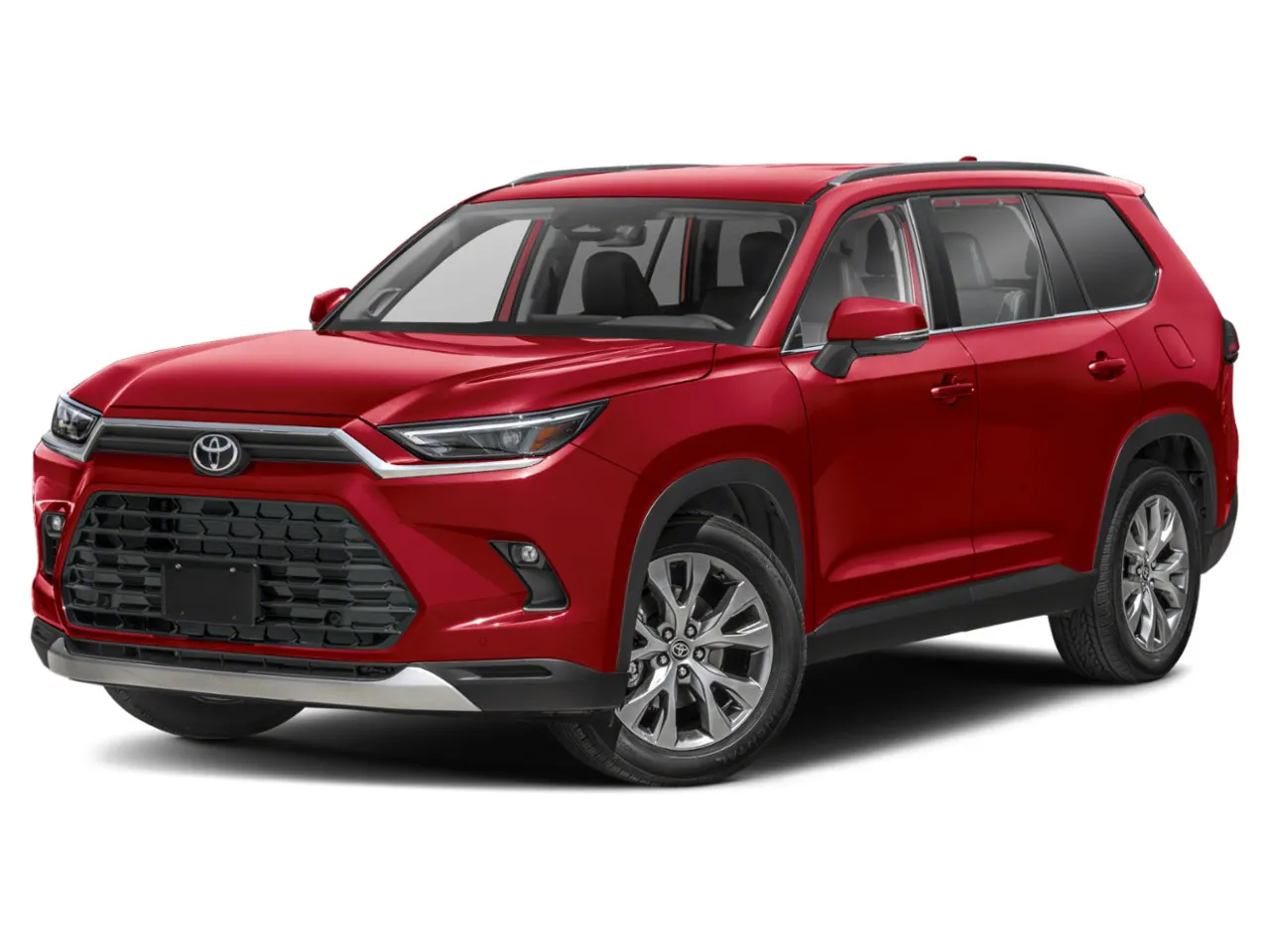
Is the Toyota Grand Highlander the Right Three-Row for a West Islip Family?
If your family is outgrowing a two-row SUV, the Toyota Grand Highlander is probably on your short list. We’re Atlantic Toyota in West Islip, and we’ll start with the basic terms, then work through the engine, drivetrains and trims so you can walk in knowing what to ask.
Three-Row Basics and Where the Grand Highlander Fits
A three-row SUV is a sport utility vehicle with a third set of seats behind the usual two rows. That extra row lets you bring your own kids plus a couple of their friends, or fit grandparents and grandkids in one car instead of two.
Toyota’s Grand Highlander is the bigger sibling of the regular Highlander. It’s aimed at families who found the smaller one a bit snug. Around West Islip, that usually means school drop-offs, practice carpools and summer trips to the beach, often with more gear than people.
Two words you’ll hear a lot
A trim is a version of the same model with its own package of equipment. For 2027, the Grand Highlander comes in four: LE, XLE, Limited and Platinum. They climb roughly from straightforward to fully loaded.
Drivetrain is the other term. It describes which wheels the engine turns, either the front two or all four.
Once those two ideas click, the rest of the shopping gets much easier. You can browse our new Toyota inventory to see how the trims line up before you ever set foot on the lot.
What’s Under the Hood, in Plain English
Here’s good news if you’re new to three-row shopping: you don’t have to pick an engine. Every 2027 Grand Highlander uses a 2.4-liter four-cylinder making 265 horsepower. Liters measure the engine’s size, cylinders are the chambers where fuel burns, and horsepower is a rough gauge of how much muscle the engine has.
What that means for you is simple. An LE merges onto the Southern State with the same engine as a Platinum. Moving up in trim buys comfort and features, not extra power.
Reading the mpg sticker
Miles per gallon, or mpg, shows up as three numbers: city, highway and combined. City reflects stop-and-go driving like Montauk Highway at rush hour. Highway reflects steady cruising, and combined blends the two into the best single estimate for most people.
With front-wheel drive, any trim offered that way is rated 21 city and 28 highway. Combined, that works out to 24 mpg.
All-wheel-drive LE and XLE models dip slightly to 23 combined, while the all-wheel-drive Limited and Platinum come in at 22. For a family splitting time between local errands and Sunrise Highway, those gaps are small. They do add up over years of ownership, though.
Front-Wheel Drive or All-Wheel Drive?

Front-wheel drive (FWD) means the engine powers only the front wheels. All-wheel drive (AWD) sends power to all four wheels when it’s needed, which helps the SUV get moving and stay steady on slick pavement.
On Long Island, both choices make sense for different reasons. Our winters bring slushy side streets, the occasional nor’easter and icy mornings near the water, and AWD gives you extra confidence pulling away from a snowy curb. Front-wheel drive is a bit easier on fuel and still handles most South Shore weather well, especially on good tires.
What AWD doesn’t do
AWD helps you go, but it doesn’t help you stop or steer on ice. Tires handle most of that work. That’s why many FWD owners here switch to dedicated winter tires for the coldest months.
You can get the LE, XLE and Limited either way. Platinum, the top trim, comes only with all-wheel drive. If you choose front-wheel drive and want help picking winter tires or getting them mounted, you can book service with our team before the first storm.
Picking Between LE, XLE, Limited and Platinum

The engine and cargo area don’t change from trim to trim, so your decision really comes down to features and budget. Think of the LE as the foundation. Moving up through XLE and Limited to Platinum adds more comfort, convenience and finish, and the price climbs with it.
The smartest way to choose is to start with your family’s actual week, not the brochure. Ask yourself a few honest questions:
- Who rides in the back most often, and for how long?
- Is your driving mostly short local trips or longer highway stretches?
- Which features would you use every single day, and which just sound nice?
- How long do you plan to keep it? A feature you’ll use for years is worth more than one that only feels exciting for a month.
Comparing in person
Things like seat materials and dashboard tech are much easier to judge from the driver’s seat than from a screen. A five-minute sit can settle a debate that’s gone on for weeks at home. If you’d like two trims parked side by side, just let our team know and we’ll have them ready when you arrive.
Test-Drive It Like You’ll Live With It
Bring your real life along
A quick loop around the block won’t tell you much about a family vehicle. Bring the car seats, the stroller and the hockey bag, and see how everything fits. Toyota rates the cargo space at 20.6 cubic feet, and the only way to know what that means for your gear is to load it yourself.
Have the kids climb into the third row on their own and buckle up. Then drive a route you actually use, like your school run or the trip down to the Robert Moses Causeway.
Making the numbers work
If you have a vehicle to replace, Atlantic Toyota offers vehicle appraisals, so you can value your trade before you talk payments. We can also walk you through financing options. Approval and terms depend on your credit and the lender.
Ask about Atlantic Edge, our own customer-benefit program. It includes interior fabric and exterior paint protection and 24-hour roadside assistance. That protection tends to earn its keep once juice boxes ride in the second row and beach sand ends up in the carpet.
West Islip, NY
- The engine and cargo space are the same across trims, so a higher trim buys features, not power.
- Front-wheel drive saves a little fuel, all-wheel drive adds winter confidence, and Platinum comes only with AWD.
- Test-drive it with your own car seats, gear and kids, and get your trade appraised before you talk payments.
Common questions
Should I bring my kids to the test drive?
Will a Grand Highlander fit in my garage or driveway?
What should I bring if I’m trading in my current car?
Can you guarantee I’ll be approved for financing?