 EN
 ES


Dealership blog
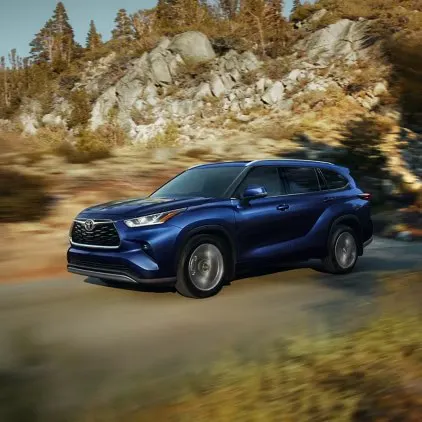
Your October Maintenance Checklist for a Toyota Highlander Before Winter Hits West Islip
It’s a gray October morning in West Islip, and you’re backing the Highlander out of the driveway with a coffee in one hand while the wipers smear last night’s drizzle across the glass. Then the tire light pops on before you even reach Montauk Highway. Small signs like these are your SUV’s way of asking for a little attention before the cold settles in. At Atlantic Toyota, this is the time of year when Highlander owners start coming through our service lane, so here’s the checklist we’d walk you through in person.
Early October: Check Battery Health Now
Cold weather doesn’t usually kill a battery. It exposes one that summer heat already wore down, and that first frosty start in November is when you find out.
Signs yours is getting tired
- Slow, labored cranking when you start the Highlander
- Headlights that dim at idle or when the rear defroster kicks on
- White or bluish crust around the terminals
- A battery that’s been under the hood for several seasons
What we check
A load test shows how much power the battery can really deliver under strain, which a quick voltage reading can miss. We’ll clean the terminals and make sure the hold-down is snug, since constant vibration shortens battery life. Driving a Highlander Hybrid? It still has a conventional 12-volt battery that wakes up the system, and it deserves the same attention as the one in a gas model.
If yours tests weak, swapping it in October beats waiting for a jump in a frozen parking lot at the mall. You choose the day, you skip the tow, and you don’t spend a January morning hoping a neighbor has cables.
Mid-October: Inspect Tire Tread and Pressure
Tires lose pressure as temperatures drop, which is exactly why that warning light loves the first chilly morning of fall. Don’t ignore it, but don’t panic either. It usually just means the air inside contracted overnight.
Pressure
Use the number on the sticker inside the driver’s door jamb, not the maximum printed on the tire sidewall. Check when the tires are cold, before you’ve driven anywhere, and plan to recheck a few times as the season gets colder. Underinflated tires wear unevenly and don’t grip as well on wet pavement.
Tread
Grab a penny and slide it into a groove with Lincoln’s head pointing down. If you can see the top of his head, your tread is getting thin and it’s time to start shopping for replacements. Check a few spots on each tire, since uneven wear can hide on the inside edge.
A few more items worth a look:
- Cracks, bulges, or nails in the sidewall and tread
- Your tire rotation, if it’s coming due
- Pressure in the spare, which almost everyone forgets
Good tread matters most when slush builds up on the Southern State and standing water collects along the shoulders.
Mid-October: Top Off and Test Your Fluids
Fluids are the easiest part of winter prep to overlook, because nothing seems wrong until something is. A few minutes under the hood now saves a lot of hassle later.
- Coolant (antifreeze): It keeps the engine from overheating in summer and protects it from freezing in winter. We test its strength, not just the level, because old coolant can look fine and still fall short.
- Washer fluid: Swap whatever’s in there for a winter-rated blend that won’t freeze in the lines. You’ll go through more of it than you expect once road salt starts spraying off the trucks ahead of you.
- Engine oil: If an oil change is coming due on your maintenance schedule, take care of it now so you’re not squeezing it in during a snowy week.
- Brake fluid: It absorbs moisture over time, which can affect braking feel. A quick test tells us whether it needs to be replaced.
While we’re in there, we’ll look for leaks or damp spots underneath. A small drip in October can turn into a bigger problem by February, and catching it early is almost always the cheaper route.
Late October: Replace Your Wiper Blades
Summer sun bakes wiper rubber, and by fall most blades are cracked, stiff, or streaking even if they look okay at a glance. Run them on a dry, sunny day and you’ll see what we mean.
When it’s time
- Streaks or a hazy film left behind on the windshield
- Chattering or skipping across the glass
- Torn or curled rubber edges
- Blades that have been on since last winter
Replace the front pair together so they wipe evenly, and don’t forget the rear wiper. On an SUV like the Highlander, that back window picks up road spray fast, and a worn rear blade leaves you guessing about what’s behind you on a wet merge. You can stop by our parts department for the right size, or we’ll install them during a service visit.
A winter habit worth keeping
Never use your wipers to break up ice. It tears the rubber and can strain the wiper motor. Clear the glass with a scraper and the defroster first, then let the blades do the light work. If a storm is in the forecast, pulling the wipers away from the windshield overnight keeps them from freezing to the glass.
Before November: Heat, Lights, and a Small Winter Kit
Once the basics are handled, spend a few minutes on the things you only notice when the weather turns ugly. Heat, visibility, and a little preparation go a long way on a dark December commute.
Inside and out
- Run the heater and front and rear defrosters to make sure they clear the glass quickly
- Have the cabin air filter checked, since a clogged one weakens airflow and can fog the windows
- Walk around the SUV with the lights on, including brake lights and turn signals
- Look at the headlight lenses, because cloudy plastic dims your view on unlit back roads
- Pay attention to brake noise or a soft pedal and mention it at your visit
Keep this in the cargo area
- Ice scraper and snow brush
- Warm blanket, gloves, and a hat
- Phone charger and a small flashlight
- A compact shovel and a bag of sand or kitty litter for traction
If you’re an Atlantic Edge member, your benefits include 24-hour roadside assistance, so save that number in your phone and tuck a copy in the glove box. It’s a lot easier to find on a calm afternoon than on the side of the road during a nor’easter.
What to Do Next: Schedule a Pre-Winter Multi-Point Check
You can handle a fair amount of this list at home, but a pre-winter inspection ties it all together. A trained technician can spot belts, hoses, suspension parts, and underbody issues that are hard to see from the driveway.
Our service department gets busy with Highlander owners getting ready for winter, so book early in October if you can. When you schedule your service appointment, mention anything you’ve noticed, even if it seems minor, like a new squeak or a warning light that came and went.
Protecting the finish
Road salt on Long Island is tough on paint and the underside of any vehicle. Wash the SUV regularly through the winter, including the underbody, especially after a storm. Atlantic Edge also includes interior fabric and exterior paint protection, which is worth knowing about once salty slush and wet boots become part of daily life.
If the inspection turns up repairs and you’re unsure about the next step, just ask. We offer vehicle appraisals and service assistance, and we’re happy to talk through your options plainly so you can decide what makes sense for you.
West Islip, NY
- Test the battery now, since summer heat does the damage and the first cold start reveals it.
- Check tire pressure on cold mornings and look at tread before the first nor’easter, not after.
- Book your pre-winter inspection early in October, before the seasonal rush fills the schedule.
|
FAQ
Common questionsWhen should I start getting my Highlander ready for winter?Early to mid-October is ideal on the South Shore. The weather is still mild, appointments are easier to get, and you have time to replace parts before the first real cold snap rather than after something fails.
Do I need dedicated winter tires in West Islip?Many local drivers get by on good all-season tires with healthy tread, since a lot of our winter weather is cold rain and slush rather than deep snow. If you drive early in the morning, head out regardless of conditions, or travel upstate often, winter tires are worth considering. We can look at your tread and driving habits and talk it through with you.
My tire pressure light came on the first cold morning. Is something wrong?Usually it just means the air in your tires contracted as the temperature dropped. Check the pressure while the tires are cold and fill them to the number on the driver’s door jamb sticker. If the light keeps coming back or one tire keeps losing air, bring it in so we can check for a slow leak.
Does a Highlander Hybrid need different winter prep?Most of the checklist is the same: tires, wipers, fluids, lights, and heat. Hybrids still use a conventional 12-volt battery to start the system, so have it tested just like you would in a gas model. Our technicians can handle any hybrid-specific checks during your multi-point inspection.
|
|
Let us take care of it
Book online in a minute and pick a time that works for you.
Or call (631) 203-9811 · 207 Sunrise Hwy North Service Rd, West Islip
|