 EN
 ES


Dealership blog
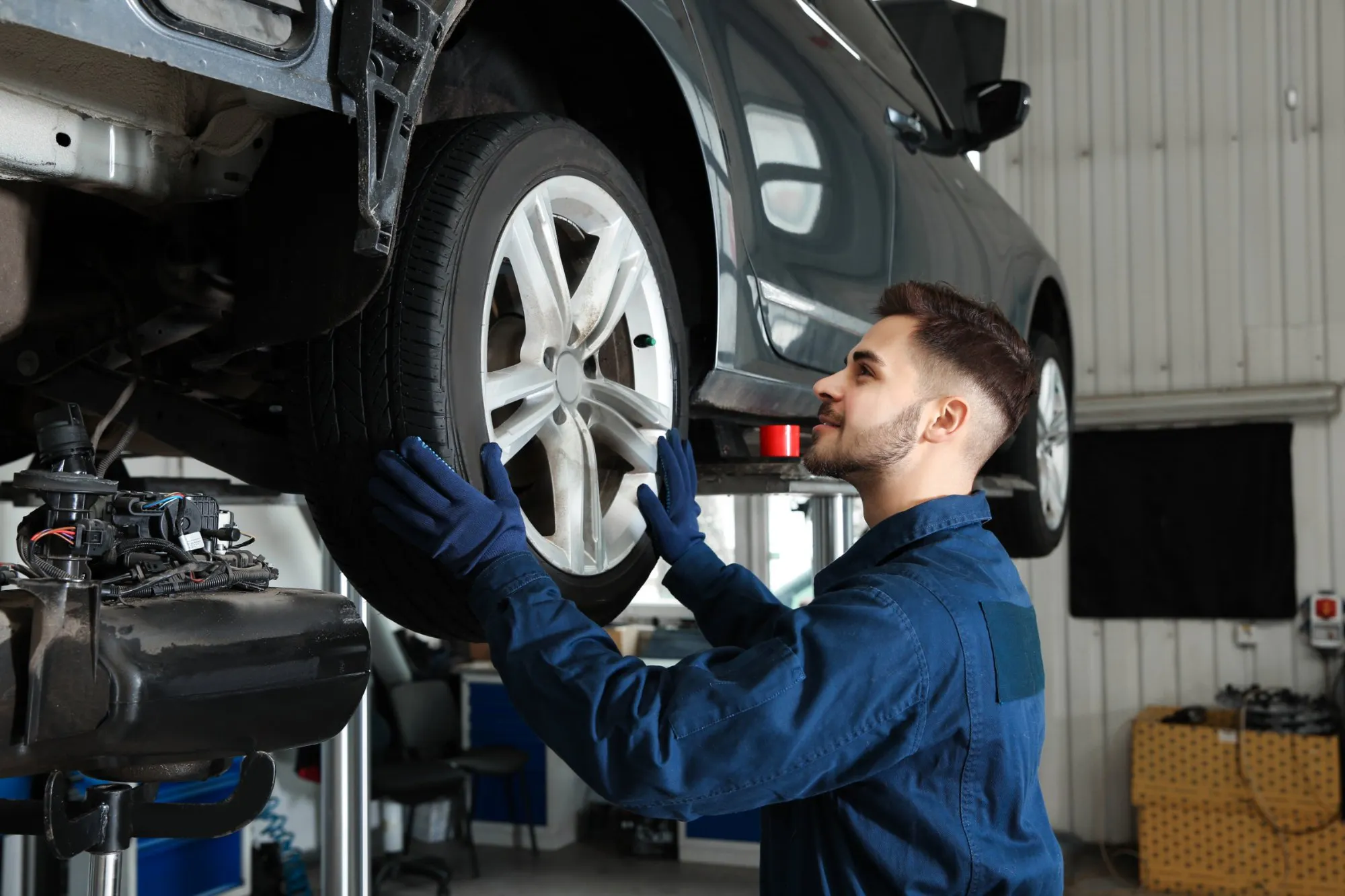
Why Your Tire Pressure Light Comes On When It Gets Cold
Every fall, drivers across West Islip start seeing that little yellow tire icon light up on cold mornings, and most assume the worst. Atlantic Toyota gets this question constantly, so let’s clear up what’s actually going on and what you should (and shouldn’t) do about it.
Myth: The Light Means Your Tire Is Damaged
This is the mistake almost everyone makes first – seeing that light and assuming a nail, a slow leak, or a crack somewhere. In reality, air pressure is directly tied to temperature. As the air inside your tires cools, it contracts and takes up less space, which lowers the pressure reading even though nothing physical changed with the tire itself.
A good rule of thumb is that pressure drops roughly one to two pounds for every ten-degree swing in temperature. So a cold snap overnight can easily be enough to trigger the warning by morning. Before you assume the worst, check the tire visually for anything obvious, then check the actual pressure with a gauge.
Myth: It’s Just a Sensor Glitch
Once people rule out a puncture, the next thing they blame is the sensor. It feels easier to believe the system is wrong than to believe your tires actually need air.
But TPMS sensors are built to be reliable, and that drop they’re flagging is usually real. Ignoring the light because you assume it’s a false alarm can leave you driving on tires that are genuinely underinflated. That affects handling, wears down tread unevenly, and can quietly shorten the life of a set of tires you’d rather not replace early. Trust the light, then confirm with a gauge – don’t dismiss it outright.
Myth: Airing Up Once Solves It For the Season
People often fill their tires the first cold morning the light appears and figure they’re set until spring. Temperature doesn’t stay put, though, and neither does your tire pressure.
Why it keeps happening
As daily highs and lows swing through the season, pressure will keep drifting up and down right along with them.
What actually helps
- Check pressure monthly through the colder months, not just when the light comes on
- Check first thing in the morning, before driving, since tires warm up and pressure rises once you’re on the road
- Use the number on the driver’s door jamb sticker, not the one printed on the tire itself
A little routine checking beats a one-time fix every time.
Myth: You Can Just Wait It Out
Some drivers figure the light will turn off on its own once the weather warms up for the day, so why bother doing anything? Sometimes it does clear temporarily, but that doesn’t mean the underlying pressure issue is solved.
Driving on underinflated tires for even a short stretch adds unnecessary wear to the sidewalls and can affect braking and cornering more than most people expect. It also makes it harder to notice if there’s a genuine slow leak hiding behind what looks like a normal seasonal dip. If the light keeps coming back after you’ve topped off the air, that’s your cue to get it looked at rather than shrugged off again.
Myth: Getting It Checked Costs Time and Money You Don’t Have
This is usually the last excuse people reach for, and it’s the easiest one to clear up. Checking and adjusting tire pressure takes just a few minutes, and it’s something Atlantic Toyota can handle as part of routine service assistance without turning into a big ordeal.
If you’re due for other maintenance anyway, a multi-point fluid and visual inspection is part of the complimentary Atlantic Edge maintenance included with qualifying purchases, and tire pressure gets checked as part of that visit. Toyota service technicians use OEM Toyota parts if anything beyond air actually needs attention, so you’re not guessing about fit or quality. Getting ahead of a seasonal pressure drop is a lot simpler, and cheaper in the long run, than waiting until it turns into uneven tire wear or a bigger repair.
West Islip, NY
- Cold weather drops tire pressure through simple air contraction, not damage
- TPMS sensors are accurate – the drop they’re reading is real, so don’t ignore it
- A quick air check takes minutes and Atlantic Toyota can help if you’re unsure
|
FAQ
Common questionsWhy does the light only come on in cold weather and not summer?Warmer air expands and keeps pressure higher, so the same tire that trips the light in December often reads fine in July. It’s the same air, just responding to temperature.
Should I use the pressure number printed on my tire?No – that number is the tire’s maximum rating, not the recommended pressure for your vehicle. Use the number on the sticker inside the driver’s door instead.
Can I just ignore the light if it goes off during the day?It’s better not to. A light that clears once the day warms up can still mean your tires are running low overnight, and a real slow leak can look just like a seasonal dip until it isn’t.
Where can I get my tire pressure checked without a big appointment?Stop by Atlantic Toyota in West Islip – a pressure check is quick, and it’s included as part of routine maintenance visits like the multi-point inspection covered under Atlantic Edge.
|
|
Let us take care of it
Book online in a minute and pick a time that works for you.
Or call (631) 203-9811 · 207 Sunrise Hwy North Service Rd, West Islip
|