



Dealership blog
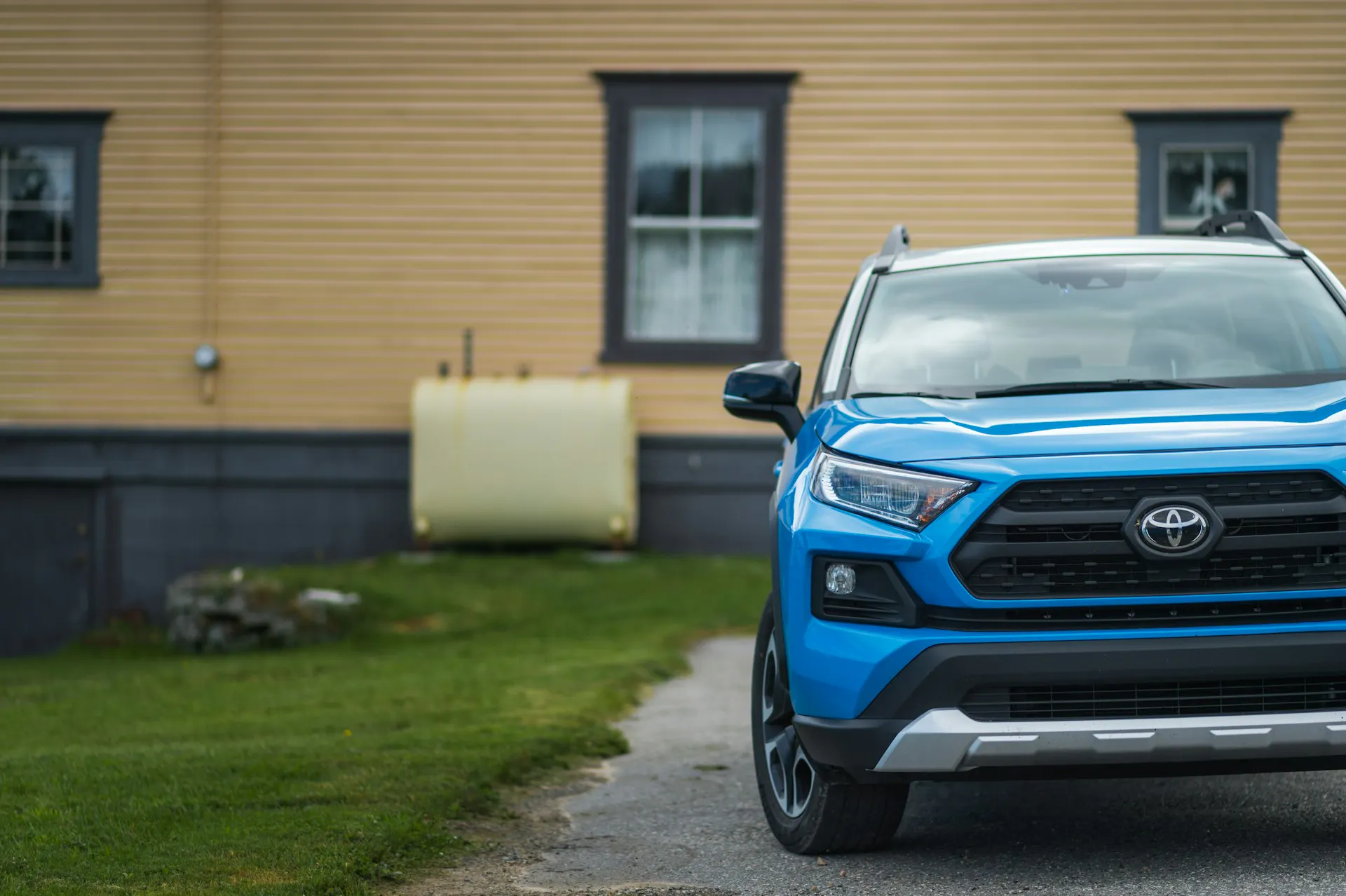
Toyota Brake Fluid Flush in Long Island: When to Service It
Protect Your Stopping Power Before Summer Road Trips
Safe brakes matter every day, but they matter even more when you are loading up the car for beach runs, parkway traffic, and sudden showers on Long Island. Your Toyota’s ability to slow down quickly and smoothly can be the difference between a calm stop and a scary close call. That is why paying attention to your brake fluid, not just your brake pads, is so important.
Brake fluid is the liquid that carries your foot’s pressure from the pedal to the brake parts at each wheel. A brake fluid flush is different from simply changing pads, because it focuses on the fluid inside the system, not just the parts that touch the rotor. In this guide, we will explain how brake fluid works, signs it may be time for a flush, what happens during Toyota brake service in Long Island, and why a certified dealership can give you extra peace of mind before your next drive.
How Brake Fluid Keeps Your Toyota Safe
Your Toyota uses a hydraulic brake system. That sounds technical, but the idea is simple. When you press the brake pedal, you push a piston in the master cylinder. That piston pressurizes the brake fluid, the fluid carries that pressure through the brake lines, and the calipers at each wheel squeeze the brake pads against the rotors. The result is friction, and that friction slows your vehicle.
Brake fluid has a key job: it must stay stable under heat and pressure. Over time, brake fluid absorbs moisture from the air. This is called being hygroscopic. When water mixes into the fluid, it lowers the temperature at which the fluid boils. Under hard braking, such as:
- Stop-and-go traffic on the parkways
- Quick stops at red lights and crosswalks
- Long downhill grades or repeated braking
the system can get hot. If the fluid boils, tiny bubbles form. Air can be compressed, fluid cannot, so those bubbles make the pedal feel soft or spongy. That soft pedal can mean longer stopping distances and less control.
Old or contaminated brake fluid can also cause other problems, such as:
- Internal corrosion in metal brake lines
- Damage to ABS valves and pumps
- Wear inside the master cylinder and calipers
Keeping the fluid fresh helps protect these parts so they can keep working the way Toyota designed them.
Signs Your Toyota Needs a Brake Fluid Flush
Brake fluid does not last forever, but it does not wear out in the same obvious way as pads or tires. You usually will not hear a squeal or see a warning on your dash just for low quality fluid. Instead, you might notice changes in how your brakes feel.
Common warning signs that it might be time for a brake fluid flush include:
- Brake pedal feels soft, spongy, or mushy
- Pedal sinks lower than usual before the car slows
- You notice longer stopping distances
- ABS or brake warning lights turn on
- Brake fluid in the reservoir looks dark, brown, or dirty
Toyota maintenance guidelines often suggest brake inspections at regular mileage or time intervals. The exact timing can depend on your model and driving habits. On Long Island, a few local factors can speed up fluid wear, such as:
- Stop-and-go traffic on the Southern State, Sunrise Highway, and nearby roads
- Salt exposure left from winter roads
- Humid coastal air that adds moisture into the system
Because of this, it is smart to have a professional check your brake fluid as part of regular Toyota brake service in Long Island. Driver awareness also matters. If anything feels different when you brake, it is better to have it inspected soon instead of waiting until the symptoms are severe.
What Happens During a Professional Brake Fluid Flush
A proper brake fluid flush is more than just topping off the reservoir. At a professional service center, the visit typically starts with a full brake inspection. A trained technician will:
- Check brake pads and shoes for thickness
- Inspect rotors and drums for wear or scoring
- Look over brake lines and hoses for leaks or damage
- Test the quality and moisture level of the fluid
If a flush is needed, the old fluid is removed from the system and replaced with fresh fluid that meets Toyota specifications. The technician then bleeds the brakes at each wheel to remove air pockets and to be sure the new fluid flows clean and clear. This step is important for a firm, consistent pedal.
There is a big difference between a quick top off and a complete flush:
- A top off only adds clean fluid on top of the old, which does not remove moisture or debris trapped in the system.
- A full flush exchanges most of the old fluid, which helps restore proper boiling point and protects internal parts.
A typical brake fluid flush usually fits into a regular service visit, often along with other maintenance. While your vehicle is in the shop, you can relax in the waiting area, catch up on work, or simply take a break. After the service, you should expect a clear explanation of what was done and what the technician found, along with any notes for future maintenance.
Why Choose Atlantic Toyota for Brake Service on Long Island
When it comes to your brakes, having the right people and the right parts matters. At a factory-authorized Toyota dealership, your brake system is cared for by technicians who work with Toyota vehicles every day. They have training that helps them understand how your specific model is built and how its braking and ABS systems are designed to work together.
Some key benefits of getting Toyota brake service in Long Island from a dealer include:
- Use of Toyota-approved brake fluid and parts that match your model
- Access to the latest service information and procedures
- Consistent maintenance records kept with your vehicle file
Keeping a documented service history can also be helpful for warranty coverage and can support resale value when you are ready for a new ride. Buyers often feel better about a vehicle that shows regular, professional brake care.
On top of that, a dealer service department can make the process easier. Many drivers like having:
- Online tools to plan service around their schedule
- Service specials that may include brake related maintenance
- Multi-point inspections during visits to catch other issues early
For drivers across Suffolk and Nassau counties, having one trusted place for brake inspections, fluid flushes, and other maintenance can keep things simple and stress-free.
Plan Your Brake Service Before Summer Drives
As days get warmer and roads get busier, it pays to think ahead about your brakes. Planning a brake inspection and possible fluid flush before peak summer weekends can help you avoid last-minute stress and long wait times. It also means you are not heading out with a brake pedal that feels soft or uncertain.
A few easy steps you can take on your next drive include:
- Pay attention to how the brake pedal feels under your foot
- Notice if the car takes longer to stop than it used to
- Look at the brake fluid in the reservoir, if you are comfortable, and note if it looks dark
Then compare what you notice with the maintenance schedule in your owner’s manual. If it has been a while since your last brake service, or if anything feels off, it may be time to plan a visit with the service team at Atlantic Toyota in West Islip. Fresh brake fluid, a solid pedal, and a well-maintained system can help give you smoother stops, shorter braking distances, and safer trips for you and your passengers all across Long Island.
Keep Your Brakes Ready For Every Long Island Drive
Schedule your next Toyota brake service in Long Island with Atlantic Toyota so we can inspect, repair, or replace key components before they affect your stopping power. Our factory-trained technicians use genuine Toyota parts to help your vehicle perform the way it was designed. If you have questions or prefer to book by phone or email, simply contact us and we will help you set up a convenient service time.