



Dealership blog
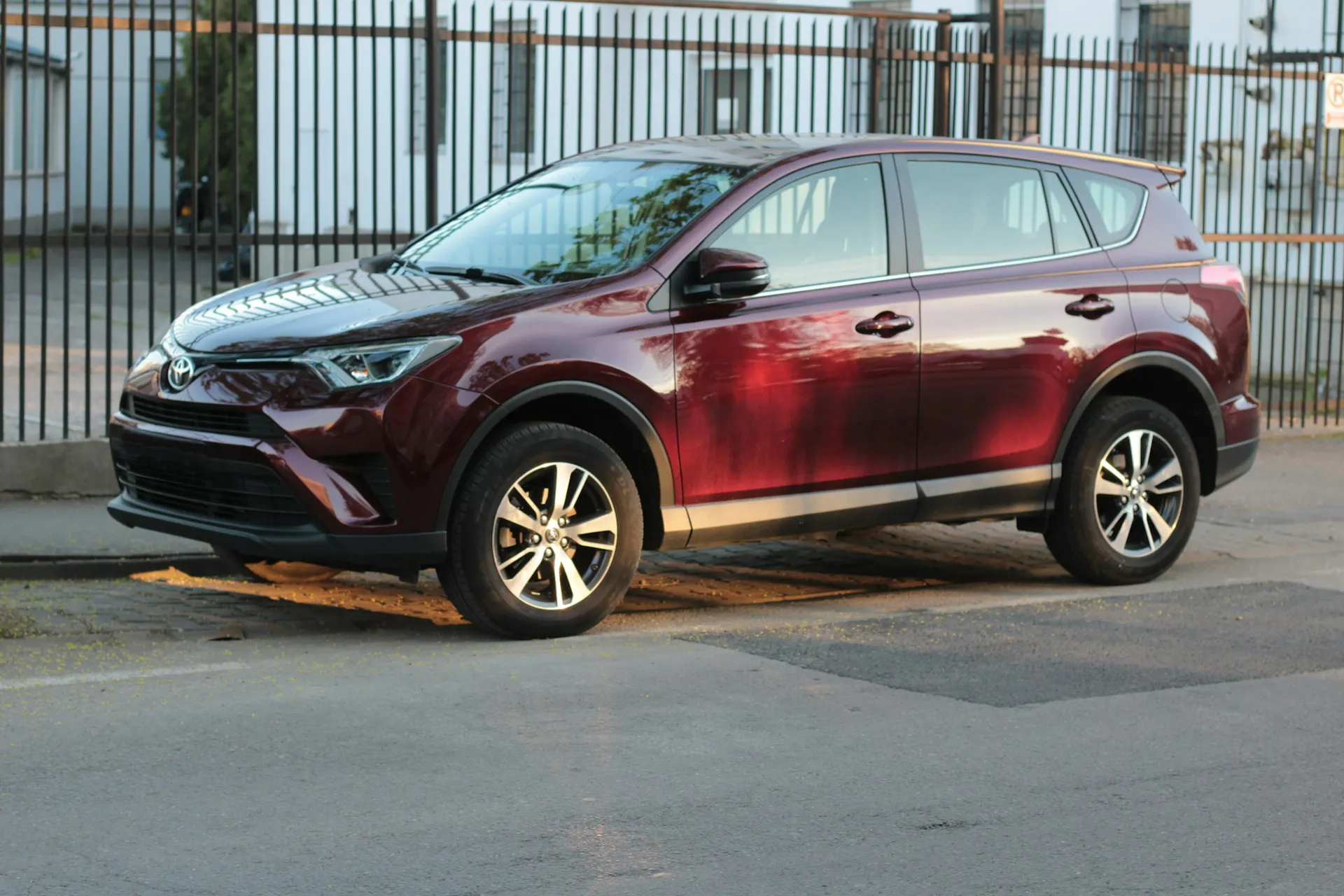
Toyota Lease vs. Financing in Long Island for Summer Road Trips
Hit the Long Island Highways Your Way This Summer
Choosing between leasing and financing matters a lot when you are planning summer drives around Long Island. Beach days at Jones Beach, evenings in Fire Island, and long weekends to Montauk can quickly add up in miles, gas stops, and memories. The way you pay for your Toyota can shape how relaxed you feel every time you pull out of the driveway.
We want to help you understand how leasing compares to financing when you are thinking about warm-weather trips. We will walk through mileage limits, what counts as wear and tear, how end-of-lease choices work, and how different payment paths fit different driving habits across Nassau and Suffolk counties.
How Much You Plan to Drive This Summer Matters
Mileage is one of the biggest differences between leasing and financing. Most leases come with a set yearly mileage limit, often somewhere in a common range like 10,000 to 15,000 miles. That might sound like a lot, but summer road trips can eat up miles faster than many drivers expect.
A few longer drives can add up quickly, such as:
- Weekly beach runs around Long Island
- Regular drives between Nassau and Suffolk for work and family
- Weekend trips off the Island for hiking or city visits
If you go over the miles in your lease, you usually pay a per-mile charge at the end. The rate is written in your lease agreement. Some drivers choose to buy extra miles upfront if they know they will drive more. This can sometimes cost less than paying overage charges later, but you have to think carefully about how much you really plan to drive.
Financing a Toyota with a traditional auto loan does not come with mileage limits. That can be a better fit if you:
- Have a long daily commute
- Take frequent road trips, including off Long Island
- Share the vehicle with family members who also drive often
Leasing often makes sense for drivers who keep most of their trips local, with shorter commutes and fewer long weekends away. If you know you will rack up miles every summer, financing can give you more freedom without worrying about a mileage meter in the back of your mind.
Lease Versus Finance Costs for Long Island Budgets
Monthly payments are another key part of the lease-vs-finance choice. Lease payments are usually lower than finance payments for the same model. This can help Long Island families work a new Toyota into their monthly budget while still having money left for tolls, beach passes, and summer treats.
When you compare lease and finance options, think about:
- Down payment or upfront costs
- Length of the term
- Sales tax rules in New York
- Fees at the start and end of a lease
With a lease, you are mainly paying for the portion of the vehicle you use during the lease term. With financing, your payments are building ownership over time. If you like driving a newer vehicle every few years, a lease can be appealing. You get to enjoy the latest features more often, and lower payments can free up cash for other needs.
If you plan to keep your vehicle for a long time and drive it well past the last payment, financing may make more sense. Once the loan is paid off, you can keep the vehicle for years without a monthly payment, which can be helpful for long-term budgeting. Lease offers that show up around warmer months can be attractive for drivers who want a fresh Toyota for summer, while financing can help you build long-term value if you see this as your main family vehicle for many seasons.
Wear-and-Tear Realities of Summer Road Trips
Summer driving around Long Island is fun, but it can be tough on a vehicle. Sand in the interior, salt in the air near the ocean, and tight parking at busy beaches or shopping areas all leave marks over time. How those marks are treated depends on whether you lease or finance.
With a lease, the lender expects normal wear and tear. This usually covers things like:
- Light interior scuffs
- Small chips from regular driving
- Reasonable tire wear over the lease term
Damage that goes beyond normal use can bring extra charges at the end of the lease. That might include large dents, deep scratches, badly stained seats, or parts that need major repair. Before the lease ends, there is usually an inspection to check the condition of the vehicle. You can often reduce surprise charges by taking care of small repairs before that inspection.
A few simple habits help keep a leased Toyota in good shape:
- Wash the exterior regularly, especially after beach days
- Vacuum sand and dirt from the interior
- Wipe spills and spots quickly
- Take care of minor chips or dings early
When you finance and own your Toyota, you have more freedom with small dings and cosmetic issues. A minor scratch from a crowded summer parking lot is your choice to fix or ignore. You can also customize your vehicle more freely with accessories or upgrades. Of course, you are fully responsible for all long-term maintenance and repairs, so caring for your vehicle still matters if you want it to stay reliable and hold good value.
End-of-Lease Choices After Your Summer Adventures
At the end of a lease, you have decisions to make. This is where many drivers think back on how they used the vehicle over the last few summers. Did the mileage limit work for your lifestyle? Did the size and features fit your family trips? Your answers will help guide your next move.
Common end-of-lease options include:
- Returning the vehicle and walking away, subject to any fees
- Starting a new lease on a different Toyota
- Buying your current leased vehicle for the agreed residual value
Buying out your lease can be a smart choice if you kept the mileage low, took good care of the vehicle, or simply enjoy how it drives. If your Toyota still fits your needs for beach trips, carpools, and daily errands, turning it into a financed vehicle can feel natural.
If you are ready for something new, you might choose to lease or finance a different Toyota. Drivers who want newer features, more space, or better fuel economy sometimes switch to another model at the end of their lease term. A careful review of your lease terms, expected fees, and your future driving plans will help you decide what fits best before another summer season arrives.
Visit Atlantic Toyota Before Your Next Road Trip
The choice between leasing and financing comes down to how you live, drive, and travel around Long Island. If your summer plans mean lots of highway miles, frequent trips off the Island, or shared driving with family, a financed Toyota might match your habits better. If you prefer lower payments and like the idea of driving a newer vehicle every few years, a lease might be the better fit, as long as your mileage stays within limits.
At Atlantic Toyota in West Islip, we help drivers compare Toyota lease offers in Long Island with financing paths that suit different budgets and driving styles. By thinking through your mileage needs, how long you want to keep your vehicle, and how you treat your ride on those sunny beach days, you can choose a plan that keeps you feeling confident every time you head out for your next road trip.
Lock In a Flexible Toyota Lease That Fits Your Budget Today
Explore our current Toyota lease offers in Long Island to find a payment and term that match your driving needs and your budget. At Atlantic Toyota, we take the time to walk you through available models, mileage options, and specials so you can make a confident choice. If you have questions or want to schedule a visit, simply contact us and we will help you get started on your next lease.